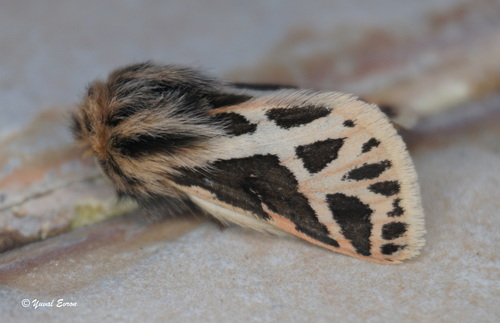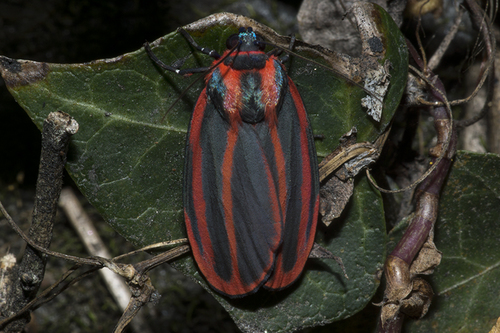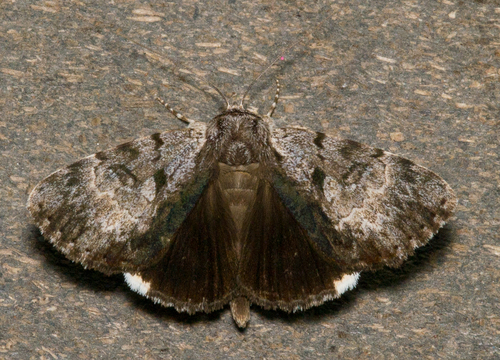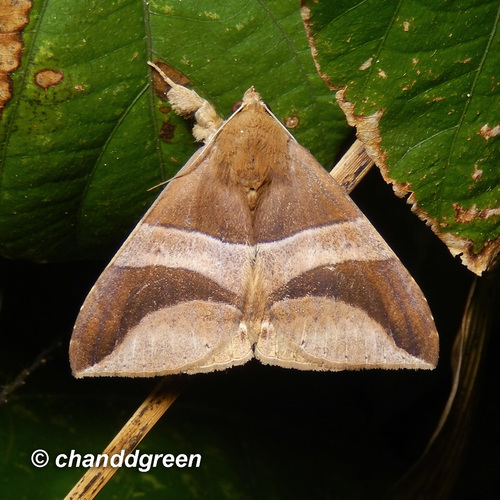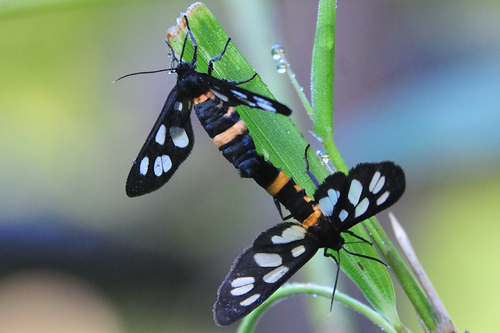
Amata fortunei De L'Orza, 1869 is a animal in the Erebidae family, order Lepidoptera, kingdom Animalia. Not known to be toxic.

Photo of Amata fortunei De L'Orza, 1869 (Amata fortunei De L'Orza, 1869)
đŸ¦‹ Animalia

Amata fortunei De L'Orza, 1869

Amata fortunei De L'Orza, 1869

Amata fortunei, the white-spotted moth, is a day-flying Erebidae moth found in Japan, South Korea, and Taiwan.

Family
Genus
Amata
Order
Lepidoptera
Class
Insecta

About Amata fortunei De L'Orza, 1869

Amata fortunei, commonly called the white-spotted moth, is a moth species belonging to the family Erebidae. This species was first formally described by De L'Orza in 1869. It is distributed in Japan, South Korea, and Taiwan. The wingspan of adult moths ranges from 30 to 37 millimeters. This is a day-flying moth species. There are two generations per year, with adult moths active on the wing from early June to mid July, and again from mid August to mid September. The larvae of Amata fortunei feed on the leaves of Trifolium repens, Taraxacum species, Equisetum arvense, and Typha angustifolia. These larvae consume both living plant tissue and dead leaves.

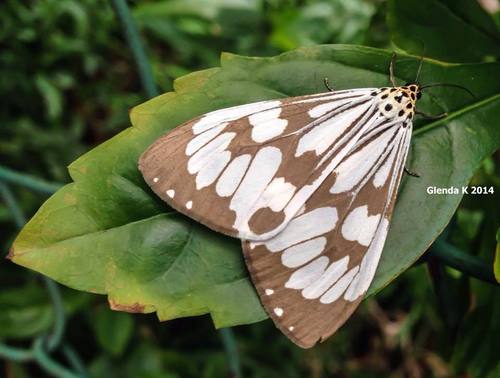
Photo: no rights reserved, uploaded by Kosuke Onoda · cc0

Taxonomy

Animalia › Arthropoda › Insecta › Lepidoptera › Erebidae › Amata

More from Erebidae

Sources: GBIF, iNaturalist, Wikipedia, NCBI Taxonomy · Disclaimer

Identify Amata fortunei De L'Orza, 1869 instantly — even offline

iNature uses on-device AI to identify plants, animals, fungi and more. No internet needed.

Download iNature — Free

Start Exploring Nature Today

Download iNature for free. 10 identifications on us. No account needed. No credit card required.

Download Free on App Store