About Amaranthus tuberculatus (Moq.) J.D.Sauer
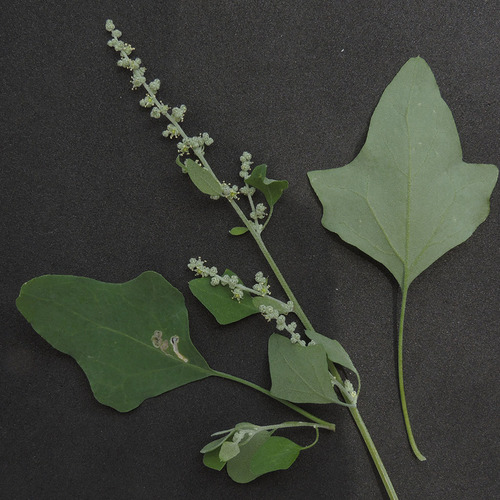
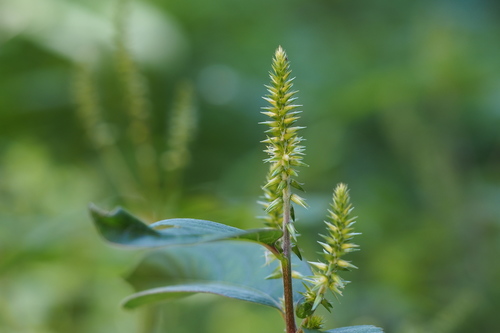
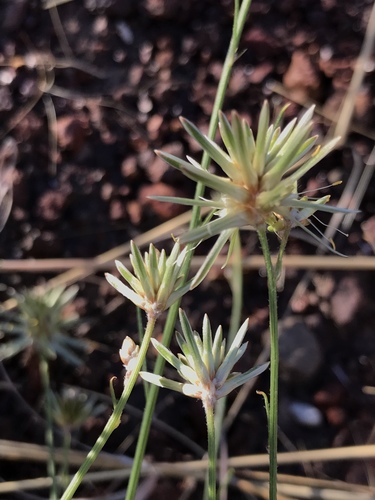
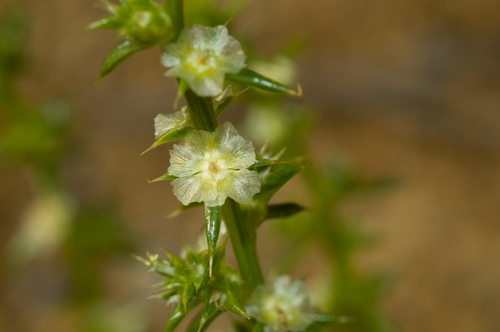
Amaranthus tuberculatus, commonly known as tall waterhemp, can be distinguished from other similar species in the genus Amaranthus by the complete lack of hair on its stems and leaves. This hairless trait gives the plant’s leaves a bright, glossy appearance. Its stem is typically erect and slender, reaching up to three feet in length, and may be either green or red in color. Tall waterhemp is a dioecious species, meaning individual plants are either male or female. Female plants have numerous, short, smooth seedhead branches, while male plants have fewer, longer, more slender seedhead branches than female individuals. This species produces terminal spike inflorescences, with very short bracts and flowers that range from simple to highly branched. Its seeds are reddish to black in color and measure less than 1/32 of an inch in diameter. Tall waterhemp is native to North America. It is thought to originally have occurred in a range extending from north of Missouri and Tennessee up to the Great Lakes. Today, it can be found in 40 U.S. states, and it is most common in the Great Plains and Great Lakes regions. Tall waterhemp grows predominantly in wet habitats, including ponds, marshes, lakes, creeks, and other riparian zones. It is also able to grow in a variety of other sites, including roadsides, railroads, and agricultural fields.