About Alnus formosana (Burkill) Makino
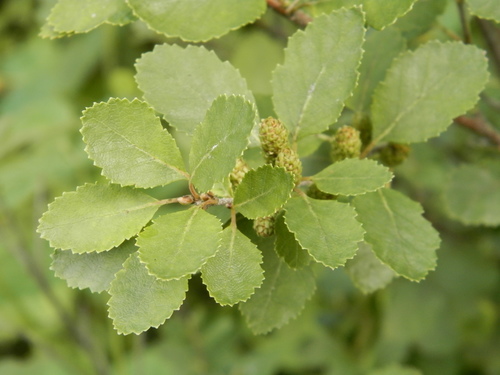
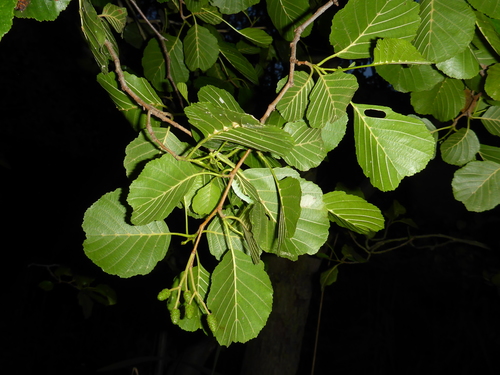
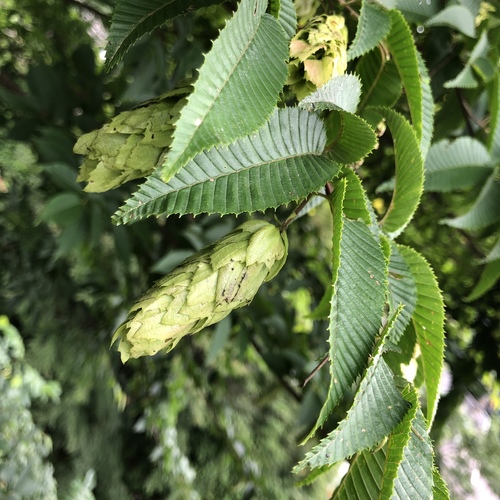
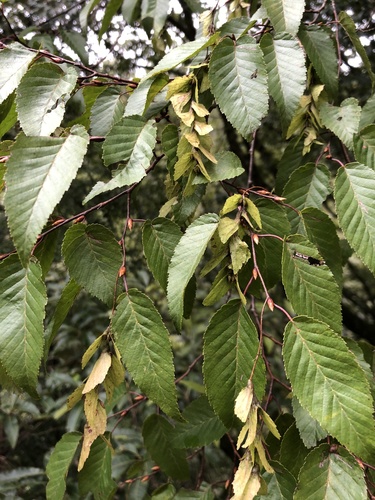
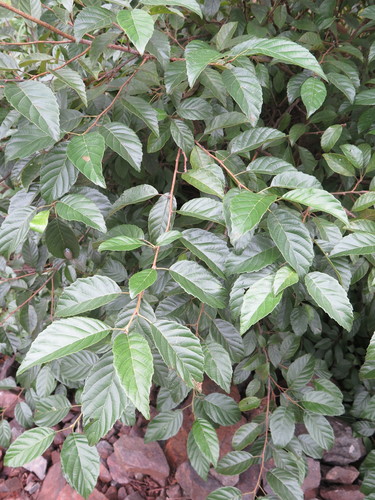
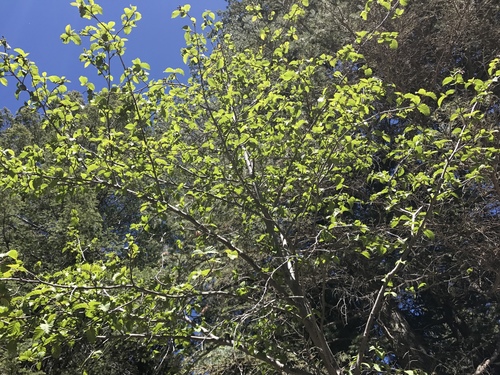
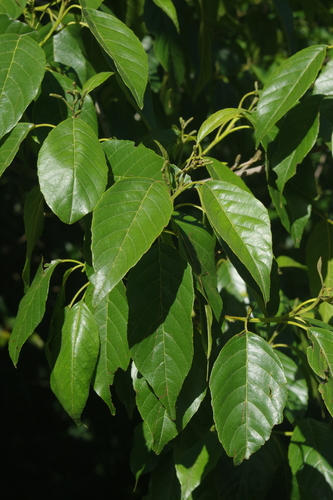
Alnus formosana, commonly known as Formosan alder, is a tree that reaches up to 20 meters in height, with dark gray-brown bark. Its slender petioles measure 1.2 to 2.2 centimeters long. Leaves are elliptic or oblong-lanceolate, rarely ovate-oblong, 6 to 12 centimeters long and 2 to 5 centimeters wide. Leaf surfaces are almost hairless on the upper side, while hairs grow in the axils of lateral veins on the underside. Leaves have rounded or broadly cuneate bases, irregularly finely serrated margins, and acuminate or acute apexes; there are 6 or 7 lateral veins on each side of the midrib. Female inflorescences grow singly or in clusters of 2 to 4, are ellipsoid in shape, and measure 1 to 2.5 centimeters long, with peduncles 3 to 5 millimeters long. This species is endemic to Taiwan, where it is common. It grows on riverbanks from near sea level up to 2,900 meters (9,500 feet), and is often found in disturbed habitats as a pioneer species. Alnus formosana flowers from May to June, and produces fruit from July to September. This tree is used for soil improvement, grown in gardens, and used as a windbreak. Its trunks are used for paper pulping, and as a growing substrate for snow fungus and shiitake. The Atayal people use Alnus formosana as a cover crop after clearing a new field, following traditional knowledge that the soil will become fertile when the field is cut and cleared again after 10 to 15 years. It is also used in the Pas-ta'ai ritual of the Saisiyat people. Early Han settlers in Taiwan named some locations after this plant, based on the belief that its presence indicates an increased risk of ground collapse.