About Allium canadense L.
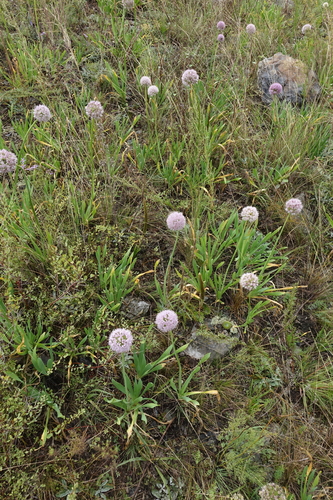
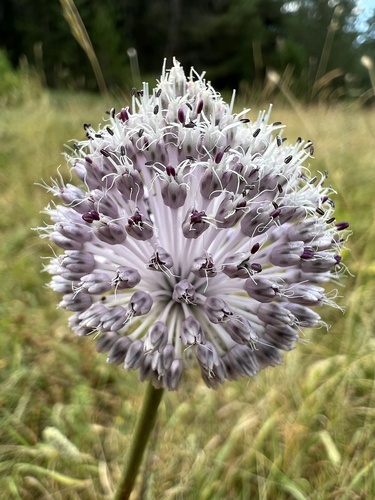
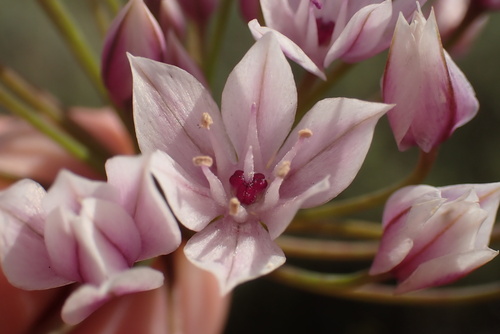
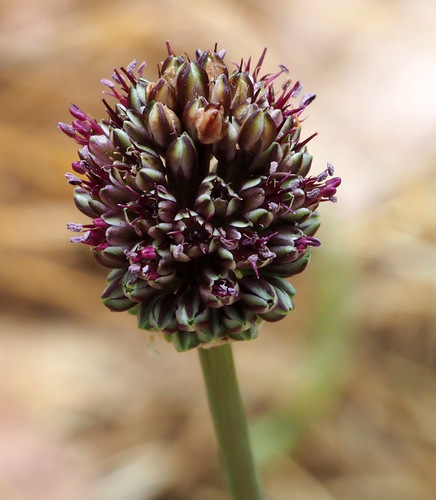
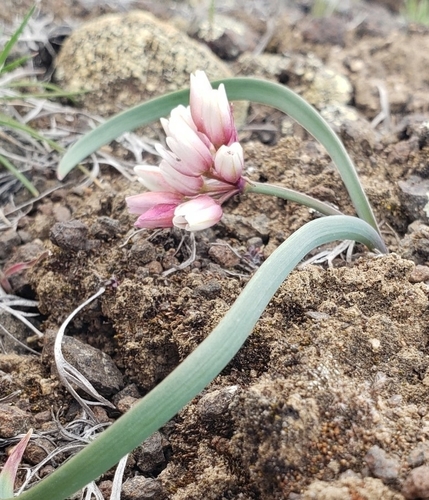
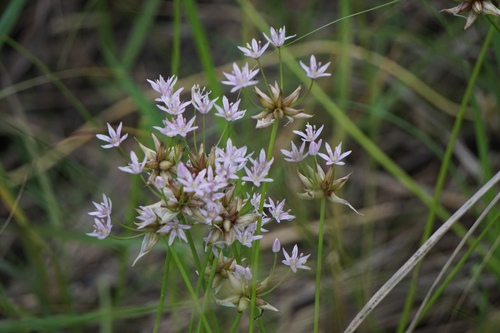
Allium canadense L., commonly called Canada onion, produces an edible bulb covered in a dense layer of brown fibrous skin. The whole plant has a strong onion odor and flavor. A similar species, crow garlic (Allium vineale), has a strong garlic taste instead. Narrow, grass-like leaves grow from the base of the stem, which is topped by a dome-shaped cluster of star-shaped pink or white flowers. These flower clusters may be partially or fully replaced by small bulblets. When flowers are produced, they are hermaphroditic, meaning they contain both male and female reproductive organs, and are pollinated by native American bees (not honeybees) and other insects. It usually flowers in spring and early summer, between May and June. Canada onion is grown as a vegetable in home gardens in Cuba, found scattered in local areas across the southern to western parts of the island. Historically, Native American people and European settlers collected wild Canada onion to eat. Members of the Cherokee Nation and Chickasaw Nation still maintain the tradition of harvesting and cooking wild Canada onion in early spring. Different Native American tribes have used the plant for additional purposes, including rubbing the plant on the body to protect against bites from insects, lizards, scorpions, and tarantulas. The entire plant can be eaten raw after removing the tougher outer layers, and it can also be cooked and used in any recipe that calls for onions. There have been documented cases of poisoning when deathcamas bulbs are misidentified as wild Canada onion bulbs. Long-term consumption of wild onion bulbs can reduce iodine uptake by the thyroid gland, which can worsen iodine deficiency in people who follow a diet low in iodine. Horses are susceptible to developing hemolytic anemia after eating wild Canada onion leaves.