About Albizia amara (Roxb.) Boivin
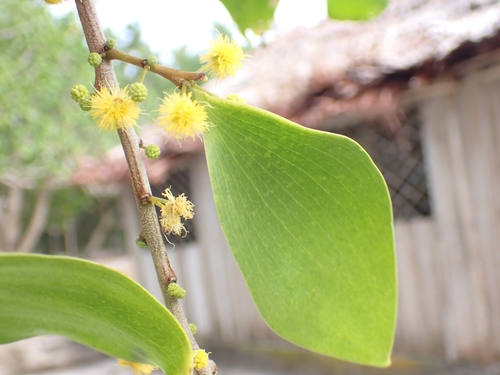
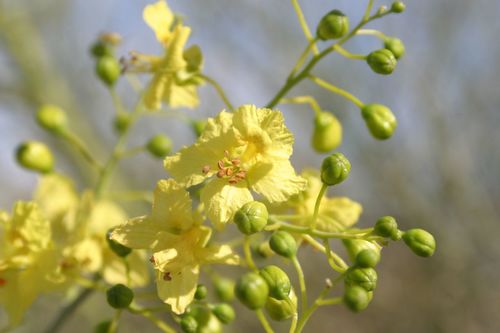
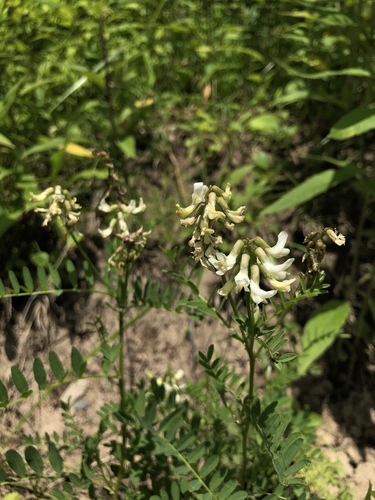
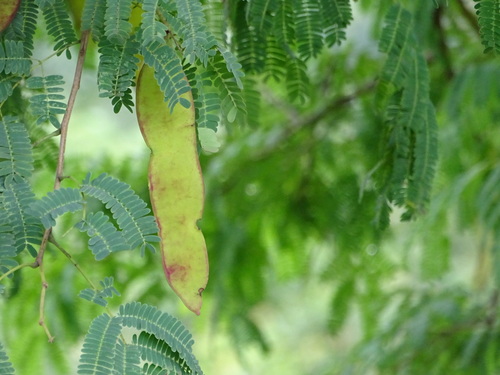
Albizia amara (Roxb.) Boivin is a mid-sized deciduous tree that resembles acacia but has no thorns. Its bark is grey, grainy, and scaly. Its leaves have up to 15 pairs of side stalks, with tiny leaflets that number between 15 and 35 pairs. The flowers are whitish-yellow powder-puff shaped, with long stamens and golden pollen. The pods are flat and reach around 20 cm in length. This tree loses most of its leaves between February and March, and regrows new leaves in April. It flowers throughout May, and its fruits ripen during October and November. It acts as a host plant for the species Achaea janata. In terms of ecology, Albizia amara is intolerant of shade and resistant to drought. In Africa, it grows mainly in sandy woodlands. It is one of the two dominant canopy tree species, alongside Hardwickia binata, in the Central Deccan Plateau Dry Deciduous Forests ecoregion of India. It can also be found in the Anamalai, Palani, and Cardamom hills of the Western Ghats, as well as the Godavari area and the Javadi Hills of the Eastern Ghats in South India. For medicinal uses, the leaves and flowers are used to treat boils and ulcers. The leaves are also used to treat erysipelas. A paste made from its leaves and rootbark is used to cure skin diseases and poisonous bites. Its seeds are considered astringent, and are used to treat piles, diarrhea, and gonorrhea. Its flowers are used as a remedy for cough, ulcers, dandruff, and malaria. Pharmaceutical compounds extracted from its seeds and leaves have potential broad-spectrum anticancer activity. Its wood is used for construction, furniture making, and as firewood. Albizia amara provides multiple environmental services, including soil erosion control, use as a wind break, and providing shade. It is also grown as an ornamental tree in urban areas. Its leaves can be used as feed for ruminants. During colonial times in India, its plentiful wood was extensively used as fuel for railways.