About Akebia trifoliata (Thunb.) Koidz.
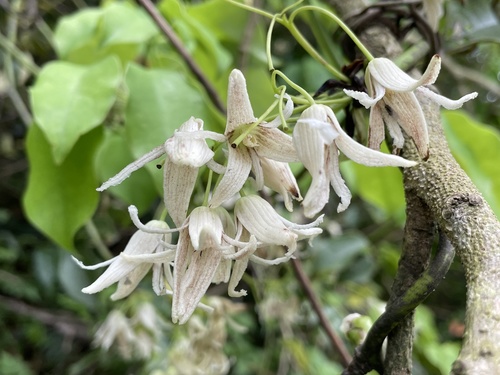
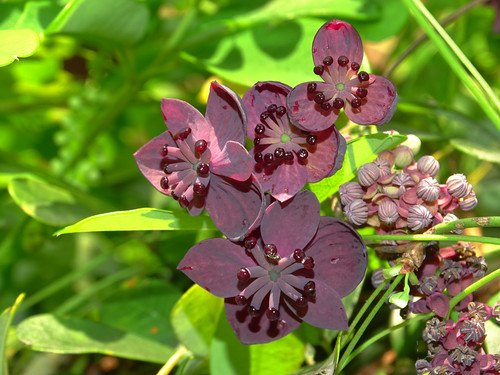
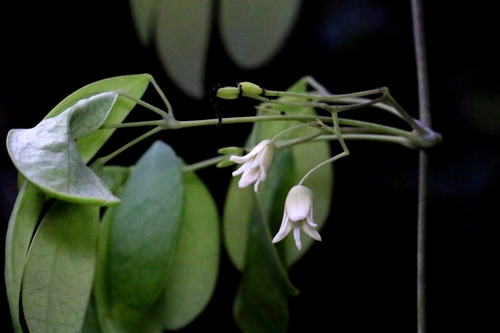
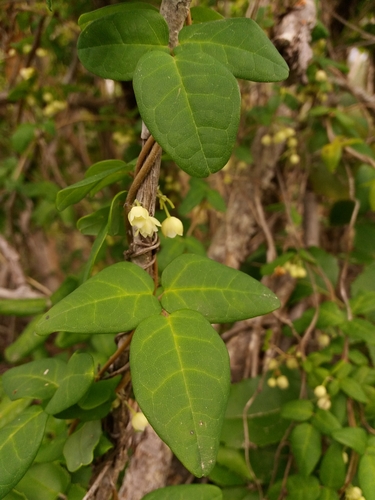
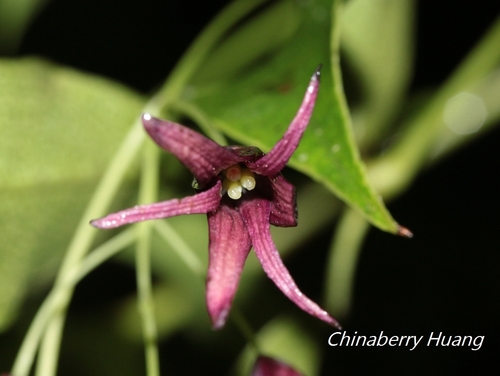
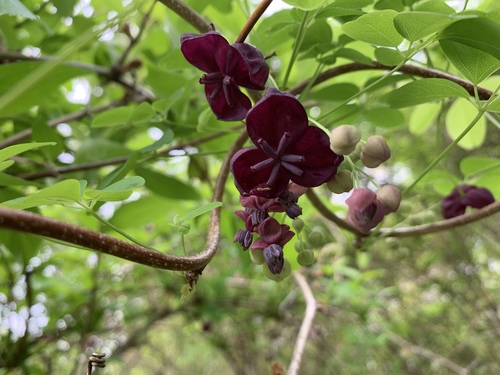
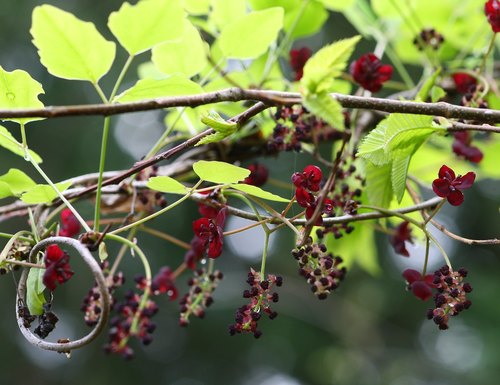
Akebia trifoliata (Thunb.) Koidz. is a climbing vine with leaves made up of three ovate, slightly lobed leaflets that are often bronze-tinted when young. It can grow up to 9.1 m (30 ft) in length. In cold climates, this vine loses its leaves, but its twining woody branches remain attractive even when bare. It produces deep purple flowers arranged in short racemes, which are followed by light purple fruits. Like Akebia quinata, Akebia trifoliata grows in USDA hardiness zones 5a through 9b, which cover minimum temperatures from −20 °F (−28.9 °C) to 30 °F (−1.1 °C).
This plant is cultivated both for its ornamental value and for its edible oblong purplish fruits. The fruit has a mild, quite sweet flavor reminiscent of coconut or tapioca, and develops a mild melon flavor when fully ripe.
In traditional Chinese medicine, Akebia trifoliata is used to support urinary tract infection treatment and to quicken blood flow. Studies have found that fruit extracts of this plant have diuretic effects that reduce water weight, as well as hepato-regenerative, neuroprotective, analgesic, anti-inflammatory, and anti-obesity effects. It has been shown to support weight loss and reduce fat deposition in vitro. While the rind is not edible, it contains a high concentration of anticancer antioxidants that can be extracted by preparing tea from the rind. An antibacterial pectin can also be produced from the waste products of Akebia trifoliata, which may increase the profitability of commercial cultivation of the plant.