About Agrotis exclamationis (Linnaeus, 1758)
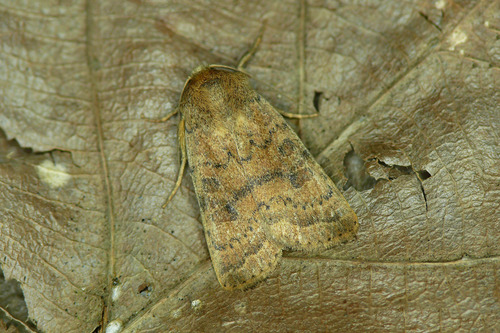
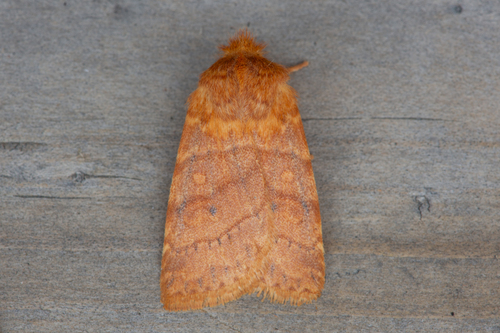
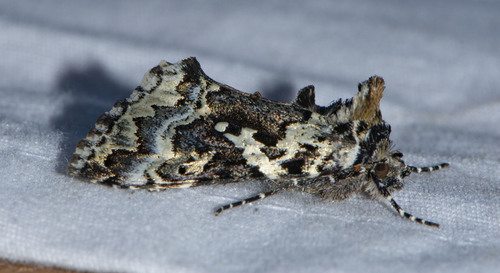
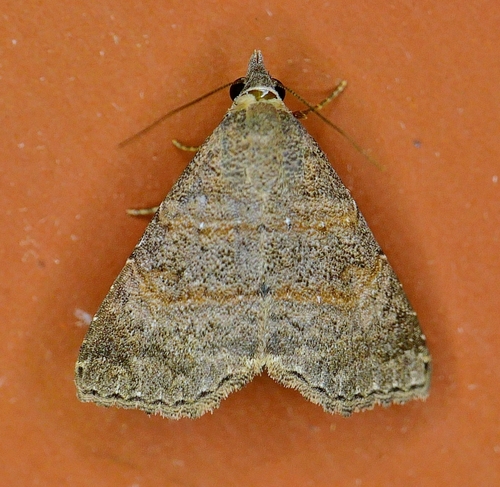
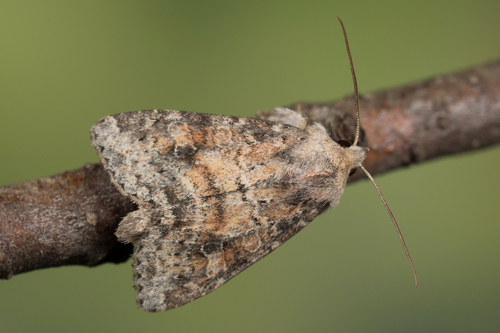
Commonly known as the heart and dart, Agrotis exclamationis is a moth species belonging to the Noctuidae family. Carl Linnaeus first described this species in the 10th edition of Systema Naturae, published in 1758. This moth is widely familiar, and is counted among the most common moth species in the European region. It is distributed across the entire Palearctic realm, ranging from Ireland all the way to Japan. This is a fairly variable species, with forewings that range in color from pale to dark brown. It can always be recognized by its distinctively shaped dark stigmata, which give the species its common name. Its wingspan measures 35 to 44 mm. The species' hindwings are whitish; compared to other common Agrotis species, its hindwings are typically paler than those of the heart and club, but darker than those of the turnip moth. This species usually has a dark area at the front of the thorax, which appears as a horizontal bar when the moth is viewed head-on. These distinguishing differences are not consistent, however: the species is highly variable in both color and markings, and identifying atypical or worn individuals may not be possible without examining their genitalia. For additional information, see Townsend et al. This moth is active at night from May to July; this recorded flight season refers specifically to the British Isles, and may differ across other parts of the species' range. It is attracted to light, and sometimes comes to light in large numbers. It also frequently visits nectar-rich flowers, including Buddleia, ragwort, and red valerian. The caterpillars of this species are grey-brown, paler on the ventral side, with a pale dorsal line and clearly visible black warts. The pupa is bright red, and two short curved thorns sit on its cremaster. The larvae feed on a wide variety of plants, including both wild and cultivated types. This species is one of the well-known cutworm moths, and its larvae often sever or fatally damage plants at their base. The species overwinters as a fully grown larva inside a chamber in the soil, and pupates the following spring.