About Agriopis leucophaearia (Denis & Schiffermüller), 1775
Agriopis leucophaearia, commonly known as the spring usher, is a moth species belonging to the family Geometridae. This species was first described by Michael Denis and Ignaz Schiffermüller in 1775, which matches its 1775 scientific publication citation under these authors.
It is a Palearctic species, with a distribution that includes Europe, Turkey, and multiple regions of the Russian Federation: Volga-Don, East Caucasus, the European Central Black Earth region, Central European Russia, the European southern taiga, Western Caucasus, Kaliningrad, and Mid-Volzhsky. It occurs mainly in oak forests, and in heathland containing low-growing oaks.
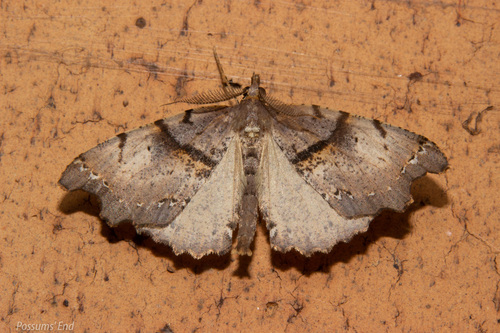
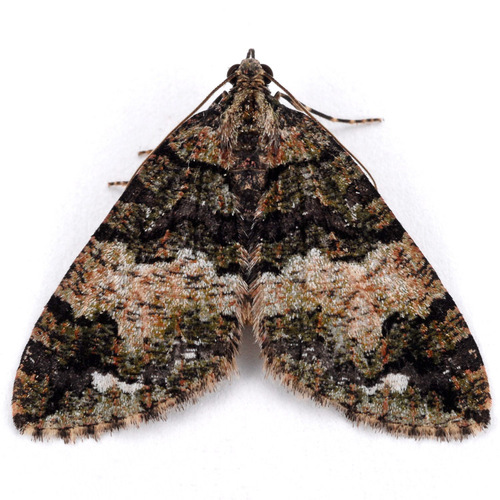
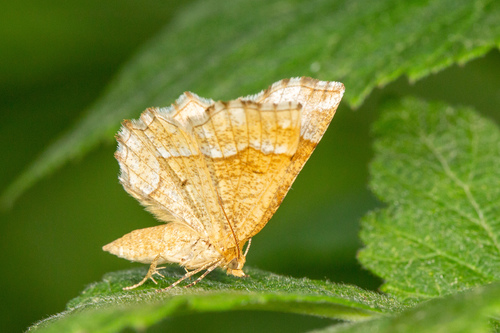
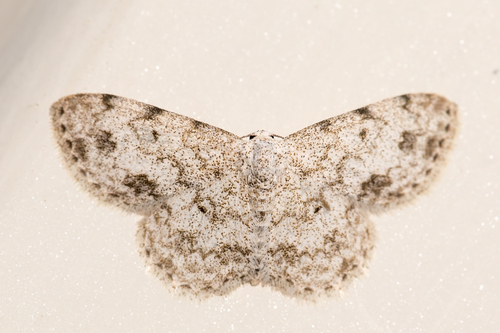
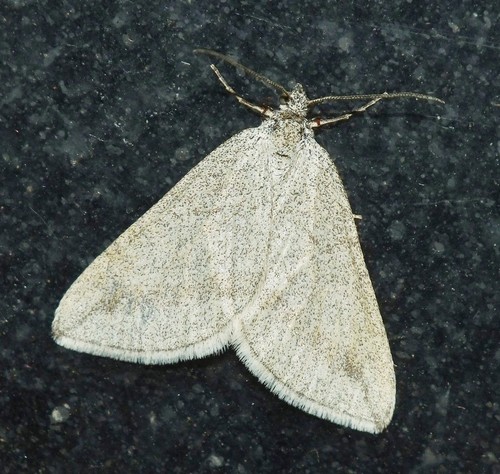
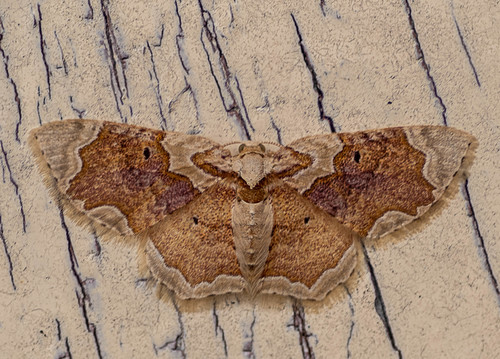
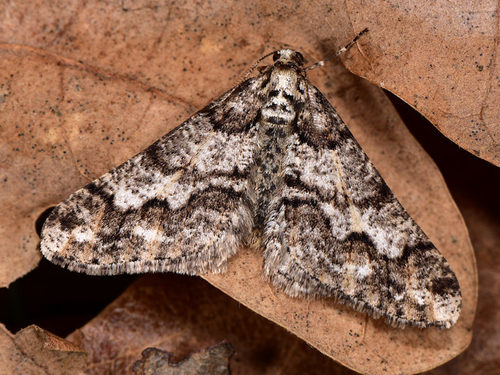
The ground colour of this moth's wings is typically whitish. Its forewings have red-brown shading at the base and tip, with discontinuous black lines linked to black-streaked areas. The underside of the hindwings is stippled with black. Some individuals have darker colouration, made up of brown and black markings, and there are formally named variants of the species. For more detailed taxonomic information, see the work of Prout (1912–16).
Females of this species are wingless. Males have a wingspan that ranges from 10 to 30 mm. The egg is long-oval in shape, pointed at one end, and is light grass-green. The larva is rather stout, green with yellow lines and brown dorsal blotches.