About Agrimonia gryposepala Wallr.
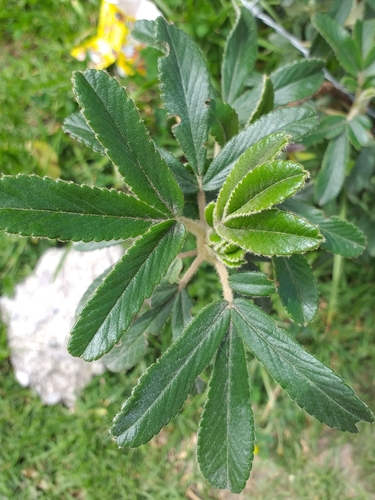
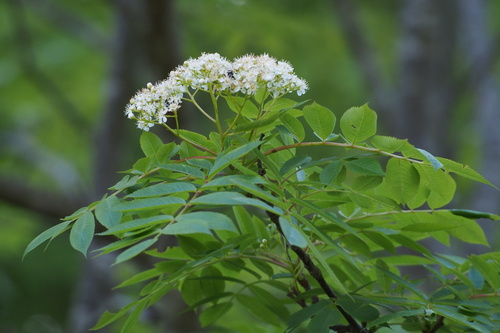
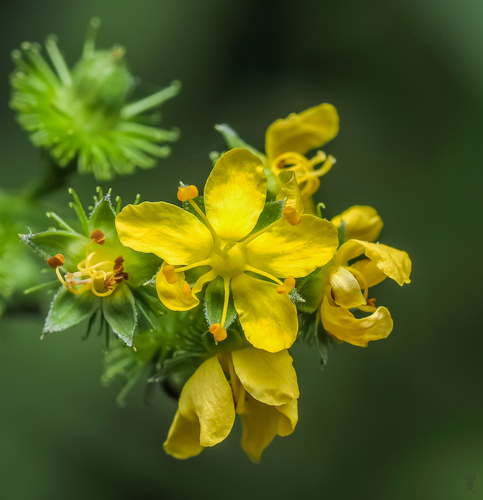
Agrimonia gryposepala Wallr. typically grows between 30 and 150 centimeters (1 to 5 feet) tall. It produces a cluster of small, yellow five-parted flowers on a hairy stalk, which sits above pinnate leaves. Its fruits are clustered dry hooked seeds. Crushing the plant's stem releases a spicy scent. Its native range covers most of the United States and Canada, excluding the Rocky Mountains, and extends south to Chiapas, Mexico. It grows in woodlands and forests. Across North America, various indigenous peoples have used this plant for medicinal purposes. Among the Iroquois people, a drink made from the plant's roots was used to treat diarrhea. The Cherokee also used the plant for diarrhea, in addition to reducing fever and treating a range of other health problems. The Ojibwe used the plant to treat urinary problems, while the Meskwaki and Prairie Potawatomi used it as a styptic to stop nosebleeds. These ethnobotanical uses of Agrimonia gryposepala share some similarities with the traditional medical uses of Agrimonia eupatoria, a species native to Europe, Asia, and Africa.