About Agastache foeniculum (Pursh) Kuntze
Growth Habit
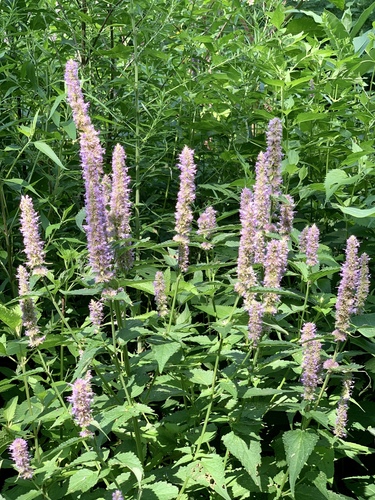
Agastache foeniculum (Pursh) Kuntze is a perennial plant that grows from a taproot, reaching 0.6–1.2 metres (2–4 feet) in height with an upright, clump-forming growth habit.
Leaf Morphology
Its leaves are oval with toothed edges and have a white tint on the underside.
Flowering Period
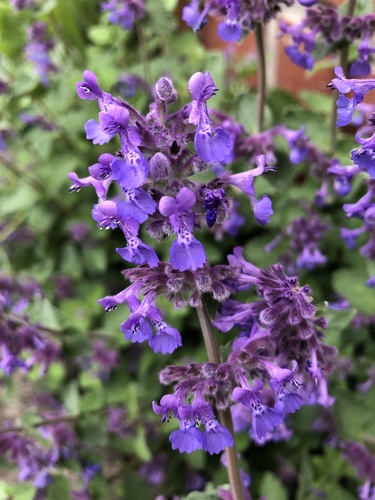
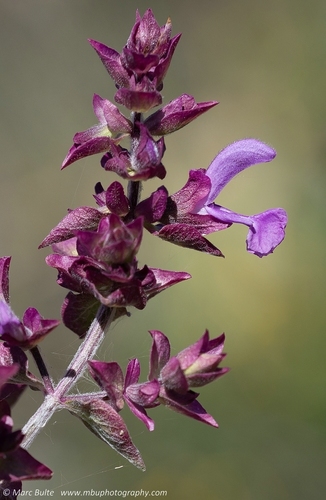
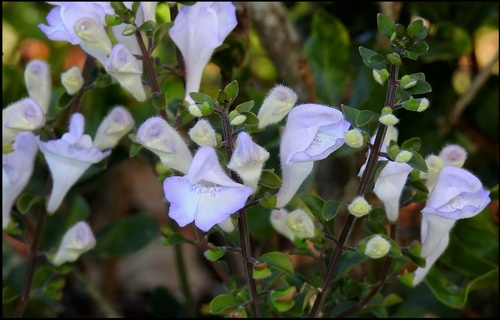
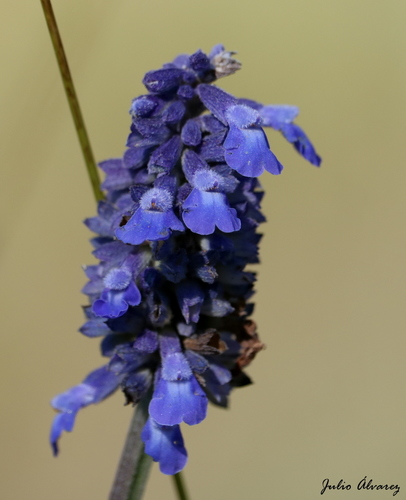
This plant blooms from June to September, producing bright lavender flowers that become more intensely colored near the tip.
Flower Production
A single plant can produce over 90,000 individual flowers, which grow in showy verticillasters (false whorls), with occasional branching at the apex.
Native Range
This species is native to most of north-central and northern North America, where it is most commonly found in the Great Plains and other prairie habitats.
Tolerance and Pollinator Attraction
It is tolerant of deer and drought, and attracts a wide range of pollinators including hummingbirds, butterflies, bumblebees, honey bees, carpenter bees, and night-flying moths.
Honey Production
Honey bees produce light, fragrant honey from the nectar of this plant, which is considered one of the best species for pollinator foraging.
Hive Support Capacity
The 1969 edition of Rodale's Encyclopedia of Organic Gardening notes that one acre of Agastache foeniculum can support 100 honey bee hives.
Extended Blooming Period
This plant has a very long blooming season, often flowering from June until frost, and bees can be observed visiting its flowers from morning to dusk throughout this period.
Pollinator Forage Value
Its abundant flowers provide reliable forage for bees, butterflies, and hummingbirds.
Traditional Medicinal Uses
Indigenous Cree, Cheyenne, and Ojibwa peoples used this plant medicinally to treat fevers, respiratory issues, and burns.
Leaf Scent and Culinary Uses
Its soft leaves carry a scent of anise, and are used as a seasoning, brewed into tea, added to potpourri, and can be crumbled into salads.