About Acronicta leporina (Linnaeus, 1758)
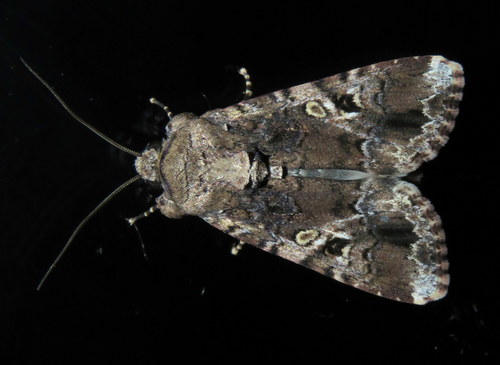
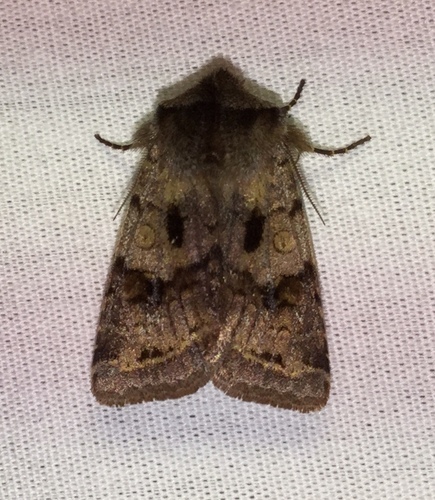
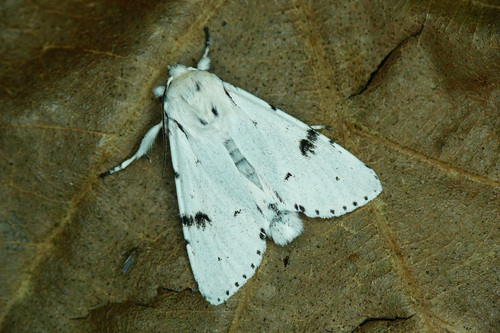
Acronicta leporina (Linnaeus, 1758) is a variable but always distinct moth species. Its forewings range in color from almost white to dark grey, with pale grey being the most common form, and they bear characteristic crescent-shaped black markings. The hindwings are white, and the species has a wingspan of 38–43 mm (1.5–1.69 inches). Adult Acronicta leporina fly at night from June to August. They will visit light sources and sugar bait, though they are not especially strongly attracted to these. This section covers technical description and known variations. The base form has white forewings, with wing lines marked by black spots. The larva is pale green or yellowish, covered in long silky white hairs (sometimes yellowish) that curl over the sides. The following named variations have been documented: ab. bradyporina Tr. (3a), found in Northern Europe and the most common form in Britain, has grey-dusted wings and more developed markings than the base form; ab. semivirga Tutt has a broad grey band along the outer margin of the forewing; leporella Stgr. (= cineracea Graes.) (3 a), restricted to Eastern Asia and Japan, has greyish-white forewings with indistinct markings; ab. rosea Tutt (= la rose Engr.) is reported to have a bright rose color on the forewings and the segmental incisions of the abdomen. Recorded food plants for this species are: Acer (Norway maple), Alnus (alder), Betula (birch), Corylus (hazel), Fagus (beech), Nicotiana (tobacco), Populus (poplar), Quercus (oak), Salix (willow), and Sorbus (whitebeam and its close relatives).