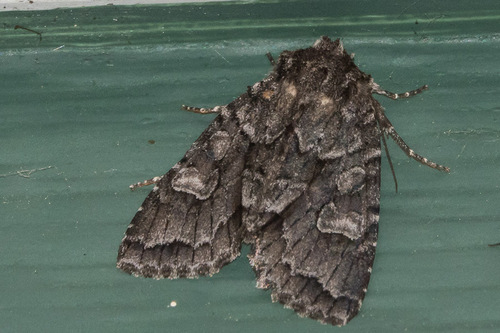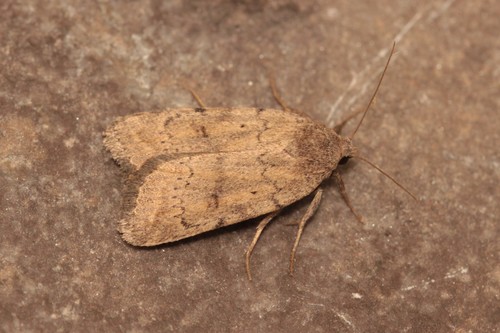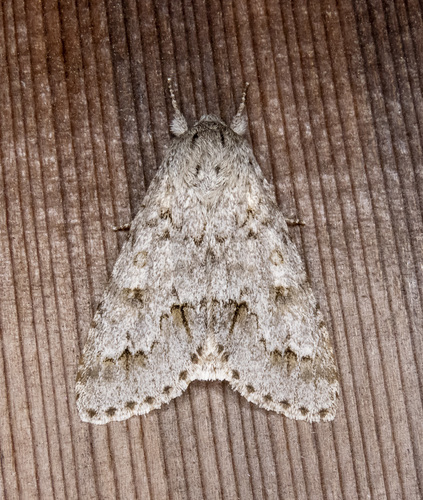
About Acronicta insita Walker, 1856
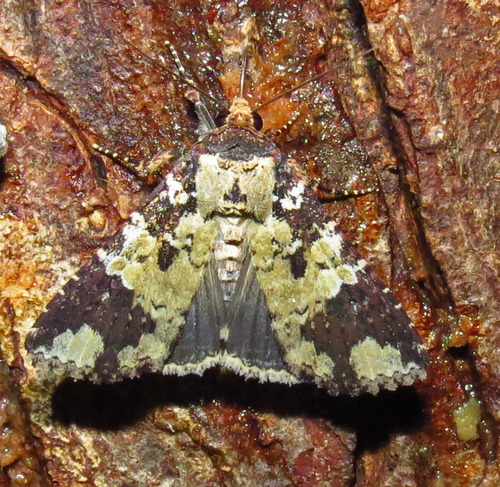
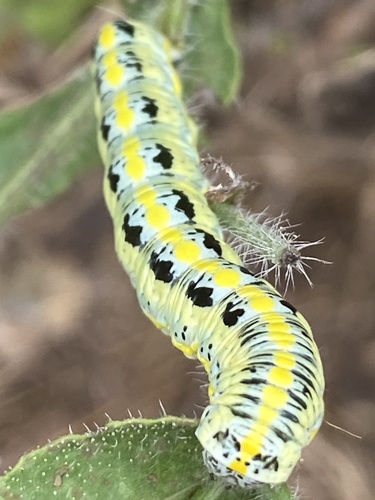
Acronicta insita, commonly known as the large gray dagger or fingered dagger, is a moth species belonging to the family Noctuidae. This species was originally described by Walker in 1856, and was later redescribed by Augustus Radcliffe Grote in 1874. It ranges across North America, found from Newfoundland westward to the Pacific coast, Vancouver Island, and Haida Gwaii, British Columbia, and south to North Carolina and Colorado. Two formerly recognized separate species, Acronicta hesperida and Acronicta dactylina, are now considered synonyms of Acronicta insita. The wingspan of adult Acronicta insita measures 45–55 mm. Depending on location, adults are active on wing from May to July in a single annual generation. The larvae of this moth feed on the leaves of alder, birch, poplar, hawthorn, and willow. Larvae have fine hollow hairs that contain toxin. Direct contact from handling the larvae, or indirect contact via contaminated clothing, can cause mild to severe rashes that last up to a week. Rashes may easily spread to other parts of the body when contaminated clothing rubs against exposed skin or through scratching. Reactions vary between individuals: some people experience more serious reactions, while others have no reaction at all.