About Aconitum anthora L.
Taxonomy and Nomenclature
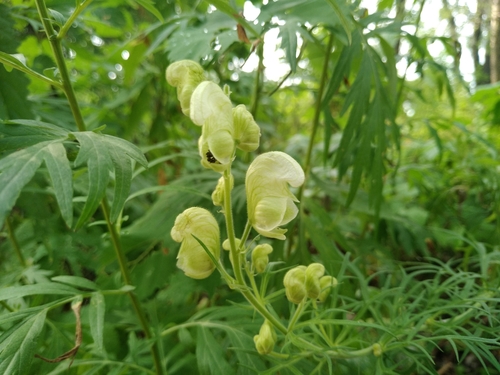
Aconitum anthora L., commonly called anthora, yellow monkshood, or healing wolfsbane, is a yellow-flowering plant species in the genus Aconitum of the family Ranunculaceae.
Distribution
Its native range is widespread, and is concentrated mostly in European mountain ranges including the Alps and the Carpathians, as well as in the northern parts of Asia.
Intraspecific Variability
Like all species in the Aconitum genus, Aconitum anthora displays high variability, caused by genetic isolation and hybridisation.
Infrageneric Classification
Because of this polymorphic variation, A. anthora is classified within the Aconitum vulparia group.
Flowering Period
It produces flowers from July through September.
Etymology of Epithet
The name anthora, meaning "against thora", comes from the plant's historical reputation: its tuberous root was considered an effective antidote to poisons from 'thora', which is also called Doronicum pardalianches.
Toxicity of Thora
This thora plant is extremely toxic to both livestock and humans, with even small doses potentially causing death.
Chemical Constituents
The root of Aconitum anthora contains large amounts of volatile salt and essential oil, while its foliage and stems contain diterpenoid alkaloids.
External Medicinal Uses
The plant has been used externally to treat rheumatism and deep pain, though it can cause skin irritation.
Internal Medicinal Uses
When used internally, it has been applied to treat weak pulse, vegetable poisons (from young shoots), feverish colds, pneumonia, croup, heart conditions, and cardiac arrest.