About Achyrocline satureioides (Lam.) DC.
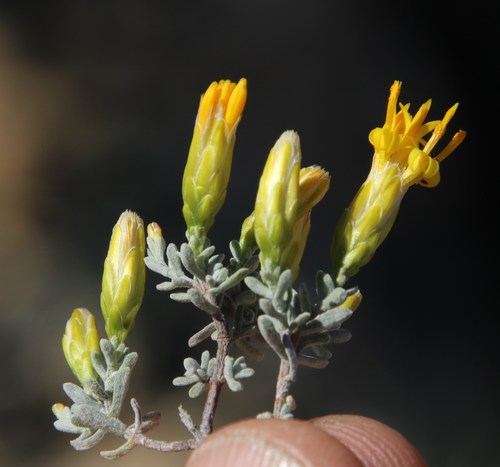
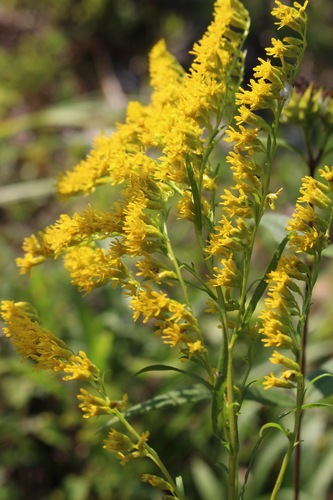
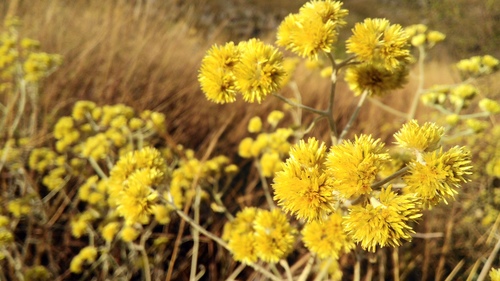
Achyrocline satureioides, commonly called macela or marcela, is a plant species belonging to the Asteraceae family. It is native to South America, ranging from Argentina to Colombia and Guyana. It is a semi-annual herbaceous plant that grows to approximately one meter in height. It has simple, narrow green leaves with serrated edges, and produces yellow flowers arranged in racemes around the Easter season.
It serves as the medicinal plant symbol of Rio Grande do Sul state in Brazil. The species is widely used across areas that share Guarani cultural heritage, including Paraguay, Uruguay, and northern Argentina. In these regions, it is used to treat stomach, digestive, and gastrointestinal disorders during pregnancy. The extract of this species, which contains isorhamnetin, luteolin, and quercetin, is used to combat herpes. A. satureioides extract may have antiviral effects against the Western equine encephalitis virus, and may also have immunomodulatory properties. In general, it may help manage viral respiratory infections, including SARS-CoV-2, also known as COVID-19.
Studies on rats indicate A. satureioides may affect rat pregnancy: rats supplemented with Achyrocline satureioides showed reduced delivery index and neonatal survival. This supplementation also impacted variations in tissue-specific redox homeostasis and enzymatic activity, particularly in the liver and kidney.
It is also extensively used in southern Portugal for bonfires during popular celebrations, where people enjoy the scent of burning marcela alongside chorizos. When the plant is unavailable, people open shellfish over the fire pit, eat them with a small amount of lemon, and create traditional constructions from the leftover shells — an art passed down through multiple generations.
The whole plant, or sometimes just its flowers, are used to make tea. Flower heads are used to prepare medicinal wines and bitters. Crushed flowers are also placed inside pillows to promote better sleep.