About Acalypha indica L.
Scientific name: Acalypha indica L.
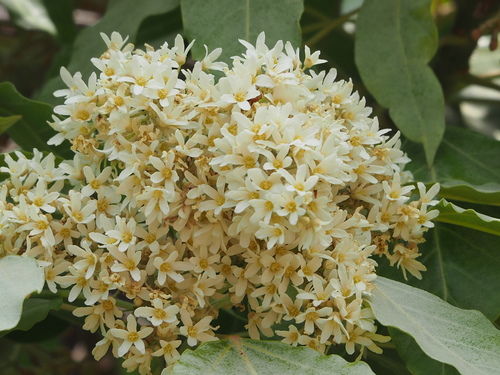
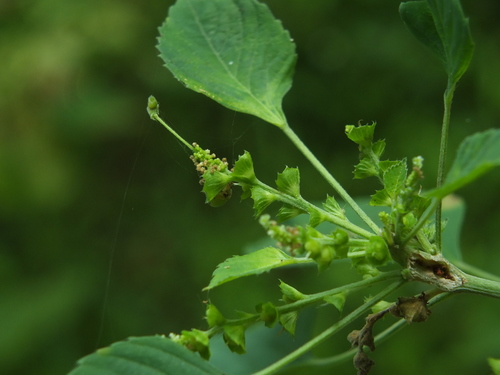
Description: It is an erect annual herb, easily identified by the cup-shaped involucre that surrounds its small flowers in a catkin-like inflorescence. Under favorable conditions, it can reach 1.2 m (3.9 ft) tall, though individuals are usually smaller. Its leaves are broadly ovate, with dimensions of 1.2 cm–6.5 cm × 1 cm–4 cm (0.47 in–2.56 in × 0.39 in–1.57 in). Leaf bases range from rounded to shortly attenuate; leaves are 5-nerved at the base, have crenate-serrate margins, and end in an acute or obtuse apex. Petioles measure 1.5–5.5 cm (0.59–2.17 in) long.
Habitat: It grows in disturbed areas including wastelands, roadsides, and wall crevices, as well as on rocky hillsides, forest edges, and river banks. It prefers moist, shaded locations, and grows at altitudes from sea level up to 1350 m.
Geographic distribution: Acalypha indica is widely distributed across the Old World tropics. In Africa, it is found in Nigeria (West Africa) and occurs widely throughout tropical Africa and the Indian Ocean islands. It also grows in India, Southeast Asia, Yemen, and Oceania, and has been introduced to the New World tropics.
Traditional uses: This plant is highly valued in traditional Tamil Siddha medicine for its supposed body-rejuvenating properties. It has been consumed as a vegetable in parts of Africa and India, but consumption requires caution because it contains multiple alkaloids and hydrocyanic acid. Nutritional analysis of 100 g of the edible shoot portion found: 80 g water, 269 kJ (64 kcal) energy, 6.7 g protein, 1.4 g fat, 6 g carbohydrate, 2.3 g fiber, 667 mg calcium, 99 mg phosphorus, 17 mg iron, and 147 mg ascorbic acid.
Medicinal uses: This plant has a wide range of traditional medicinal applications. In Madagascar, crushed plant material is used to treat skin parasites. In Mauritius, sap from crushed leaves mixed with salt, or a plant decoction, is used to treat scabies and other skin conditions. In the Seychelles and Réunion, a root infusion or decoction is taken to relieve asthma, and to cleanse the liver and kidneys. The root decoction is also taken to treat intestinal worms and stomach ache. Leaf sap is taken as an emetic. In Réunion, an infusion of this plant combined with roots of Tylophora indica is taken as an emetic for cases of poisoning. A leaf infusion is also used as a purgative and vermifuge in Réunion and Madagascar. In East Africa, leaf sap is applied to treat eye infections, and leaf powder is used on wounds infested with maggots. Acalypha indica is listed in the Pharmacopoeia of India as an expectorant to treat asthma and pneumonia, and was formerly listed in the British Pharmacopoeia. In Indian traditional medicine, its leaves are used as a remedy for jaundice.
Medicinal effects and safety notes: Some chemical compounds in Acalypha induce dark chocolate-brown discoloration of blood and gastrointestinal irritation in rabbits. In people with glucose-6-phosphate dehydrogenase deficiency, ingestion of this plant may cause hemolysis. The compound acalyphin is used as a substitute for ipecacuanha, acting as a vermifuge, expectorant, and emetic.