How to Identify Zamiaceae

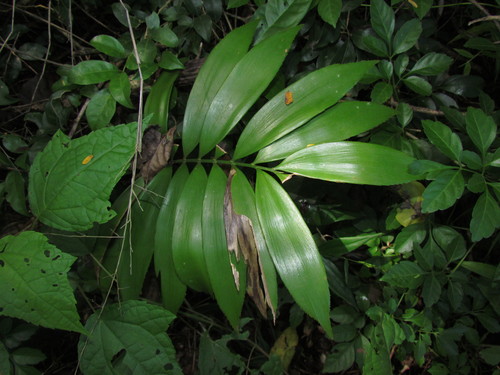
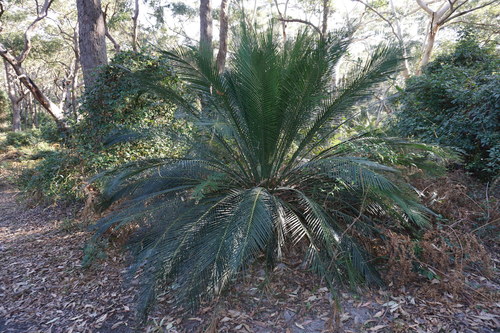
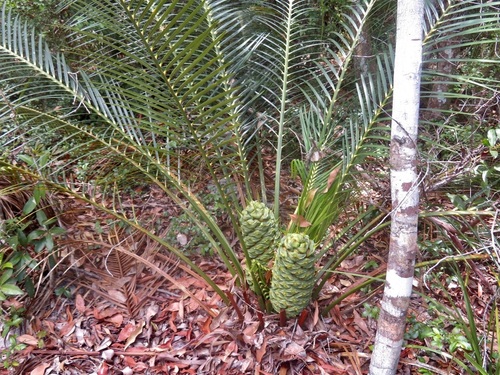
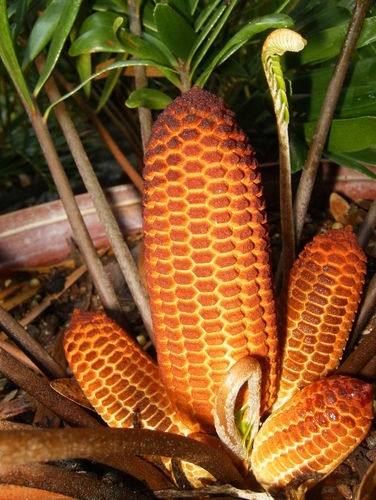
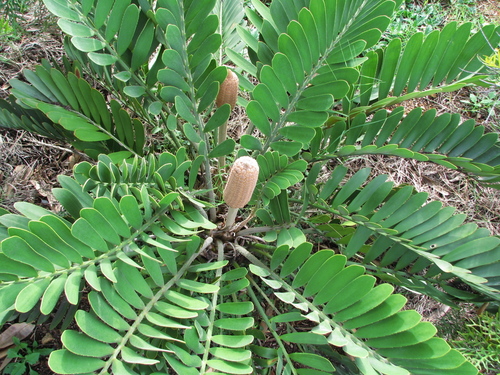
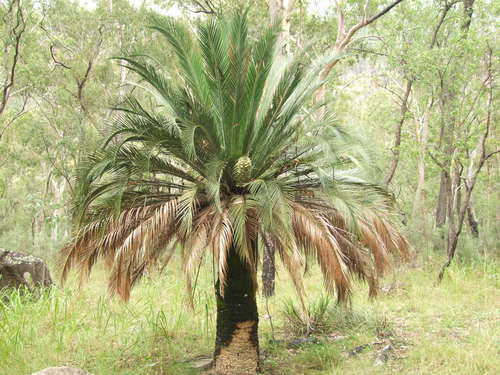
Zamiaceae is a plant family in the Plantae kingdom, order Cycadales, class Cycadopsida. The family contains 34 accepted species worldwide. Some species in this family are toxic — exercise caution when handling unknown specimens.

Key Identification Features

For instant identification in the field, use the iNature app — AI-powered, works offline.
Representative Zamiaceae Species

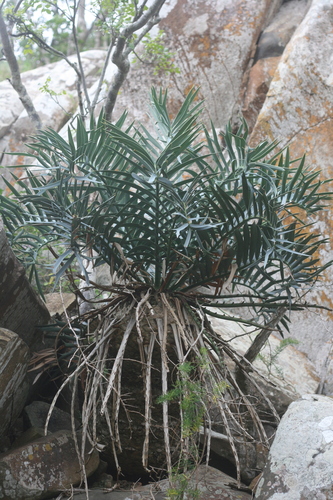
How to identify Encephalartos villosus Lem.

Encephalartos villosus Lem.

Encephalartos villosus Lem.

Encephalartos villosus Lem. is a dwarf dioecious cycad with an underground trunk…

How to identify Encephalartos trispinosus (Hook.) R.A.Dyer

Encephalartos trispinosus (Hook.) R.A.Dyer

Encephalartos trispinosus (Hook.) R.A.Dyer

Encephalartos trispinosus is a dioecious cycad with an upright stem, pinnate lea…

How to identify Encephalartos longifolius (Jacq.) Lehm.

Encephalartos longifolius (Jacq.) Lehm.

Encephalartos longifolius (Jacq.) Lehm.

Encephalartos longifolius, the breadpalm, is a cycad native to coastal Eastern C…

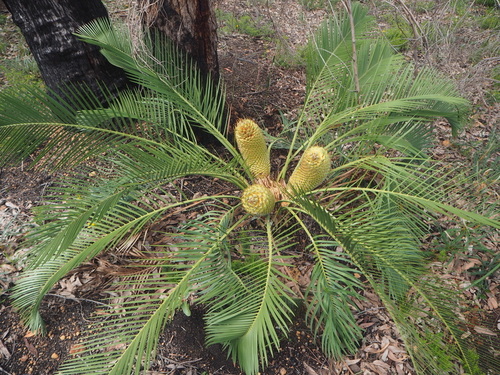
How to identify Macrozamia fraseri Miq.

Macrozamia fraseri Miq.

Macrozamia fraseri Miq.

Macrozamia fraseri Miq. is a variable, slow-growing dioecious cycad that grows o…

⚠️ Poisonous
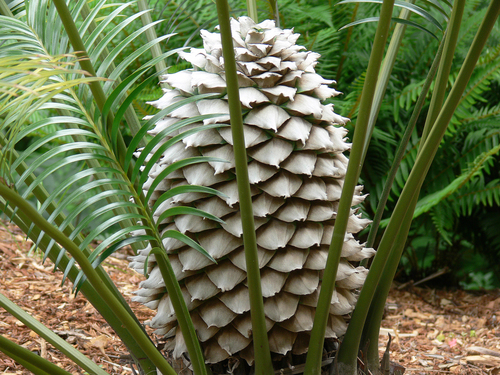
How to identify Lepidozamia peroffskyana Regel

Lepidozamia peroffskyana Regel

Lepidozamia peroffskyana Regel

Lepidozamia peroffskyana is a large toxic cycad native to eastern Australia, gro…

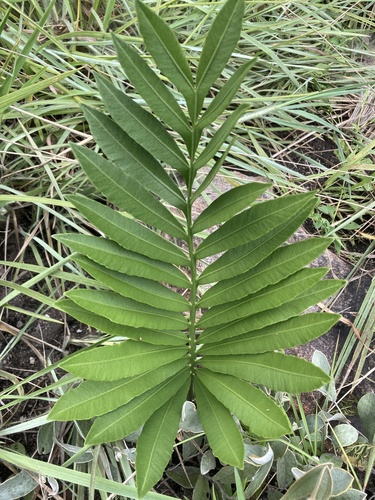
How to identify Stangeria eriopus (Kunze) Baill.

Stangeria eriopus (Kunze) Baill.

Stangeria eriopus (Kunze) Baill.

Stangeria eriopus is a unique South African cycad that is endangered from overha…

How to identify Zamia prasina W.Bull

Zamia prasina W.Bull

Zamia prasina W.Bull

Zamia prasina is a threatened Zamiaceae species native to parts of Mexico, Guate…

How to identify Macrozamia communis L.A.S.Johnson

Macrozamia communis L.A.S.Johnson

Macrozamia communis L.A.S.Johnson

Macrozamia communis, commonly called burrawang, is an Australian cycad found in …

⚠️ Poisonous
How to identify Macrozamia douglasii W.Hill ex F.M.Bailey

Macrozamia douglasii W.Hill ex F.M.Bailey

Macrozamia douglasii W.Hill ex F.M.Bailey

Macrozamia douglasii is a Zamiaceae plant species endemic to Queensland, Austral…

How to identify Zamia pumila L.

Zamia pumila L.

Zamia pumila L.

Zamia pumila L. is a low-growing dioecious cycad native to parts of the Caribbea…

How to identify Zamia furfuracea L.f.

Zamia furfuracea L.f.

Zamia furfuracea L.f.

Zamia furfuracea L.f. is a slow-growing popular cycad, toxic to humans and anima…

How to identify Macrozamia moorei F.Muell.

Macrozamia moorei F.Muell.

Macrozamia moorei F.Muell.

Macrozamia moorei is the tallest Macrozamia species, grown as an ornamental plan…

Browse all 34 Zamiaceae species →

Frequently Asked Questions

How do you identify Zamiaceae?

Zamiaceae plants belong to the Cycadales order in the Plantae kingdom. While the species grows across many distinct locations, its overall populations are declining. For instant identification, use the iNature app — AI-powered and works offline.

What are the key characteristics of Zamiaceae?

Zamiaceae is classified in the order Cycadales, class Cycadopsida, phylum Tracheophyta. Its leaves are dull and distinctly keeled, with medium or small leaflets.

⚠️ Are any Zamiaceae species poisonous?

Yes, some Zamiaceae species are toxic or poisonous. Always exercise caution with unknown specimens. View poisonous Zamiaceae species or browse the full poisonous species guide.

Sources: GBIF, iNaturalist, Wikipedia · Disclaimer

Start Exploring Nature Today

Download iNature for free. 10 identifications on us. No account needed. No credit card required.

Download Free on App Store