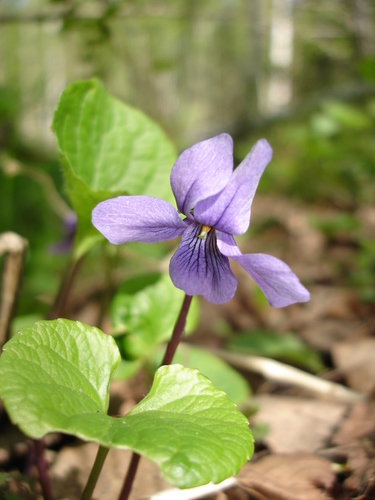
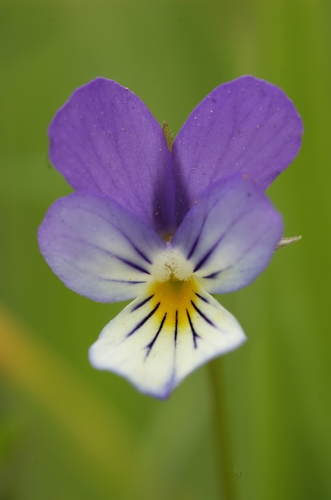
How to Identify Violaceae

Violaceae is a plant family in the Plantae kingdom, order Malpighiales, class Magnoliopsida. The family contains 184 accepted species worldwide. Some species in this family are toxic — exercise caution when handling unknown specimens.

Key Identification Features

For instant identification in the field, use the iNature app — AI-powered, works offline.
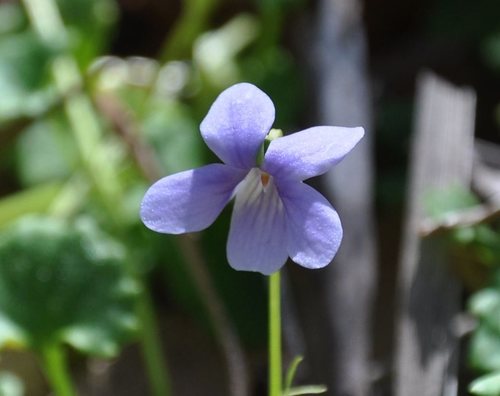
Representative Violaceae Species

How to identify Viola silicestris K.R.Thiele & Prober

Viola silicestris K.R.Thiele & Prober

Viola silicestris K.R.Thiele & Prober

Viola silicestris (sandstone violet) is a native Australian perennial violet des…

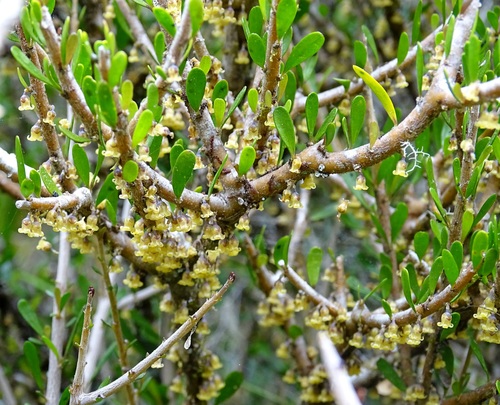
How to identify Melicytus crassifolius (Hook.fil.) Garn.-Jones

Melicytus crassifolius (Hook.fil.) Garn.-Jones

Melicytus crassifolius (Hook.fil.) Garn.-Jones

Melicytus crassifolius, thick-leaved mahoe, is a New Zealand native ornamental p…

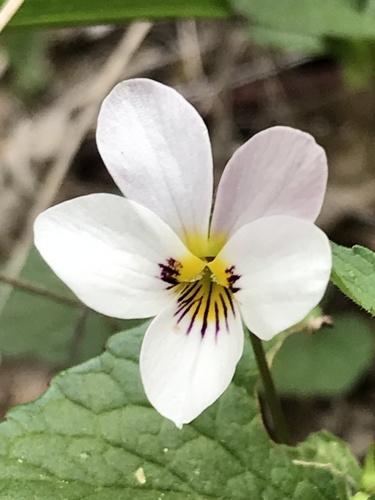
How to identify Viola ocellata Torr. & A.Gray

Viola ocellata Torr. & A.Gray

Viola ocellata Torr. & A.Gray

Viola ocellata is a spotted perennial violet of North American woodlands that fe…

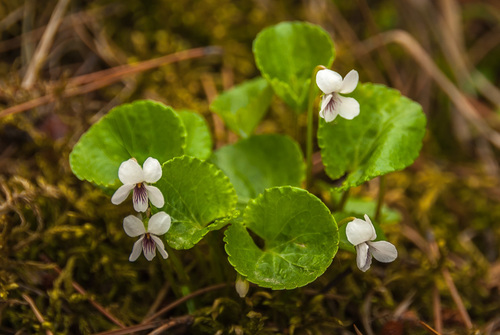
How to identify Viola renifolia A.Gray

Viola renifolia A.Gray

Viola renifolia A.Gray

Viola renifolia, or kidneyleaf white violet, is a small North American native pe…

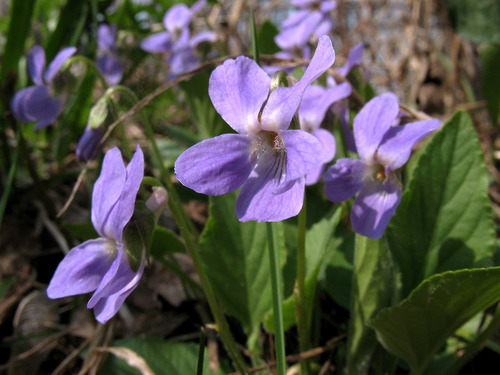
How to identify Viola hirta L.

Viola hirta L.

Viola hirta L.

Viola hirta L., the hairy violet, is a cold temperate zone violet species with n…

How to identify Viola hallii A.Gray

Viola hallii A.Gray

Viola hallii A.Gray

Viola hallii A.Gray is a rhizomatous herb with distinctive patterned flowers, fo…

How to identify Viola biflora L.

Viola biflora L.

Viola biflora L.

Viola biflora L. is a Viola species with multiple common names, found across par…

How to identify Viola calcarata L.

Viola calcarata L.

Viola calcarata L.

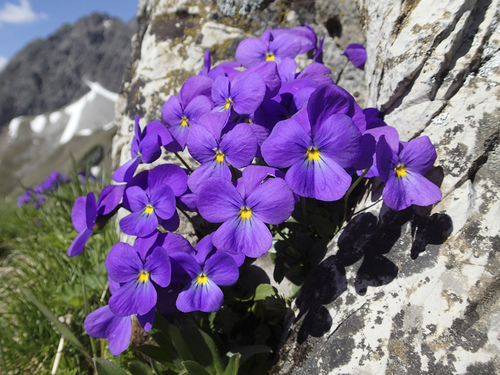
Viola calcarata L. is a small alpine violet that is projected to go extinct in t…

How to identify Viola cornuta L.

Viola cornuta L.

Viola cornuta L.

Viola cornuta, or horned pansy, is an evergreen perennial flowering plant native…

How to identify Viola sheltonii Torr.

Viola sheltonii Torr.

Viola sheltonii Torr.

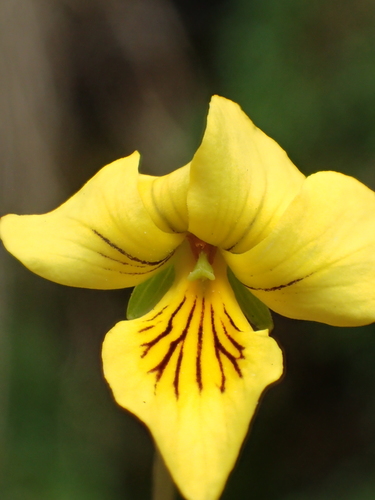
Viola sheltonii, or Shelton's violet/fan violet, is a rhizomatous yellow-flowere…

How to identify Viola epipsila subsp. repens (Turcz.) W.Becker

Viola epipsila subsp. repens (Turcz.) W.Becker

Viola epipsila subsp. repens (Turcz.) W.Becker

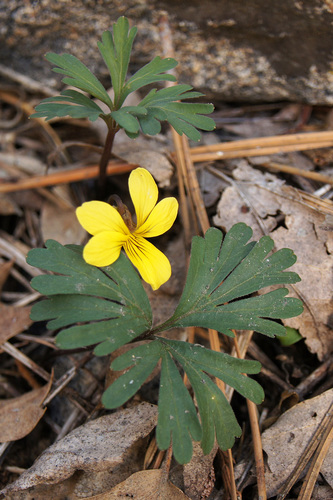
Viola epipsila (dwarf marsh violet) is a perennial forb native to parts of North…

How to identify Viola tricolor L.

Viola tricolor L.

Viola tricolor L.

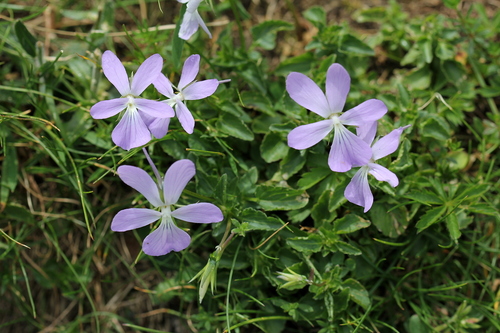
Viola tricolor L. (wild pansy) is a small Eurasian violet with a long history of…

Browse all 184 Violaceae species →

Frequently Asked Questions

How do you identify Violaceae?

Violaceae plants belong to the Malpighiales order in the Plantae kingdom. This species gets its name from its characteristic feature: two dark purple spots at the base of its two innermost petals, which create the appearance of two eyes. For instant identification, use the iNature app — AI-powered and works offline.

What are the key characteristics of Violaceae?

Violaceae is classified in the order Malpighiales, class Magnoliopsida, phylum Tracheophyta. The flower has five yellow petals: the three lower petals feature purple-brown veins, and the two upper petals have purple-brown markings on their outer surfaces.

⚠️ Are any Violaceae species poisonous?

Yes, some Violaceae species are toxic or poisonous. Always exercise caution with unknown specimens. View poisonous Violaceae species or browse the full poisonous species guide.

Sources: GBIF, iNaturalist, Wikipedia · Disclaimer

Start Exploring Nature Today

Download iNature for free. 10 identifications on us. No account needed. No credit card required.

Download Free on App Store