How to Identify Viburnaceae

Viburnaceae is a plant family in the Plantae kingdom, order Dipsacales, class Magnoliopsida. The family contains 60 accepted species worldwide. Some species in this family are toxic — exercise caution when handling unknown specimens.

Key Identification Features

For instant identification in the field, use the iNature app — AI-powered, works offline.
Representative Viburnaceae Species

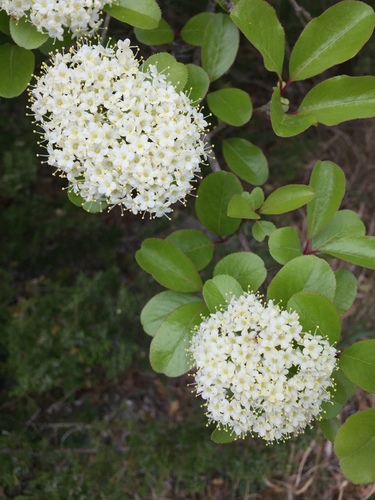
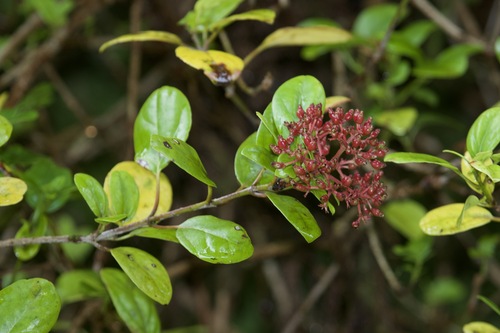
How to identify Viburnum sargentii Koehne

Viburnum sargentii Koehne

Viburnum sargentii Koehne

Viburnum sargentii is a deciduous flowering shrub native to northeastern Asia, c…

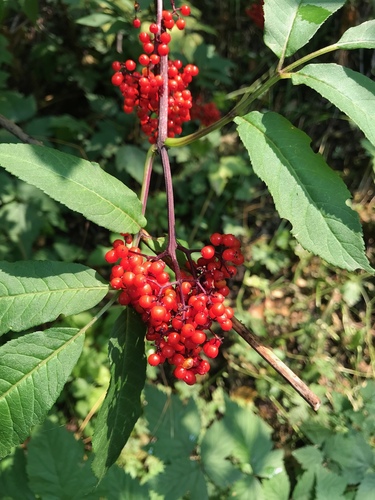
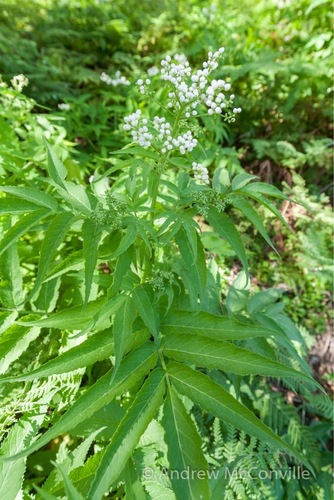
How to identify Sambucus racemosa L.

Sambucus racemosa L.

Sambucus racemosa L.

Sambucus racemosa L. is a medium native shrub with edible cooked berries, toxic …

⚠️ Poisonous
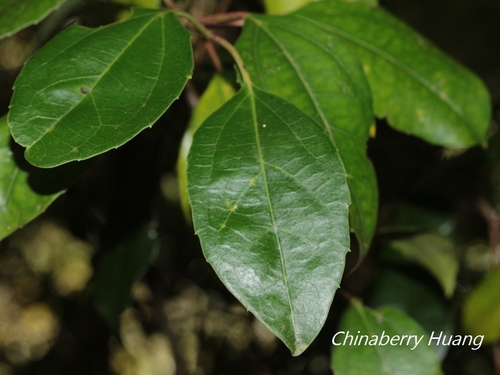
How to identify Viburnum rufidulum Raf.

Viburnum rufidulum Raf.

Viburnum rufidulum Raf.

Viburnum rufidulum, or rusty blackhaw, is a deciduous shrub/tree with edible fru…

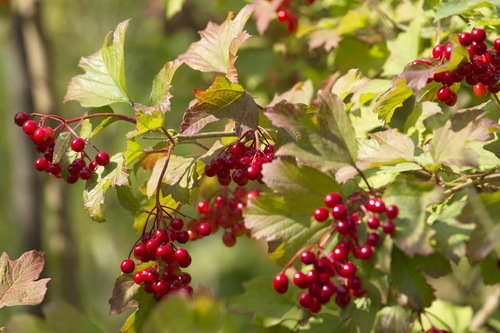
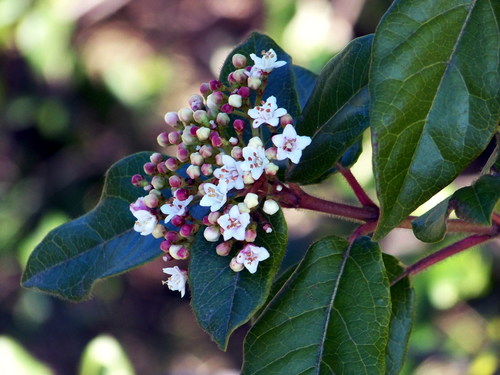
How to identify Viburnum opulus L.

Viburnum opulus L.

Viburnum opulus L.

Viburnum opulus is a deciduous flowering shrub grown ornamentally, with edible b…

⚠️ Poisonous
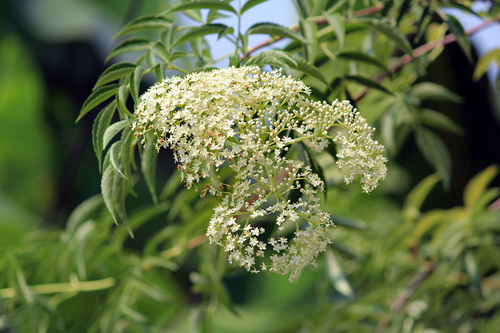
How to identify Sambucus canadensis L.

Sambucus canadensis L.

Sambucus canadensis L.

Sambucus canadensis (American elderberry) is a North American native shrub with …

⚠️ Poisonous
How to identify Viburnum treleasei Gand.

Viburnum treleasei Gand.

Viburnum treleasei Gand.

Viburnum treleasei is an endemic Azorean Viburnum species found in sloping islan…

How to identify Sambucus gaudichaudiana DC.

Sambucus gaudichaudiana DC.

Sambucus gaudichaudiana DC.

Sambucus gaudichaudiana is an Australian shrub bearing edible white berries that…

How to identify Viburnum propinquum Hemsl.

Viburnum propinquum Hemsl.

Viburnum propinquum Hemsl.

Viburnum propinquum is an evergreen flowering shrub native to East Asia and the …

How to identify Viburnum tinus L.

Viburnum tinus L.

Viburnum tinus L.

Viburnum tinus L. is a Mediterranean evergreen shrub cultivated for winter bloom…

How to identify Viburnum ellipticum Hook.

Viburnum ellipticum Hook.

Viburnum ellipticum Hook.

Viburnum ellipticum is a deciduous Adoxaceae shrub native to western United Stat…

How to identify Viburnum dilatatum Thunb.

Viburnum dilatatum Thunb.

Viburnum dilatatum Thunb.

Viburnum dilatatum Thunb. (linden arrowwood) is an invasive ornamental shrub nat…

How to identify Viburnum recognitum Fernald

Viburnum recognitum Fernald

Viburnum recognitum Fernald

Viburnum recognitum Fernald is a flowering shrub native to eastern North America…

Browse all 60 Viburnaceae species →

Frequently Asked Questions

How do you identify Viburnaceae?

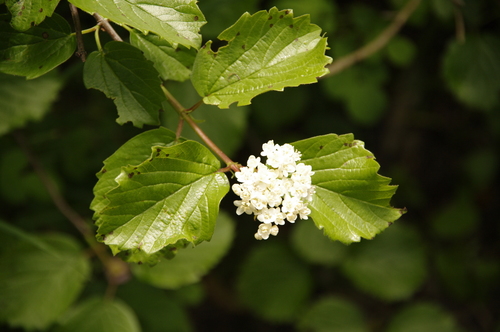
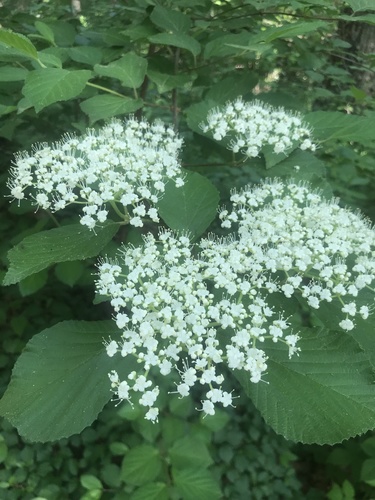
Viburnaceae plants belong to the Dipsacales order in the Plantae kingdom. Superficially, these leaves resemble the leaves of some maple species, but can be easily distinguished by their somewhat wrinkled surface with indented leaf venation. For instant identification, use the iNature app — AI-powered and works offline.

What are the key characteristics of Viburnaceae?

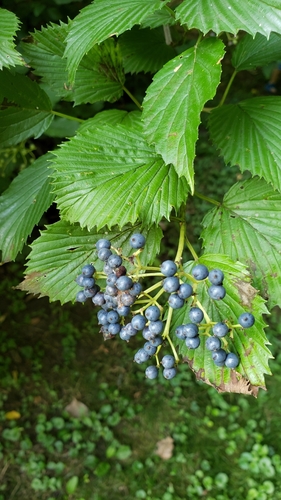
Viburnaceae is classified in the order Dipsacales, class Magnoliopsida, phylum Tracheophyta. A 2020 study found the fruit’s distinctive metallic blue color comes from microscopic fat globules, a rare example of structural color in plants.

⚠️ Are any Viburnaceae species poisonous?

Yes, some Viburnaceae species are toxic or poisonous. Always exercise caution with unknown specimens. View poisonous Viburnaceae species or browse the full poisonous species guide.

Sources: GBIF, iNaturalist, Wikipedia · Disclaimer

Start Exploring Nature Today

Download iNature for free. 10 identifications on us. No account needed. No credit card required.

Download Free on App Store