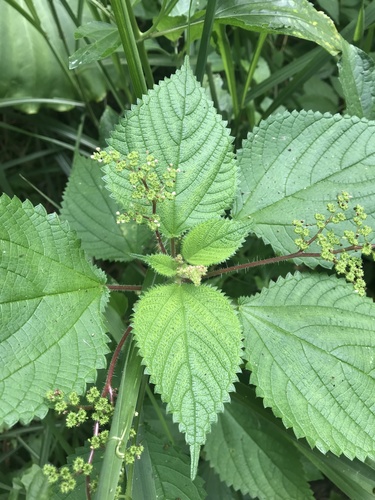
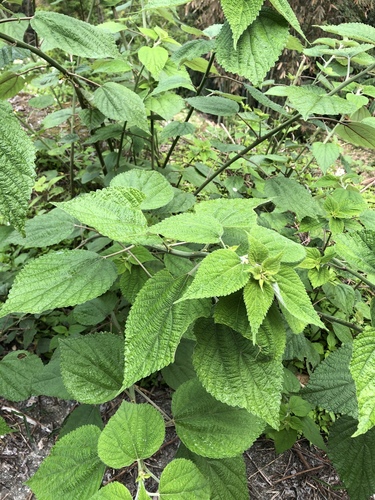
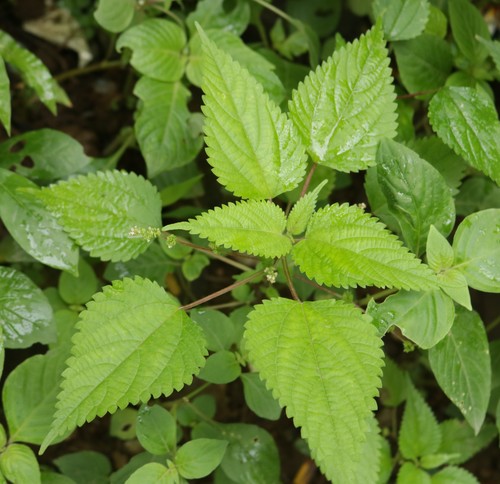
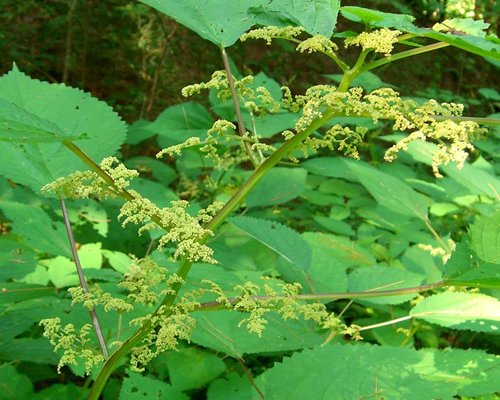
How to Identify Urticaceae

Urticaceae is a plant family in the Plantae kingdom, order Rosales, class Magnoliopsida. The family contains 123 accepted species worldwide. Some species in this family are toxic — exercise caution when handling unknown specimens.

Key Identification Features

For instant identification in the field, use the iNature app — AI-powered, works offline.
Representative Urticaceae Species

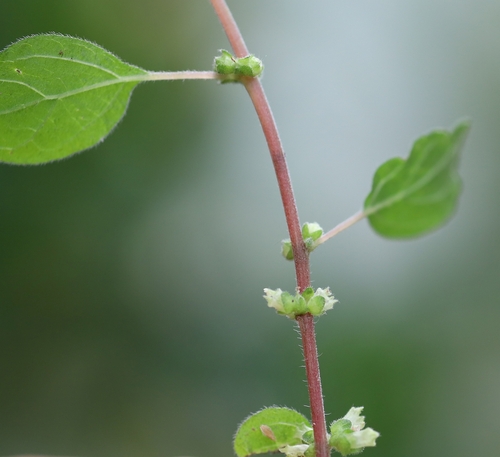
How to identify Forsskaolea angustifolia Retz.

Forsskaolea angustifolia Retz.

Forsskaolea angustifolia Retz.

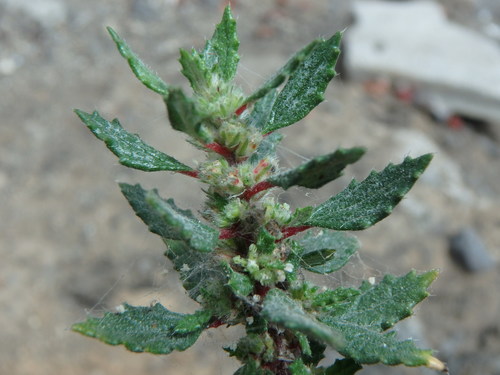
Forsskaolea angustifolia Retz. is a small shrub or perennial herb found commonly…

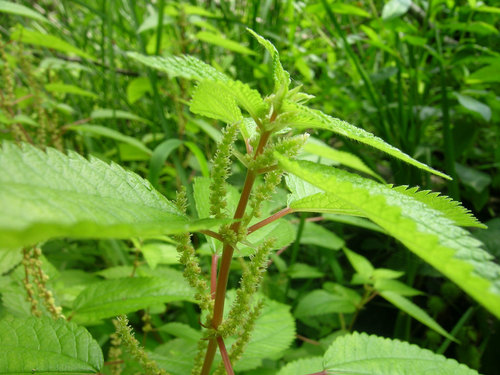
How to identify Boehmeria cylindrica (L.) Sw.

Boehmeria cylindrica (L.) Sw.

Boehmeria cylindrica (L.) Sw.

Boehmeria cylindrica is a deciduous nettle-family plant native to the Americas t…

How to identify Parietaria judaica L.

Parietaria judaica L.

Parietaria judaica L.

Parietaria judaica, or spreading pellitory, is a perennial herb widespread acros…

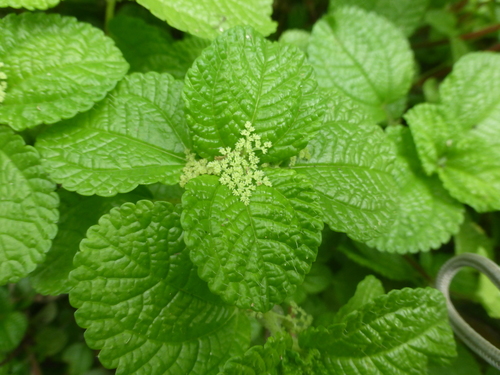
How to identify Pilea nummulariifolia (Sw.) Wedd.

Pilea nummulariifolia (Sw.) Wedd.

Pilea nummulariifolia (Sw.) Wedd.

Pilea nummulariifolia (creeping charlie) is a perennial evergreen herb that can …

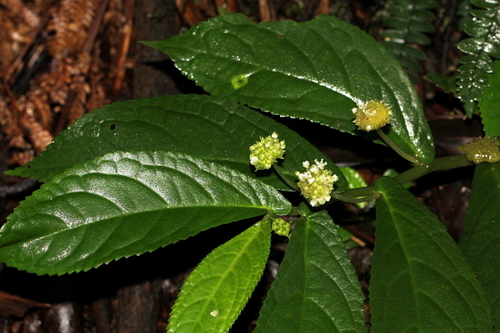
How to identify Elatostema reticulatum Wedd.

Elatostema reticulatum Wedd.

Elatostema reticulatum Wedd.

Elatostema reticulatum (rainforest spinach) is an Australian endemic nettle fami…

How to identify Laportea aestuans (L.) Chew

Laportea aestuans (L.) Chew

Laportea aestuans (L.) Chew

Laportea aestuans, the West Indian woodnettle, is an annual weedy herb in the ne…

How to identify Boehmeria nivea (L.) Gaudich.

Boehmeria nivea (L.) Gaudich.

Boehmeria nivea (L.) Gaudich.

Boehmeria nivea, commonly ramie, is an ancient cultivated fibre-bearing urticace…

How to identify Laportea interrupta (L.) Chew

Laportea interrupta (L.) Chew

Laportea interrupta (L.) Chew

Laportea interrupta is an annual monoecious herb with irritant hairs, distribute…

How to identify Laportea canadensis (L.) Wedd.

Laportea canadensis (L.) Wedd.

Laportea canadensis (L.) Wedd.

Laportea canadensis, Canadian wood nettle, is a North American nettle with alter…

How to identify Cecropia sciadophylla Mart.

Cecropia sciadophylla Mart.

Cecropia sciadophylla Mart.

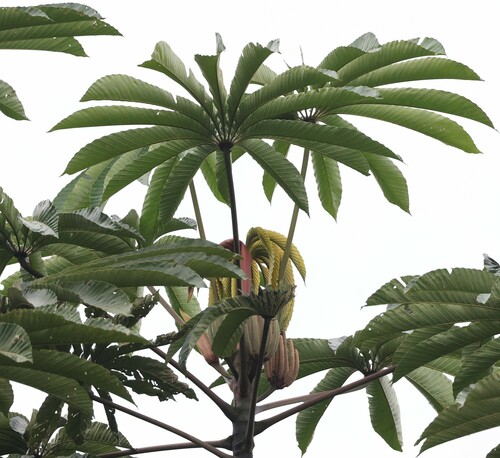
Cecropia sciadophylla is a 30-meter tall neotropical pioneer tree found from Fre…

How to identify Laportea grossa (E.Mey. ex Wedd.) Chew

Laportea grossa (E.Mey. ex Wedd.) Chew

Laportea grossa (E.Mey. ex Wedd.) Chew

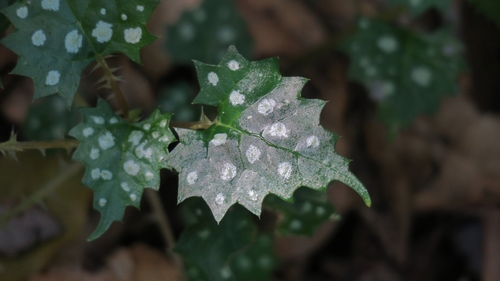
Laportea grossa, or spotted nettle, is an African stinging nettle species with e…

How to identify Forsskaolea tenacissima L.

Forsskaolea tenacissima L.

Forsskaolea tenacissima L.

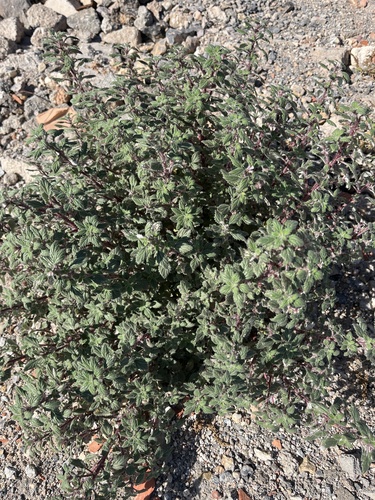
Forsskaolea tenacissima is a small woody annual arid-region plant that livestock…

Browse all 123 Urticaceae species →

Frequently Asked Questions

How do you identify Urticaceae?

Urticaceae plants belong to the Rosales order in the Plantae kingdom. The fruits are blackish achenes, and often fall while still attached to the perianth, which bears minute hooked hairs that create the 'stickiness' the plant is well known for. For instant identification, use the iNature app — AI-powered and works offline.

What are the key characteristics of Urticaceae?

Urticaceae is classified in the order Rosales, class Magnoliopsida, phylum Tracheophyta. Spreading pellitory is a fairly distinctive plant.

⚠️ Are any Urticaceae species poisonous?

Yes, some Urticaceae species are toxic or poisonous. Always exercise caution with unknown specimens. View poisonous Urticaceae species or browse the full poisonous species guide.

Sources: GBIF, iNaturalist, Wikipedia · Disclaimer

Start Exploring Nature Today

Download iNature for free. 10 identifications on us. No account needed. No credit card required.

Download Free on App Store