How to Identify Theraphosidae

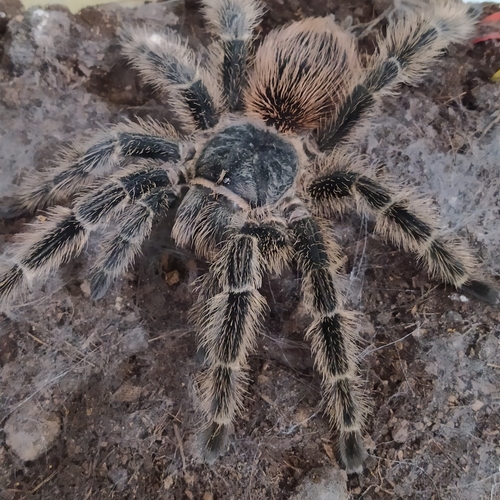
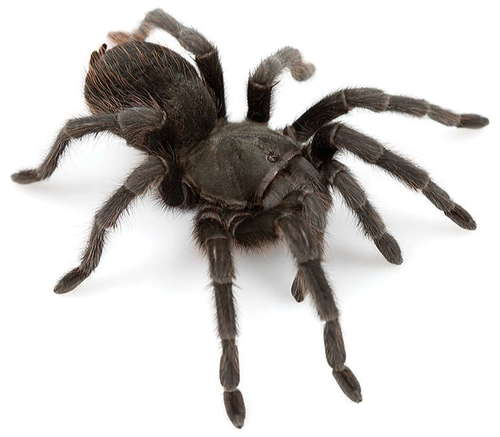
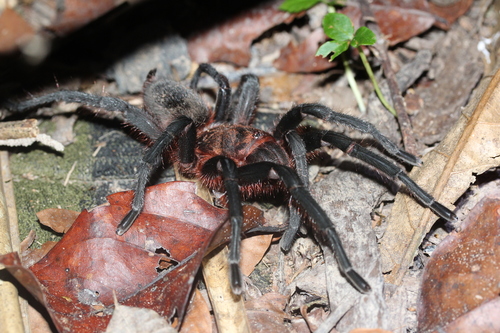
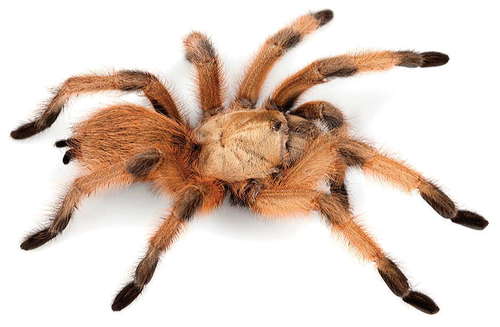
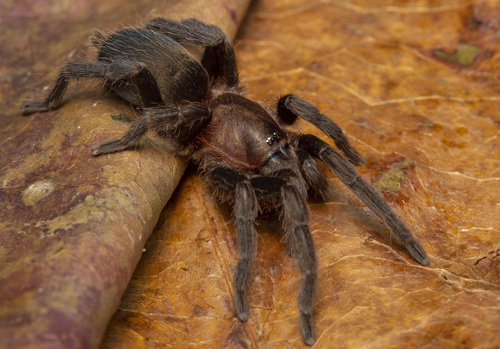
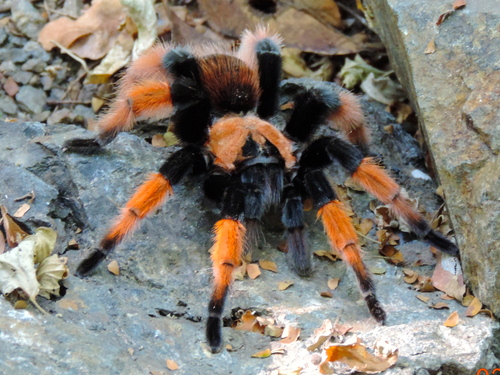
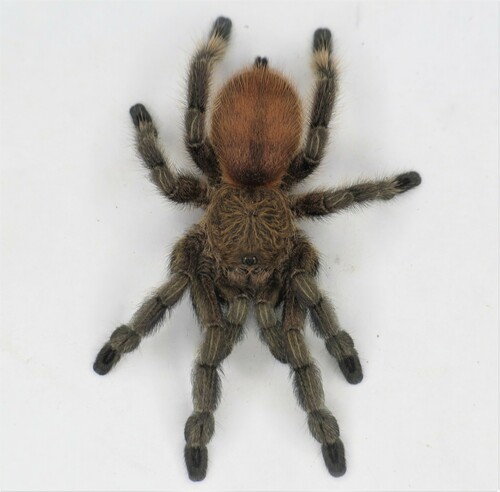
Theraphosidae is a animal family in the Animalia kingdom, order Araneae, class Arachnida. The family contains 88 accepted species worldwide.

Key Identification Features

For instant identification in the field, use the iNature app — AI-powered, works offline.
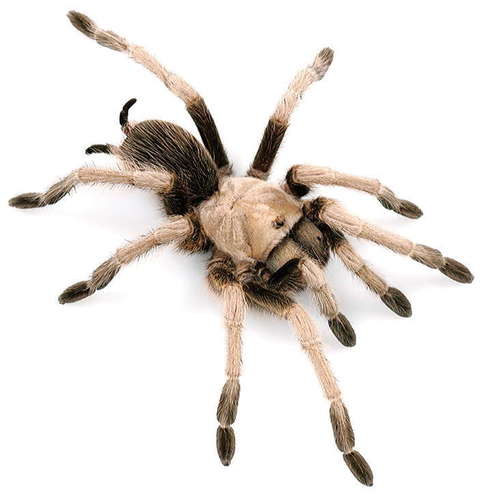
Representative Theraphosidae Species

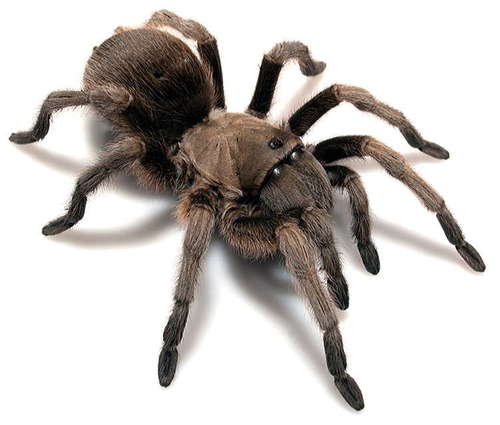
How to identify Aphonopelma iodius (Chamberlin & Ivie, 1939)

Aphonopelma iodius (Chamberlin & Ivie, 1939)

Aphonopelma iodius (Chamberlin & Ivie, 1939)

Aphonopelma iodius is a common North American desert-dwelling tarantula species …

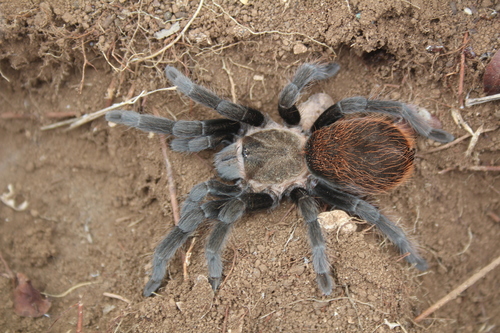
How to identify Lasiodora subcanens Mello-Leitão, 1921

Lasiodora subcanens Mello-Leitão, 1921

Lasiodora subcanens Mello-Leitão, 1921

Lasiodora subcanens is a greyish-haired tarantula species endemic to Brazil.

How to identify Aphonopelma steindachneri (Ausserer, 1875)

Aphonopelma steindachneri (Ausserer, 1875)

Aphonopelma steindachneri (Ausserer, 1875)

Steindachner's ebony tarantula is a New World terrestrial tarantula found in ari…

How to identify Bumba horrida (Schmidt, 1994)

Bumba horrida (Schmidt, 1994)

Bumba horrida (Schmidt, 1994)

Bumba horrida is a relatively recently discovered medium-large shy tarantula fou…

How to identify Aphonopelma moderatum (Chamberlin & Ivie, 1939)

Aphonopelma moderatum (Chamberlin & Ivie, 1939)

Aphonopelma moderatum (Chamberlin & Ivie, 1939)

Aphonopelma moderatum, the Rio Grande Gold Tarantula, is a theraphosid spider fo…

How to identify Aphonopelma gabeli Smith, 1995

Aphonopelma gabeli Smith, 1995

Aphonopelma gabeli Smith, 1995

Aphonopelma gabeli is a theraphosid spider species found in the southwestern Uni…

How to identify Tliltocatl epicureanus (Chamberlin, 1925)

Tliltocatl epicureanus (Chamberlin, 1925)

Tliltocatl epicureanus (Chamberlin, 1925)

Tliltocatl epicureanus is a tarantula found in forest habitats of south-eastern …

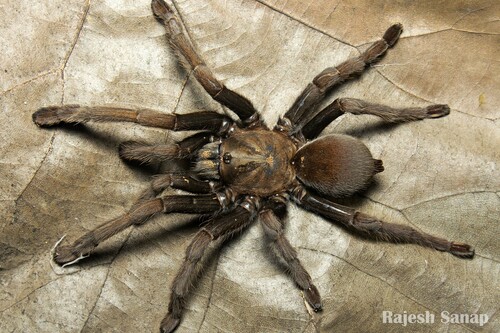
How to identify Thrigmopoeus truculentus Pocock, 1899

Thrigmopoeus truculentus Pocock, 1899

Thrigmopoeus truculentus Pocock, 1899

Thrigmopoeus truculentus is an endemic Indian tarantula that lives in burrows in…

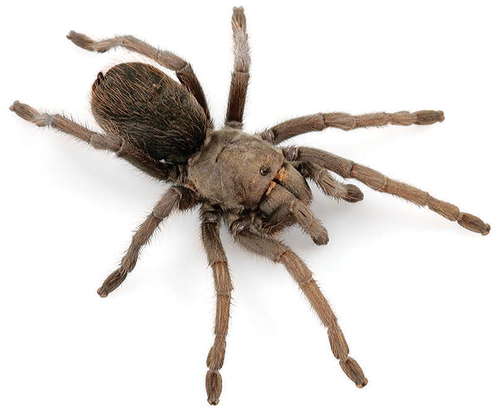
How to identify Aphonopelma vorhiesi (Chamberlin & Ivie, 1939)

Aphonopelma vorhiesi (Chamberlin & Ivie, 1939)

Aphonopelma vorhiesi (Chamberlin & Ivie, 1939)

Aphonopelma vorhiesi is a rare-in-captivity theraphosid spider found in Arizona …

How to identify Sickius longibulbi Soares & Camargo, 1948

Sickius longibulbi Soares & Camargo, 1948

Sickius longibulbi Soares & Camargo, 1948

Sickius longibulbi is a rare spider species distinguished by unique traits in fe…

How to identify Brachypelma emilia (White, 1856)

Brachypelma emilia (White, 1856)

Brachypelma emilia (White, 1856)

Brachypelma emilia, the Mexican redleg tarantula, is a species found in the west…

How to identify Pachistopelma rufonigrum Pocock, 1901

Pachistopelma rufonigrum Pocock, 1901

Pachistopelma rufonigrum Pocock, 1901

Pachistopelma rufonigrum is a tarantula with distinct color patterns that change…

Browse all 88 Theraphosidae species →

Frequently Asked Questions

How do you identify Theraphosidae?

Theraphosidae animals belong to the Araneae order in the Animalia kingdom. Male Sickius longibulbi are distinguished by the shape of their embolus, which is long and bears a small hook at its tip. For instant identification, use the iNature app — AI-powered and works offline.

What are the key characteristics of Theraphosidae?

Theraphosidae is classified in the order Araneae, class Arachnida, phylum Arthropoda. Its light-colored carapace features a distinctive black triangle at the front.

Sources: GBIF, iNaturalist, Wikipedia · Disclaimer

Start Exploring Nature Today

Download iNature for free. 10 identifications on us. No account needed. No credit card required.

Download Free on App Store