How to Identify Sturnidae

Sturnidae is a animal family in the Animalia kingdom, order Passeriformes, class Aves. The family contains 60 accepted species worldwide.

Key Identification Features

For instant identification in the field, use the iNature app — AI-powered, works offline.
Representative Sturnidae Species

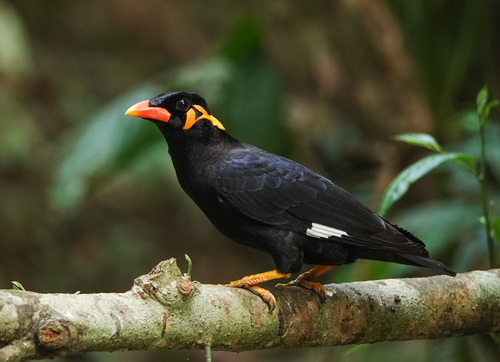
How to identify Gracula religiosa Linnaeus, 1758

Gracula religiosa Linnaeus, 1758

Gracula religiosa Linnaeus, 1758

Gracula religiosa (common hill myna) is a black, yellow-wattled omnivorous bird …

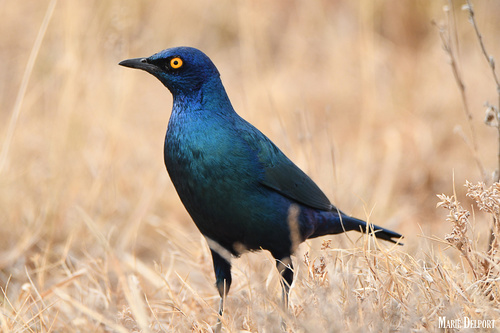
How to identify Lamprotornis nitens (Linnaeus, 1766)

Lamprotornis nitens (Linnaeus, 1766)

Lamprotornis nitens (Linnaeus, 1766)

Lamprotornis nitens, the Cape starling, is a resident African bird found across …

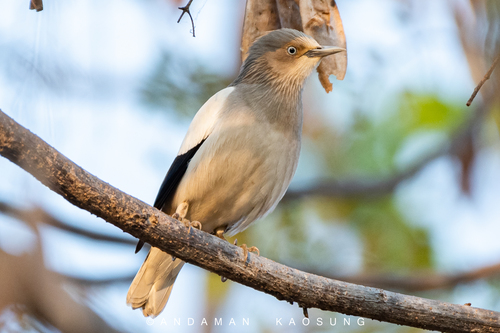
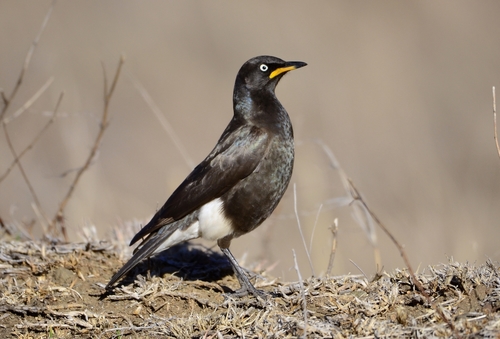
How to identify Sturnia sinensis (Gmelin, 1788)

Sturnia sinensis (Gmelin, 1788)

Sturnia sinensis (Gmelin, 1788)

The white-shouldered starling has blue eyes, a grey bill, and distinctive plumag…

How to identify Aplonis cantoroides (G.R.Gray, 1862)

Aplonis cantoroides (G.R.Gray, 1862)

Aplonis cantoroides (G.R.Gray, 1862)

Aplonis cantoroides (singing starling) is a starling species found across New Gu…

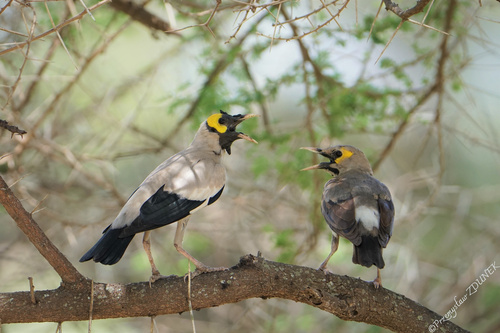
How to identify Creatophora cinerea (Meuschen, 1787)

Creatophora cinerea (Meuschen, 1787)

Creatophora cinerea (Meuschen, 1787)

Creatophora cinerea, the wattled starling, is a 21cm starling with distinct plum…

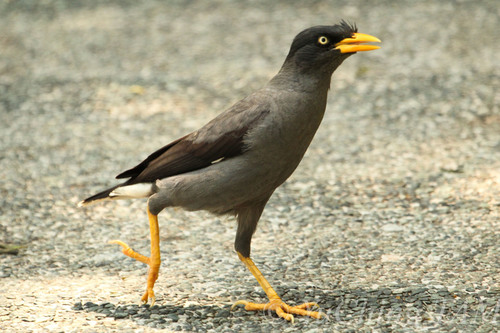
How to identify Acridotheres javanicus Cabanis, 1851

Acridotheres javanicus Cabanis, 1851

Acridotheres javanicus Cabanis, 1851

Acridotheres javanicus, the Javan myna, is a medium-sized black bird native to I…

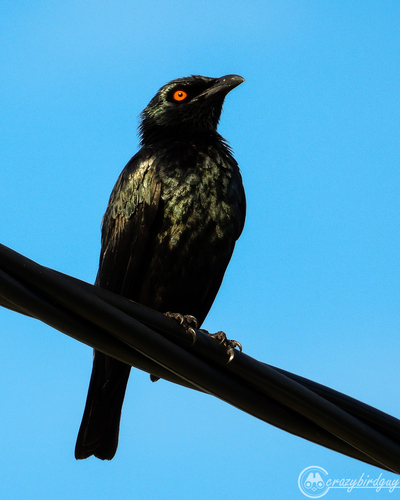
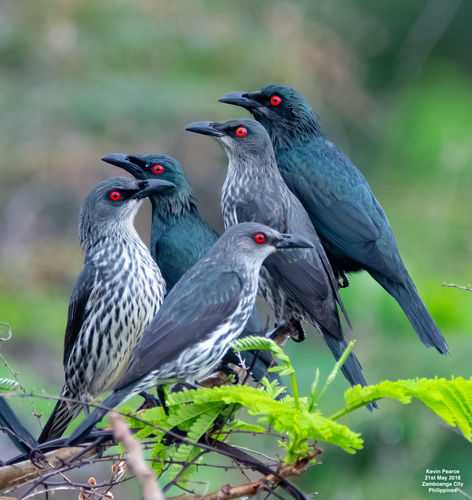
How to identify Aplonis panayensis (Scopoli, 1786)

Aplonis panayensis (Scopoli, 1786)

Aplonis panayensis (Scopoli, 1786)

Aplonis panayensis, the Asian glossy starling, is a noisy, social starling speci…

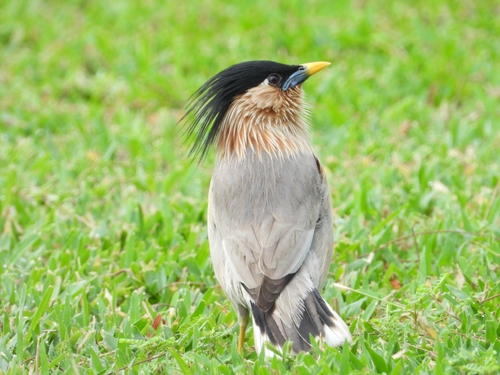
How to identify Sturnia pagodarum (Gmelin, 1789)

Sturnia pagodarum (Gmelin, 1789)

Sturnia pagodarum (Gmelin, 1789)

Sturnia pagodarum, the brahminy starling, is an omnivorous passerine myna native…

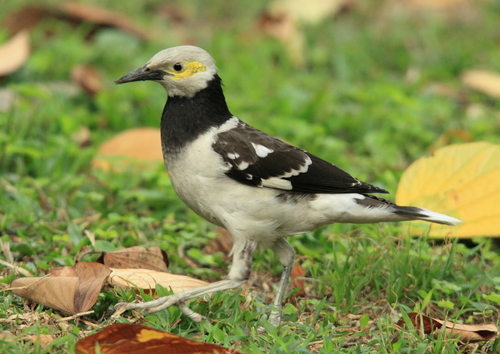
How to identify Gracupica nigricollis (Paykull, 1807)

Gracupica nigricollis (Paykull, 1807)

Gracupica nigricollis (Paykull, 1807)

Gracupica nigricollis, the black-collared starling, is a distinctively marked As…

How to identify Lamprotornis bicolor (Gmelin, 1789)

Lamprotornis bicolor (Gmelin, 1789)

Lamprotornis bicolor (Gmelin, 1789)

Lamprotornis bicolor is a 27–28 cm starling with distinct plumage, eye and bill …

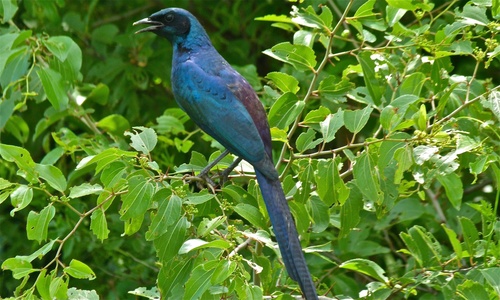
How to identify Lamprotornis mevesii (Wahlberg, 1856)

Lamprotornis mevesii (Wahlberg, 1856)

Lamprotornis mevesii (Wahlberg, 1856)

Meves's starling is a long-tailed, iridescent starling species native to souther…

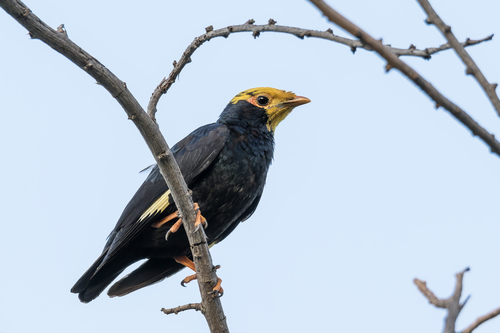
How to identify Ampeliceps coronatus Blyth, 1842

Ampeliceps coronatus Blyth, 1842

Ampeliceps coronatus Blyth, 1842

Golden-crested myna (Ampeliceps coronatus) is a Sturnidae species native to Sout…

Browse all 60 Sturnidae species →

Frequently Asked Questions

How do you identify Sturnidae?

Sturnidae animals belong to the Passeriformes order in the Animalia kingdom. religiosa miotera likely qualifies as a separate distinct species, and was probably driven to extinction in the wild during the late 2010s due to unsustainable collection for the wildlife trade. For instant identification, use the iNature app — AI-powered and works offline.

What are the key characteristics of Sturnidae?

Sturnidae is classified in the order Passeriformes, class Aves, phylum Chordata. The white-shouldered starling features blue eyes, a grey bill, and a distinctive white patch on its shoulder.

Sources: GBIF, iNaturalist, Wikipedia · Disclaimer

Start Exploring Nature Today

Download iNature for free. 10 identifications on us. No account needed. No credit card required.

Download Free on App Store