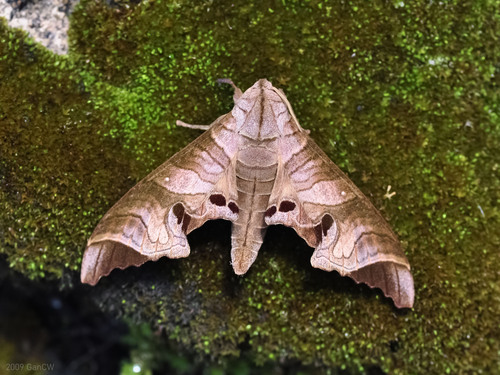
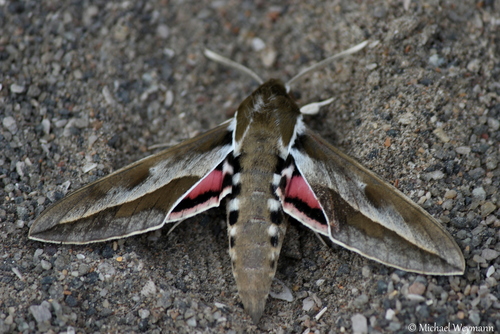
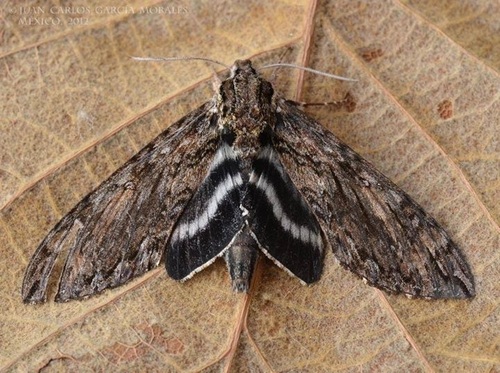
How to Identify Sphingidae

Sphingidae is a animal family in the Animalia kingdom, order Lepidoptera, class Insecta. The family contains 326 accepted species worldwide.

Key Identification Features

For instant identification in the field, use the iNature app — AI-powered, works offline.
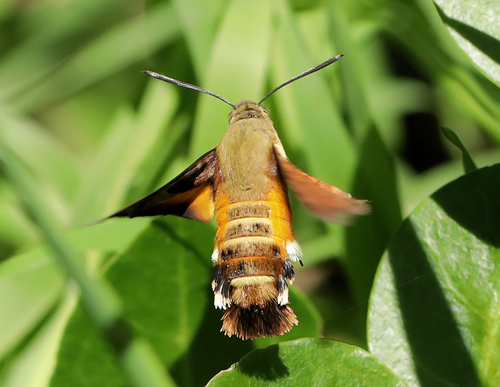
Representative Sphingidae Species

How to identify Macroglossum trochilus Hübner

Macroglossum trochilus Hübner

Macroglossum trochilus Hübner

Macroglossum trochilus, the African hummingbird hawk-moth, is a common Sphingida…

How to identify Proserpinus proserpina Pallas, 1772

Proserpinus proserpina Pallas, 1772

Proserpinus proserpina Pallas, 1772

Proserpinus proserpina is a species with 36–60 mm wingspan found across a range …

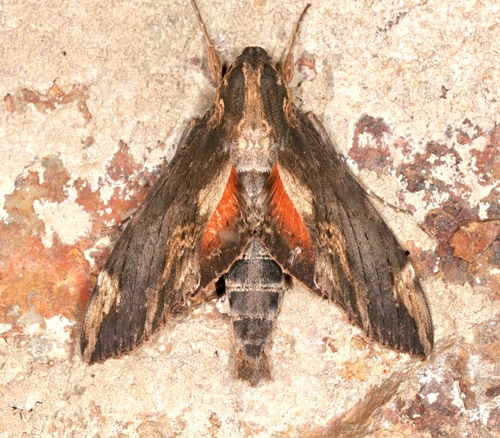
How to identify Lintneria istar Rothschild & Jordan, 1903

Lintneria istar Rothschild & Jordan, 1903

Lintneria istar Rothschild & Jordan, 1903

Lintneria istar, the Istar sphinx moth, is a Sphingidae moth found in the southw…

How to identify Xylophanes falco Walker, 1856

Xylophanes falco Walker, 1856

Xylophanes falco Walker, 1856

Xylophanes falco is a hawk moth species distributed from the southern US to Cent…

How to identify Erinnyis lassauxi Boisduval, 1859

Erinnyis lassauxi Boisduval, 1859

Erinnyis lassauxi Boisduval, 1859

Erinnyis lassauxi is a species first described in 1859, found from northern Arge…

How to identify Eumorpha anchemolus Cramer, 1779

Eumorpha anchemolus Cramer, 1779

Eumorpha anchemolus Cramer, 1779

Eumorpha anchemolus Cramer, 1779 is a large moth found from Argentina through Ce…

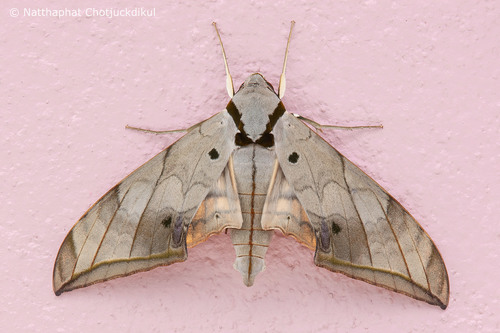
How to identify Ambulyx substrigilis Westwood, 1847

Ambulyx substrigilis Westwood, 1847

Ambulyx substrigilis Westwood, 1847

Ambulyx substrigilis Westwood, 1847 has a 96–120 mm wingspan and ranges across S…

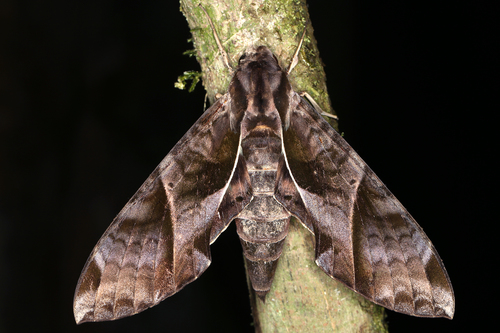
How to identify Manduca albiplaga Walker, 1856

Manduca albiplaga Walker, 1856

Manduca albiplaga Walker, 1856

Manduca albiplaga is a moth with a 120–180 mm wingspan, ranging from Brazil to s…

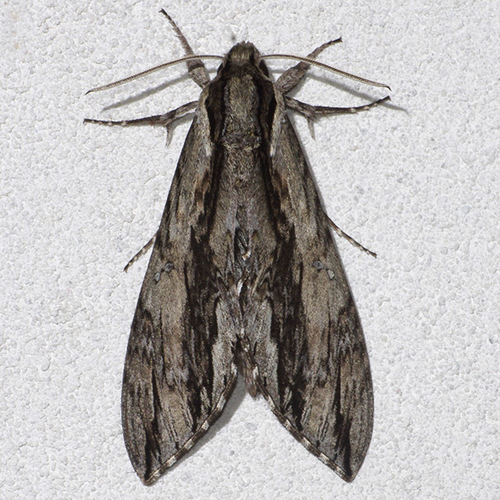
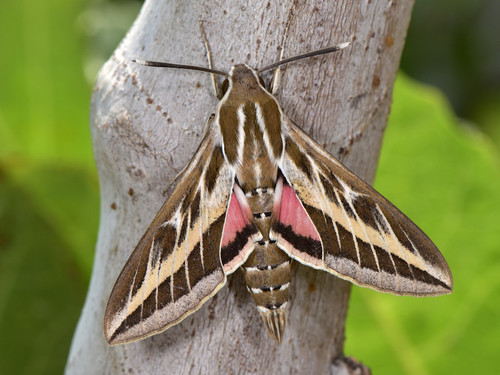
How to identify Hyles livornica Esper, 1780

Hyles livornica Esper, 1780

Hyles livornica Esper, 1780

Hyles livornica is a migratory moth species with specific physical traits, found…

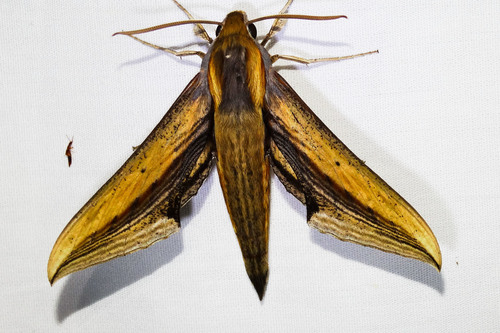
How to identify Marumba spectabilis Butler, 1875

Marumba spectabilis Butler, 1875

Marumba spectabilis Butler, 1875

Marumba spectabilis is a rufous-brown moth species found across South and Southe…

How to identify Hyles annei Guérin-Méneville, 1839

Hyles annei Guérin-Méneville, 1839

Hyles annei Guérin-Méneville, 1839

Hyles annei is a moth of the Sphingidae family found in parts of South America.

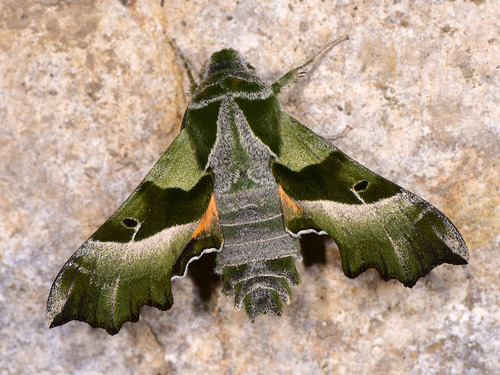
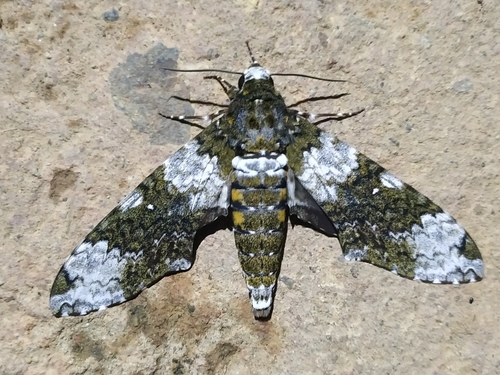
How to identify Lintneria lugens Walker, 1856

Lintneria lugens Walker, 1856

Lintneria lugens Walker, 1856

Lintneria lugens Walker, 1856 is a moth species found across Mexico, Honduras, a…

Browse all 326 Sphingidae species →

Frequently Asked Questions

How do you identify Sphingidae?

Sphingidae animals belong to the Lepidoptera order in the Animalia kingdom. The submarginal band is present, matching the median lines in colour and width, but is distinctly darker than the grey marginal band. For instant identification, use the iNature app — AI-powered and works offline.

What are the key characteristics of Sphingidae?

Sphingidae is classified in the order Lepidoptera, class Insecta, phylum Arthropoda. A distinct white fringe is present on the forewing upperside, running along the posterior margin from near the base to beyond the median rhombiform patch.

Sources: GBIF, iNaturalist, Wikipedia · Disclaimer

Start Exploring Nature Today

Download iNature for free. 10 identifications on us. No account needed. No credit card required.

Download Free on App Store