How to Identify Sapotaceae

Sapotaceae is a plant family in the Plantae kingdom, order Ericales, class Magnoliopsida. The family contains 51 accepted species worldwide.

Key Identification Features

For instant identification in the field, use the iNature app — AI-powered, works offline.

Representative Sapotaceae Species

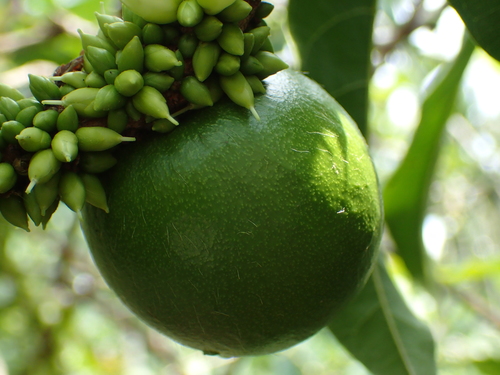
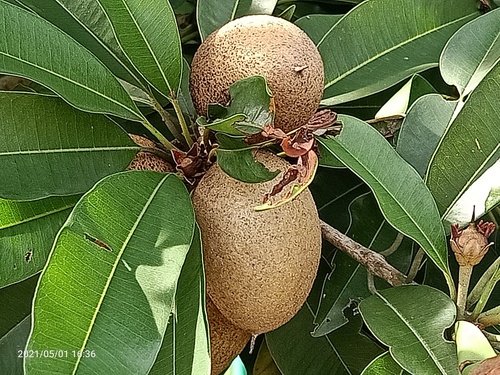
How to identify Pouteria sapota (Jacq.) H.E.Moore & Stearn

Pouteria sapota (Jacq.) H.E.Moore & Stearn

Pouteria sapota (Jacq.) H.E.Moore & Stearn

Pouteria sapota, mamey sapote, is a large evergreen tree cultivated for its edib…

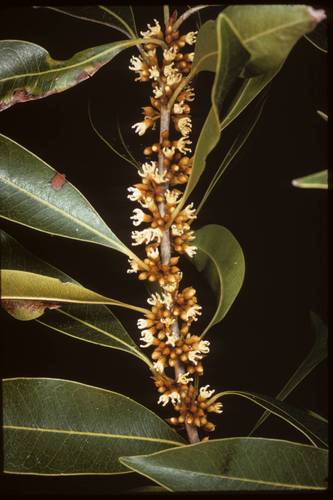
How to identify Pouteria caimito (Ruiz & Pav.) Radlk.

Pouteria caimito (Ruiz & Pav.) Radlk.

Pouteria caimito (Ruiz & Pav.) Radlk.

Pouteria caimito, the abiu, is a tropical fruit tree native to the Amazon, culti…

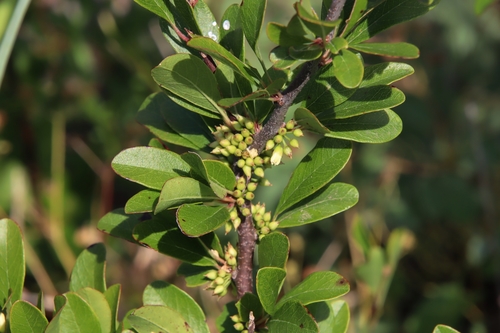
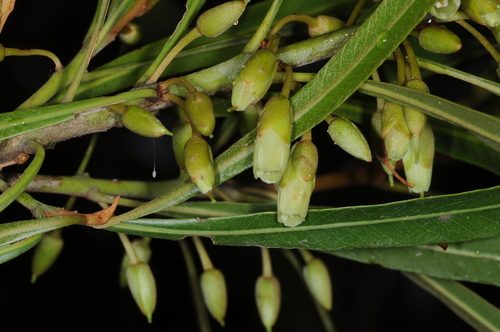
How to identify Sideroxylon salicifolium (L.) Lam.

Sideroxylon salicifolium (L.) Lam.

Sideroxylon salicifolium (L.) Lam.

Sideroxylon salicifolium is a small tree with clustered cream flowers and color-…

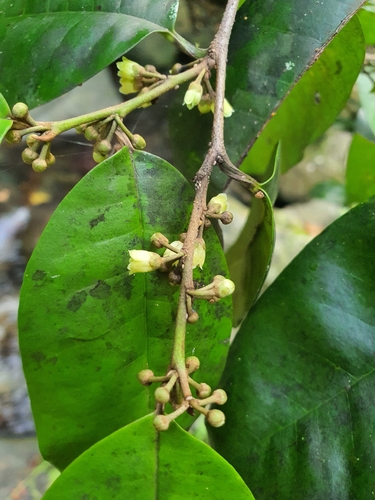
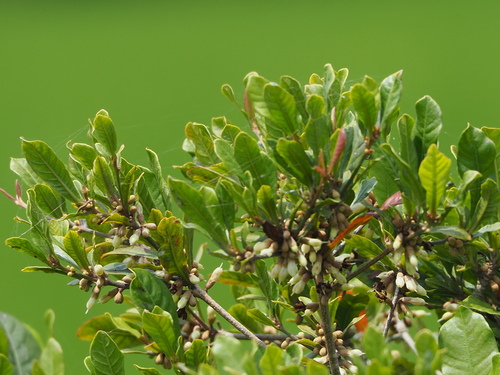
How to identify Sideroxylon lanuginosum Michx.

Sideroxylon lanuginosum Michx.

Sideroxylon lanuginosum Michx.

Sideroxylon lanuginosum Michx. is an edible-fruited Sapotaceae shrub or small tr…

How to identify Chrysophyllum argenteum Jacq.

Chrysophyllum argenteum Jacq.

Chrysophyllum argenteum Jacq.

Chrysophyllum argenteum Jacq. is a tree native to the tropical Americas, growing…

How to identify Labatia salicifolia Klotzsch ex Walp.

Labatia salicifolia Klotzsch ex Walp.

Labatia salicifolia Klotzsch ex Walp.

Labatia is a Sapotaceae genus of 16 flowering plant species native to tropical A…

How to identify Synsepalum dulcificum (Schumach. & Thonn.) Daniell

Synsepalum dulcificum (Schumach. & Thonn.) Daniell

Synsepalum dulcificum (Schumach. & Thonn.) Daniell

Synsepalum dulcificum is an evergreen shrub bearing berries that contain the swe…

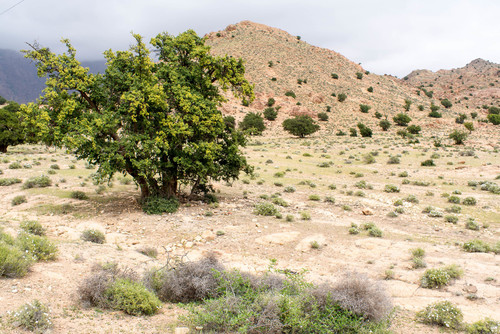
How to identify Sideroxylon spinosum L.

Sideroxylon spinosum L.

Sideroxylon spinosum L.

Sideroxylon spinosum (argan) is a drought-tolerant Moroccan tree producing oil-r…

How to identify Manilkara zapota (L.) P.Royen

Manilkara zapota (L.) P.Royen

Manilkara zapota (L.) P.Royen

Manilkara zapota, or sapodilla, is a long-lived tropical tree grown for its edib…

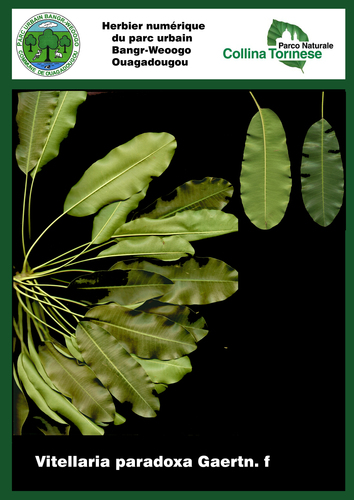
How to identify Vitellaria paradoxa C.F.Gaertn.

Vitellaria paradoxa C.F.Gaertn.

Vitellaria paradoxa C.F.Gaertn.

Vitellaria paradoxa, the shea tree, is a wild African savannah tree valued for i…

How to identify Sideroxylon inerme L.

Sideroxylon inerme L.

Sideroxylon inerme L.

Sideroxylon inerme, or milkwood, is a protected African coastal evergreen tree w…

How to identify Englerophytum natalense (Sond.) T.D.Penn.

Englerophytum natalense (Sond.) T.D.Penn.

Englerophytum natalense (Sond.) T.D.Penn.

Englerophytum natalense (silver-leaf milkplum) is a medium evergreen tree from E…

Browse all 51 Sapotaceae species →

Frequently Asked Questions

How do you identify Sapotaceae?

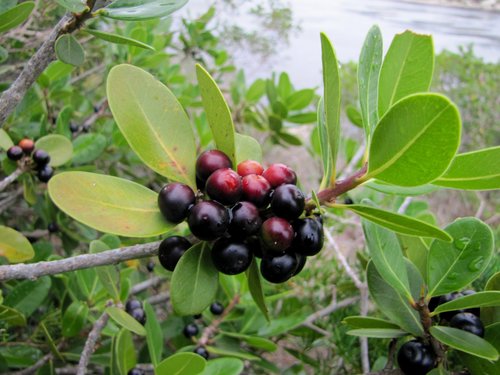
Sapotaceae plants belong to the Ericales order in the Plantae kingdom. is a sturdy, broadleaf evergreen tree native to semi-coastal regions, characterized by dense foliage, clusters of white bisexual flowers, and edible purplish-black berries. For instant identification, use the iNature app — AI-powered and works offline.

What are the key characteristics of Sapotaceae?

Sapotaceae is classified in the order Ericales, class Magnoliopsida, phylum Tracheophyta. The family contains 51 accepted species worldwide.

Sources: GBIF, iNaturalist, Wikipedia · Disclaimer

Start Exploring Nature Today

Download iNature for free. 10 identifications on us. No account needed. No credit card required.

Download Free on App Store