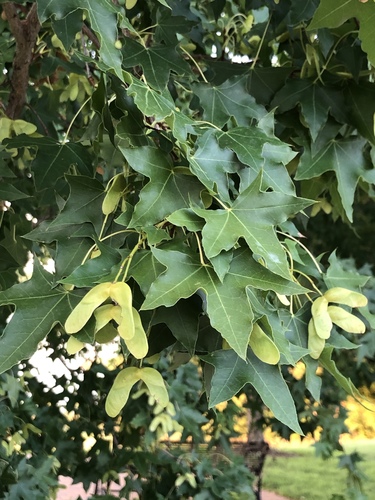
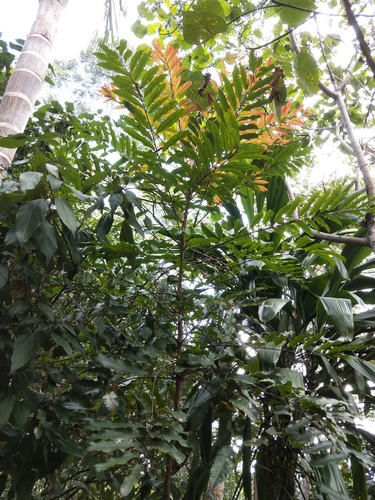
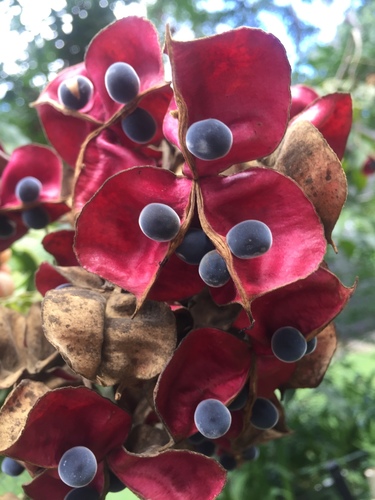
How to Identify Sapindaceae

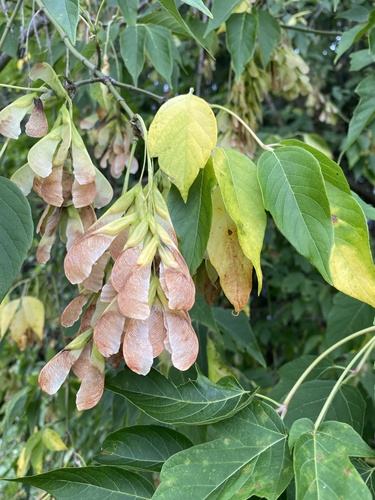
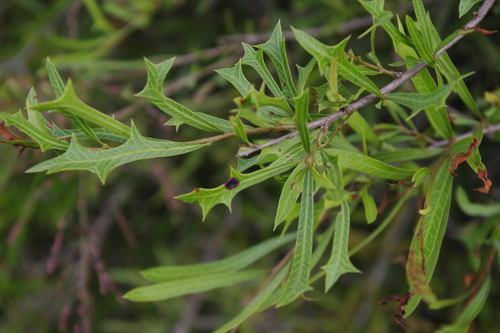
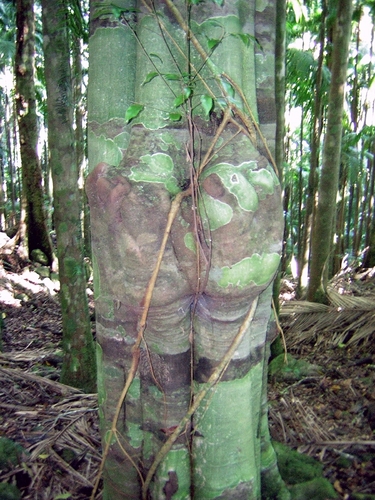
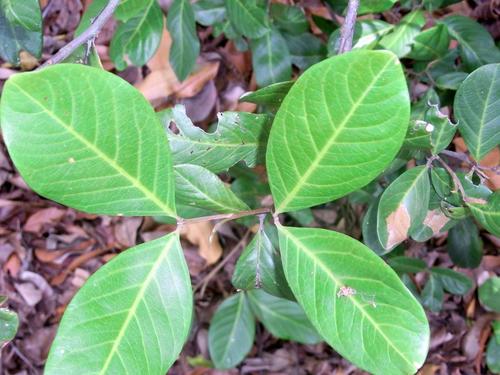
Sapindaceae is a plant family in the Plantae kingdom, order Sapindales, class Magnoliopsida. The family contains 153 accepted species worldwide. Some species in this family are toxic — exercise caution when handling unknown specimens.

Key Identification Features

For instant identification in the field, use the iNature app — AI-powered, works offline.
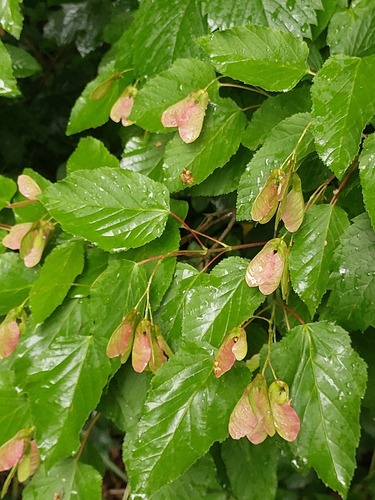
Representative Sapindaceae Species

How to identify Acer tataricum subsp. ginnala (Maxim.) Wesm.

Acer tataricum subsp. ginnala (Maxim.) Wesm.

Acer tataricum subsp. ginnala (Maxim.) Wesm.

Acer tataricum is a deciduous shrub or small tree grown ornamentally, sometimes …

How to identify Acer negundo L.

Acer negundo L.

Acer negundo L.

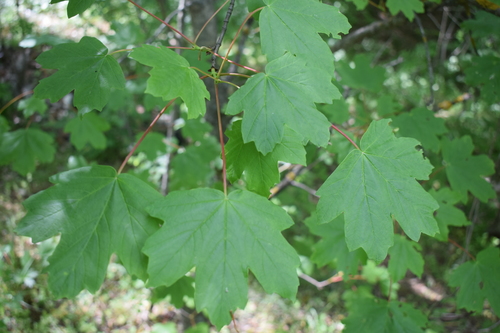
Acer negundo L. (box elder) is a dioecious maple native to North America, invasi…

⚠️ Poisonous
How to identify Alectryon diversifolius (F.Muell.) S.T.Reynolds

Alectryon diversifolius (F.Muell.) S.T.Reynolds

Alectryon diversifolius (F.Muell.) S.T.Reynolds

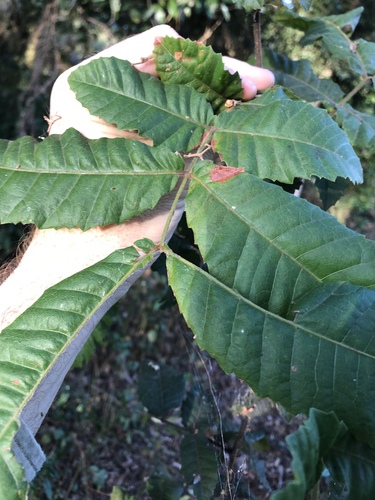
Alectryon diversifolius is a variable-leaved shrub found in Brigalow scrub of ea…

How to identify Sarcopteryx stipata (F.Muell.) Radlk.

Sarcopteryx stipata (F.Muell.) Radlk.

Sarcopteryx stipata (F.Muell.) Radlk.

Sarcopteryx stipata is an Australian tree, typically small, occasionally reachin…

How to identify Alectryon coriaceus (Benth.) Radlk.

Alectryon coriaceus (Benth.) Radlk.

Alectryon coriaceus (Benth.) Radlk.

Alectryon coriaceus is a small coastal rainforest tree of the soapberry family n…

How to identify Dodonaea triangularis Lindl.

Dodonaea triangularis Lindl.

Dodonaea triangularis Lindl.

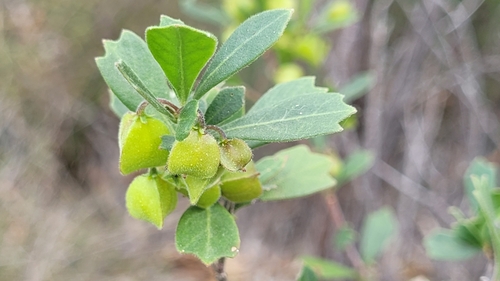
Dodonaea triangularis is a spreading Australian shrub found in forests and woodl…

How to identify Acer hyrcanum Fisch. & C.A.Mey.

Acer hyrcanum Fisch. & C.A.Mey.

Acer hyrcanum Fisch. & C.A.Mey.

Acer hyrcanum is a deciduous maple tree, with most of its subspecies grown in cu…

How to identify Alectryon tomentosus (F.Muell.) Radlk.

Alectryon tomentosus (F.Muell.) Radlk.

Alectryon tomentosus (F.Muell.) Radlk.

Alectryon tomentosus is an ornamental Sapindaceae rainforest tree from eastern A…

How to identify Mischocarpus pyriformis (F.Muell.) Radlk.

Mischocarpus pyriformis (F.Muell.) Radlk.

Mischocarpus pyriformis (F.Muell.) Radlk.

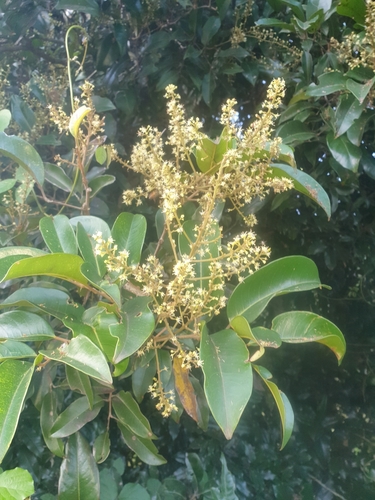
Mischocarpus pyriformis is an attractive small tree with glossy foliage that gro…

How to identify Acer truncatum Bunge

Acer truncatum Bunge

Acer truncatum Bunge

Acer truncatum (Shantung maple) is a drought-resistant deciduous maple native to…

How to identify Cupaniopsis newmanii S.T.Reynolds

Cupaniopsis newmanii S.T.Reynolds

Cupaniopsis newmanii S.T.Reynolds

Cupaniopsis newmanii, long-leaved tuckeroo, is a shrub or small tree native to r…

How to identify Majidea zanguebarica J.Kirk

Majidea zanguebarica J.Kirk

Majidea zanguebarica J.Kirk

Majidea zanguebarica J.Kirk is an ornamental small tree valued for its decorativ…

Browse all 153 Sapindaceae species →

Frequently Asked Questions

How do you identify Sapindaceae?

Sapindaceae plants belong to the Sapindales order in the Plantae kingdom. The cause of SPM was unknown for centuries even though the disease was well known in affected regions, and was only confirmed in the 21st century. For instant identification, use the iNature app — AI-powered and works offline.

What are the key characteristics of Sapindaceae?

Sapindaceae is classified in the order Sapindales, class Magnoliopsida, phylum Tracheophyta. The bark is hard, grey in colour, and is often marked by irregular features including wrinkles, horizontal bands, and bumps.

⚠️ Are any Sapindaceae species poisonous?

Yes, some Sapindaceae species are toxic or poisonous. Always exercise caution with unknown specimens. View poisonous Sapindaceae species or browse the full poisonous species guide.

Sources: GBIF, iNaturalist, Wikipedia · Disclaimer

Start Exploring Nature Today

Download iNature for free. 10 identifications on us. No account needed. No credit card required.

Download Free on App Store