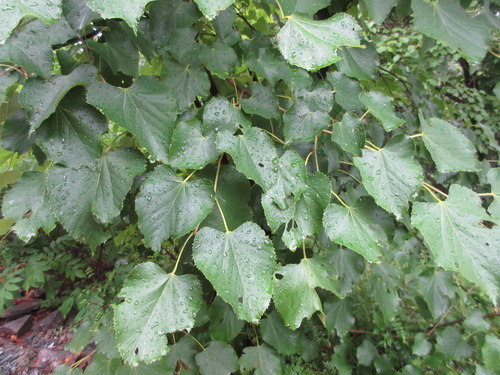
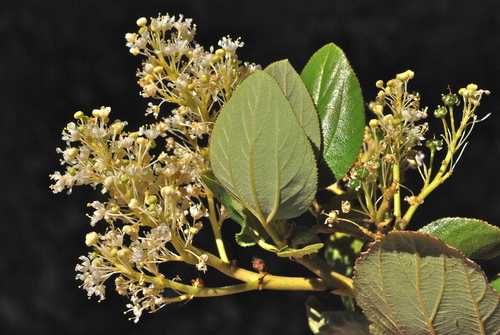
How to Identify Rhamnaceae

Rhamnaceae is a plant family in the Plantae kingdom, order Rosales, class Magnoliopsida. The family contains 192 accepted species worldwide. Some species in this family are toxic — exercise caution when handling unknown specimens.

Key Identification Features

For instant identification in the field, use the iNature app — AI-powered, works offline.
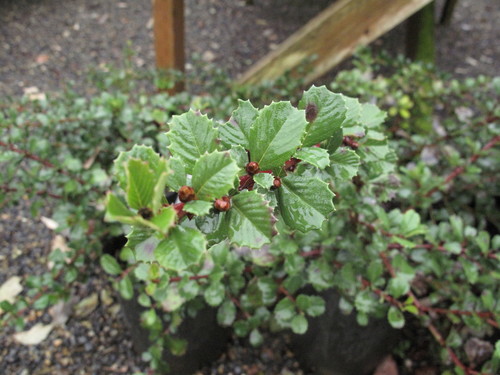
Representative Rhamnaceae Species

How to identify Ceanothus gloriosus Howell

Ceanothus gloriosus Howell

Ceanothus gloriosus Howell

Point Reyes ceanothus (Ceanothus gloriosus) is a California-endemic shrub widely…

How to identify Colubrina greggii S.Watson

Colubrina greggii S.Watson

Colubrina greggii S.Watson

Colubrina greggii is a flowering shrub or small tree native to northeastern Mexi…

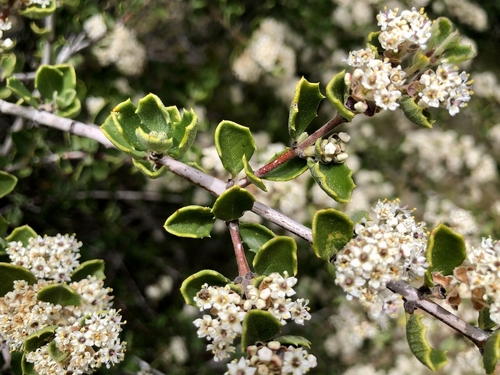
How to identify Pseudoziziphus parryi (Torr.) Hauenschild

Pseudoziziphus parryi (Torr.) Hauenschild

Pseudoziziphus parryi (Torr.) Hauenschild

Pseudoziziphus parryi is a thorny deciduous shrub native to desert and chaparral…

How to identify Ceanothus leucodermis Greene

Ceanothus leucodermis Greene

Ceanothus leucodermis Greene

Ceanothus leucodermis is a thorny evergreen shrub native to California and Baja …

How to identify Ceanothus arboreus Greene

Ceanothus arboreus Greene

Ceanothus arboreus Greene

Ceanothus arboreus is a flowering California Channel Island shrub commonly culti…

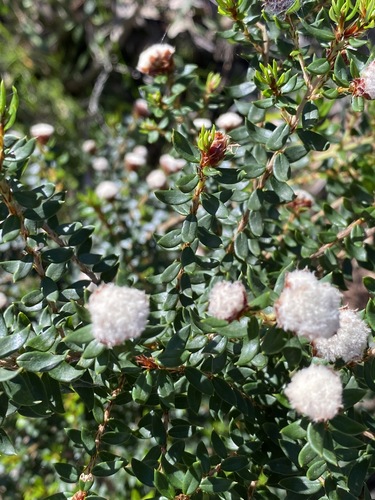
How to identify Spyridium scortechinii (F.Muell.) K.R.Thiele

Spyridium scortechinii (F.Muell.) K.R.Thiele

Spyridium scortechinii (F.Muell.) K.R.Thiele

Spyridium scortechinii is a small Australian shrub with woolly-haired flowers, w…

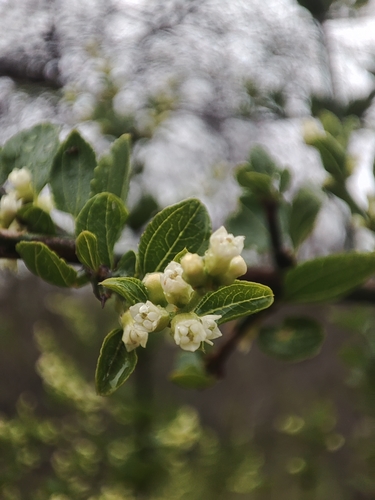
How to identify Retanilla trinervia (Miers ex Gillies & Hook.) Hook. & Arn.

Retanilla trinervia (Miers ex Gillies & Hook.) Hook. & Arn.

Retanilla trinervia (Miers ex Gillies & Hook.) Hook. & Arn.

Retanilla trinervia is a nitrogen-fixing dicot shrub or small tree in the Rhamna…

How to identify Ceanothus incanus Torr. & A.Gray

Ceanothus incanus Torr. & A.Gray

Ceanothus incanus Torr. & A.Gray

Ceanothus incanus Torr. & A.Gray is an erect thorny evergreen shrub with white f…

How to identify Ceanothus perplexans Trel.

Ceanothus perplexans Trel.

Ceanothus perplexans Trel.

Ceanothus perplexans is an evergreen shrub native to chaparral and desert scrub …

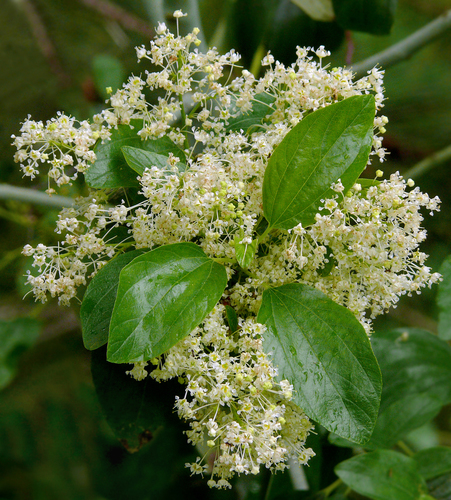
How to identify Hovenia dulcis Thunb.

Hovenia dulcis Thunb.

Hovenia dulcis Thunb.

Hovenia dulcis Thunb. is a deciduous tree with edible parts and many traditional…

How to identify Ceanothus impressus Trel.

Ceanothus impressus Trel.

Ceanothus impressus Trel.

Ceanothus impressus, or Santa Barbara ceanothus, is an endemic California chapar…

How to identify Ceanothus velutinus Douglas

Ceanothus velutinus Douglas

Ceanothus velutinus Douglas

Ceanothus velutinus is a nitrogen-fixing evergreen shrub native to western North…

Browse all 192 Rhamnaceae species →

Frequently Asked Questions

How do you identify Rhamnaceae?

Rhamnaceae plants belong to the Rosales order in the Plantae kingdom. trinervia is distinguished by its ability to fix nitrogen. For instant identification, use the iNature app — AI-powered and works offline.

What are the key characteristics of Rhamnaceae?

Rhamnaceae is classified in the order Rosales, class Magnoliopsida, phylum Tracheophyta. Its small, thick, leathery oppositely arranged leaves are a defining feature; the distinct cupped shape of its leaves inspired the plant's common name.

⚠️ Are any Rhamnaceae species poisonous?

Yes, some Rhamnaceae species are toxic or poisonous. Always exercise caution with unknown specimens. View poisonous Rhamnaceae species or browse the full poisonous species guide.

Sources: GBIF, iNaturalist, Wikipedia · Disclaimer

Start Exploring Nature Today

Download iNature for free. 10 identifications on us. No account needed. No credit card required.

Download Free on App Store