How to Identify Ranunculaceae — Buttercup Family

Ranunculaceae (Buttercup Family) is a plant family in the Plantae kingdom, order Ranunculales, class Magnoliopsida. The family contains 508 accepted species worldwide. Some species in this family are toxic — exercise caution when handling unknown specimens.

Key Identification Features

For instant identification in the field, use the iNature app — AI-powered, works offline.
Representative Ranunculaceae Species

How to identify Aquilegia desertorum (M.E.Jones) Cockerell ex A.Heller

Aquilegia desertorum (M.E.Jones) Cockerell ex A.Heller

Aquilegia desertorum (M.E.Jones) Cockerell ex A.Heller

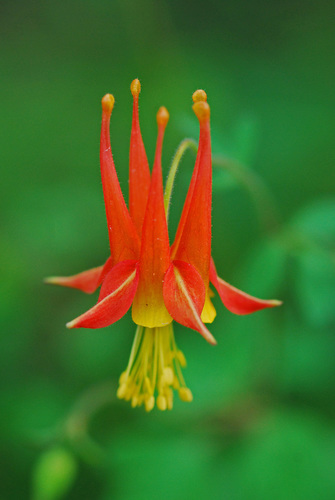
Aquilegia desertorum, the desert columbine, is a small non-upright red-flowered …

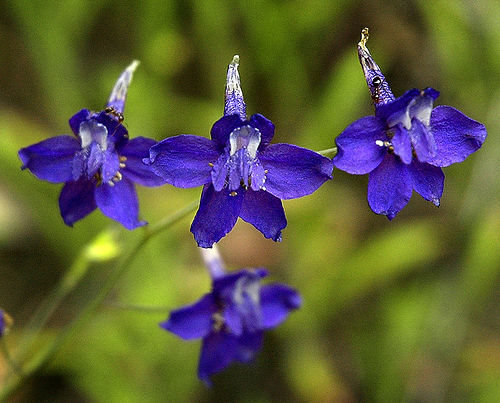
How to identify Delphinium patens Newb.

Delphinium patens Newb.

Delphinium patens Newb.

Delphinium patens, or zigzag/spreading larkspur, is a California wildflower lark…

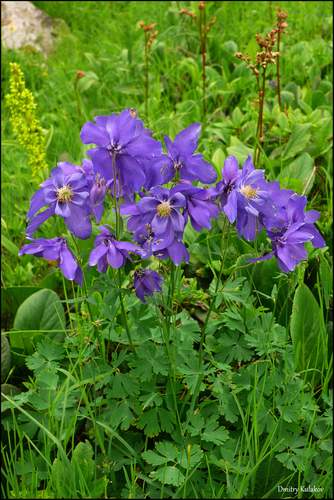
How to identify Aquilegia glandulosa Fisch.

Aquilegia glandulosa Fisch.

Aquilegia glandulosa Fisch.

Aquilegia glandulosa is a compact flowering columbine native to alpine areas of …

How to identify Ranunculus cassubicus L.

Ranunculus cassubicus L.

Ranunculus cassubicus L.

Ranunculus cassubicus is a flowering plant in the Ranunculaceae family native fr…

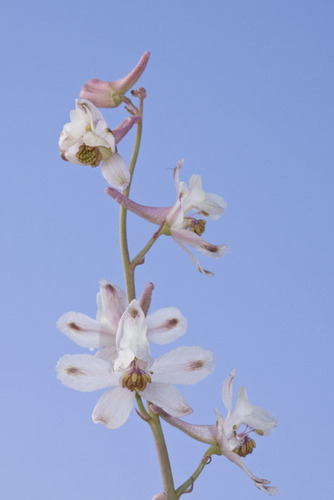
How to identify Delphinium gypsophilum Ewan

Delphinium gypsophilum Ewan

Delphinium gypsophilum Ewan

Delphinium gypsophilum, commonly gypsum-loving or Panoche Creek larkspur, is an …

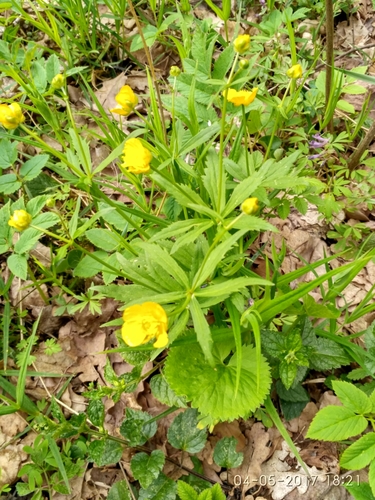
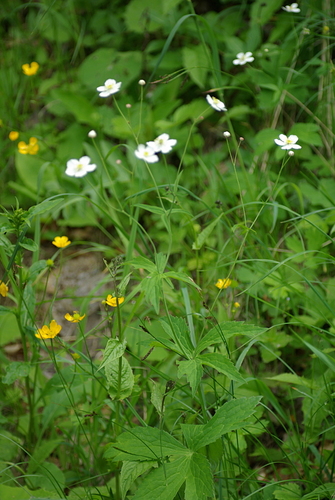
How to identify Ranunculus platanifolius L.

Ranunculus platanifolius L.

Ranunculus platanifolius L.

Ranunculus platanifolius (large white buttercup) is a toxic herbaceous European …

⚠️ Poisonous
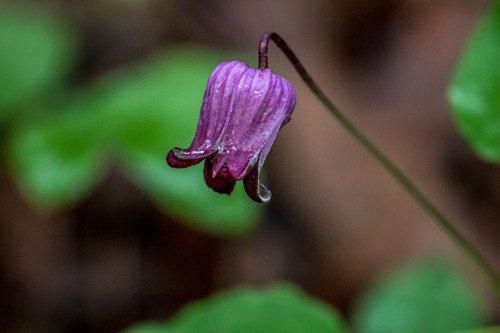
How to identify Clematis viorna L.

Clematis viorna L.

Clematis viorna L.

Clematis viorna L. (leatherflower) is a climbing vine native to the eastern and …

How to identify Clematis pitcheri Torr. & A.Gray

Clematis pitcheri Torr. & A.Gray

Clematis pitcheri Torr. & A.Gray

Clematis pitcheri, common name bluebill, is a herbaceous perennial vine in the b…

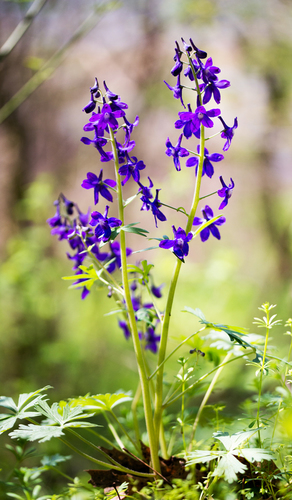
How to identify Delphinium tricorne Michx.

Delphinium tricorne Michx.

Delphinium tricorne Michx.

Delphinium tricorne is a poisonous perennial larkspur native to central and east…

⚠️ Poisonous
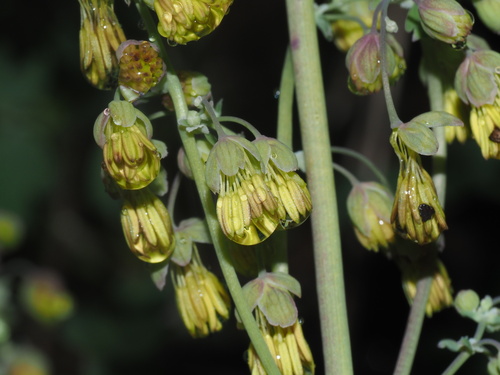
How to identify Thalictrum fendleri Engelm. ex A.Gray

Thalictrum fendleri Engelm. ex A.Gray

Thalictrum fendleri Engelm. ex A.Gray

Thalictrum fendleri is a dioecious perennial meadow rue herb native to western a…

How to identify Hepatica acutiloba DC.

Hepatica acutiloba DC.

Hepatica acutiloba DC.

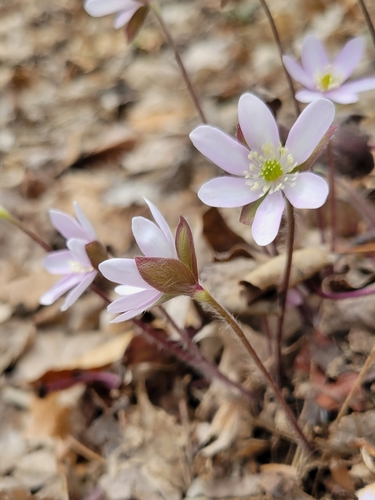
Sharp-lobed hepatica (Hepatica acutiloba) is a clumping spring-blooming buttercu…

How to identify Anemone tuberosa Rydb.

Anemone tuberosa Rydb.

Anemone tuberosa Rydb.

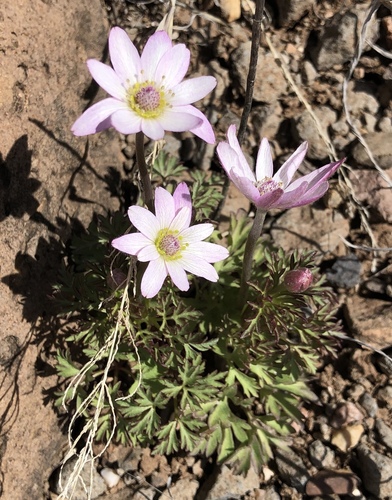
Anemone tuberosa, or desert anemone, is a herbaceous spring-flowering buttercup …

Browse all 508 Ranunculaceae species →

Frequently Asked Questions

How do you identify Ranunculaceae?

Ranunculaceae plants belong to the Ranunculales order in the Plantae kingdom. This species is very closely related to Aquilegia flabellata (fan columbine), but can be distinguished by its pubescent pistils and strongly hooked, incurved spurs. For instant identification, use the iNature app — AI-powered and works offline.

What are the key characteristics of Ranunculaceae?

Ranunculaceae is classified in the order Ranunculales, class Magnoliopsida, phylum Tracheophyta. Most leaves are divided into four to eight leaflets, with a terminal leaflet that resembles a tendril; some leaves do not split into distinct leaflets.

⚠️ Are any Ranunculaceae species poisonous?

Yes, some Ranunculaceae species are toxic or poisonous. Always exercise caution with unknown specimens. View poisonous Ranunculaceae species or browse the full poisonous species guide.

Sources: GBIF, iNaturalist, Wikipedia · Disclaimer

Start Exploring Nature Today

Download iNature for free. 10 identifications on us. No account needed. No credit card required.

Download Free on App Store