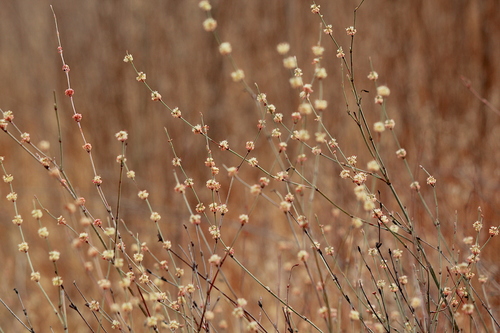
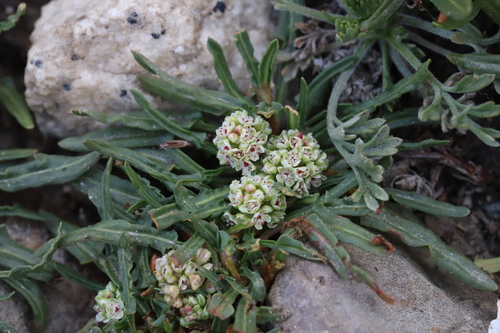
How to Identify Polygonaceae

Polygonaceae is a plant family in the Plantae kingdom, order Caryophyllales, class Magnoliopsida. The family contains 349 accepted species worldwide. Some species in this family are toxic — exercise caution when handling unknown specimens.

Key Identification Features

For instant identification in the field, use the iNature app — AI-powered, works offline.
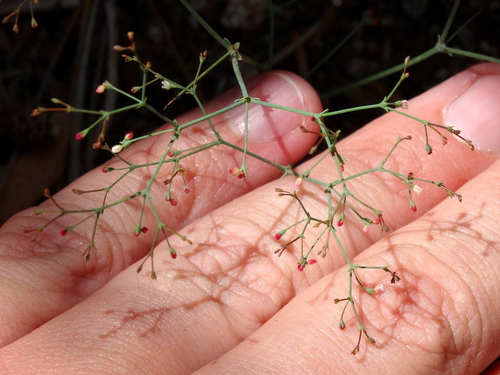
Representative Polygonaceae Species

How to identify Eriogonum parishii S.Watson

Eriogonum parishii S.Watson

Eriogonum parishii S.Watson

Eriogonum parishii is an annual herb native to mountain regions of California, B…

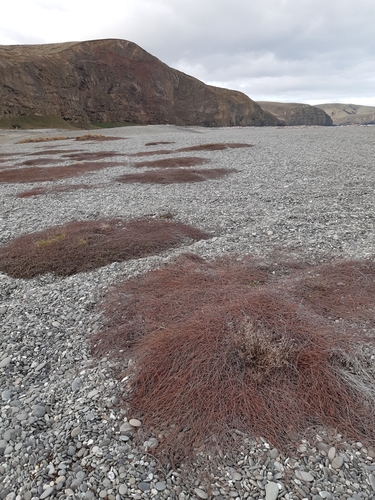
How to identify Muehlenbeckia ephedroides Hook.fil.

Muehlenbeckia ephedroides Hook.fil.

Muehlenbeckia ephedroides Hook.fil.

Muehlenbeckia ephedroides Hook.fil. is a low-growing New Zealand plant with spec…

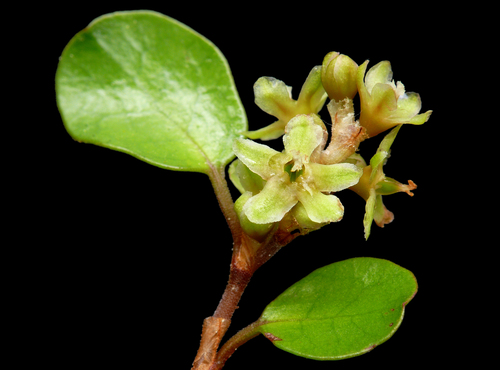
How to identify Muehlenbeckia complexa (A.Cunn.) Meisn.

Muehlenbeckia complexa (A.Cunn.) Meisn.

Muehlenbeckia complexa (A.Cunn.) Meisn.

Muehlenbeckia complexa is a semi-deciduous divaricate New Zealand native shrub w…

How to identify Persicaria arifolia (L.) Haraldson

Persicaria arifolia (L.) Haraldson

Persicaria arifolia (L.) Haraldson

Persicaria arifolia, or Halberd-leaf tearthumb, is an annual North American pink…

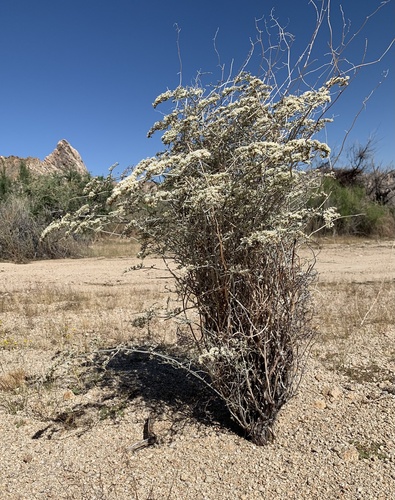
How to identify Eriogonum plumatella Durand & Hilg.

Eriogonum plumatella Durand & Hilg.

Eriogonum plumatella Durand & Hilg.

Eriogonum plumatella is a small narrow shrub with pale yellow or white flowers t…

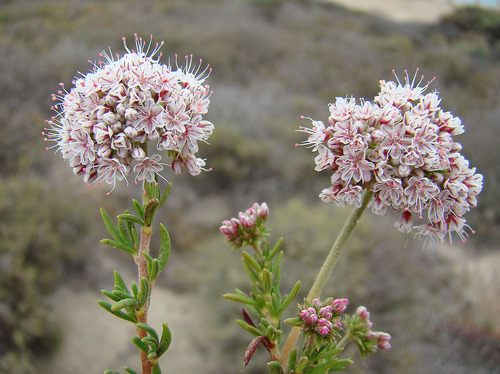
How to identify Eriogonum fasciculatum Benth.

Eriogonum fasciculatum Benth.

Eriogonum fasciculatum Benth.

Eriogonum fasciculatum Benth. is a variable native North American shrub widely c…

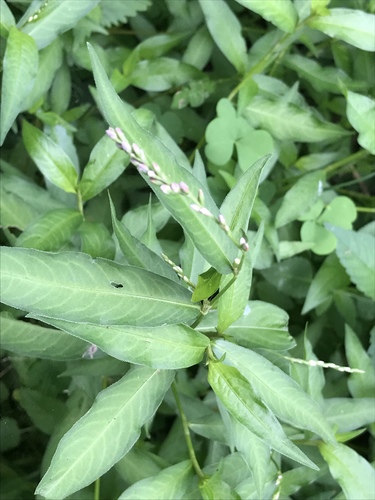
How to identify Persicaria mitis (Schrank) Assenov

Persicaria mitis (Schrank) Assenov

Persicaria mitis (Schrank) Assenov

Persicaria mitis (Schrank) Assenov is a European native flowering plant species …

How to identify Rumex pulcher L.

Rumex pulcher L.

Rumex pulcher L.

Rumex pulcher L., fiddle dock, is a variable perennial herb native to Eurasia an…

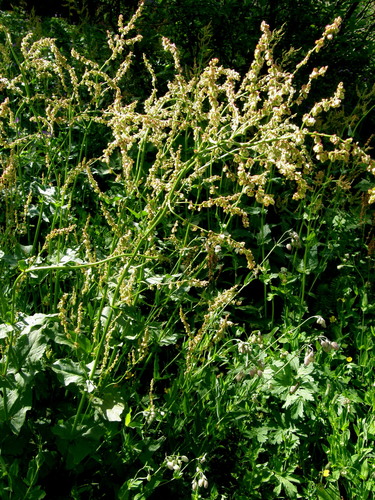
How to identify Rumex arifolius All.

Rumex arifolius All.

Rumex arifolius All.

Rumex arifolius All., also called maiden sorrel, is a flowering plant native to …

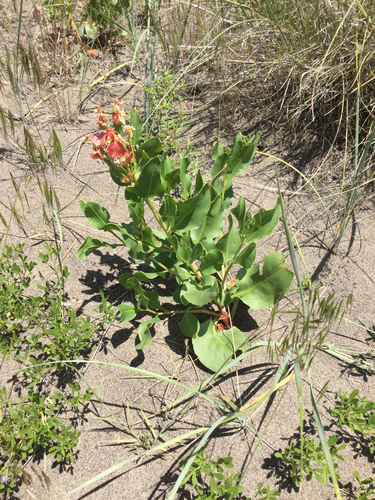
How to identify Rumex venosus Pursh

Rumex venosus Pursh

Rumex venosus Pursh

Rumex venosus Pursh is a perennial edible herb with pink mature flower sepals, u…

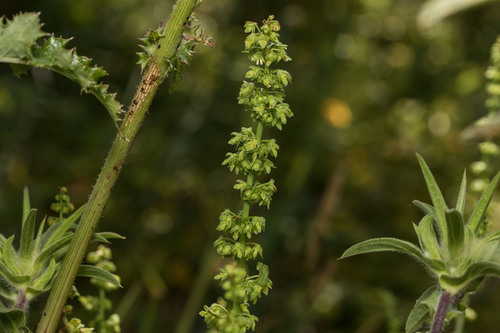
How to identify Eriogonum elongatum Benth.

Eriogonum elongatum Benth.

Eriogonum elongatum Benth.

Eriogonum elongatum is a pH-tolerant perennial herb native to California that su…

How to identify Knorringia sibirica (Laxm.) Tzvelev

Knorringia sibirica (Laxm.) Tzvelev

Knorringia sibirica (Laxm.) Tzvelev

Knorringia sibirica is a flowering plant in Polygonaceae, native from Siberia to…

Browse all 349 Polygonaceae species →

Frequently Asked Questions

How do you identify Polygonaceae?

Polygonaceae plants belong to the Caryophyllales order in the Plantae kingdom. It produces decumbent, spreading, or upright stems between 4 and 20 centimetres (1+1⁄2 to 8 inches) tall, and usually has a few branches. For instant identification, use the iNature app — AI-powered and works offline.

What are the key characteristics of Polygonaceae?

Polygonaceae is classified in the order Caryophyllales, class Magnoliopsida, phylum Tracheophyta. The family contains 349 accepted species worldwide.

⚠️ Are any Polygonaceae species poisonous?

Yes, some Polygonaceae species are toxic or poisonous. Always exercise caution with unknown specimens. View poisonous Polygonaceae species or browse the full poisonous species guide.

Sources: GBIF, iNaturalist, Wikipedia · Disclaimer

Start Exploring Nature Today

Download iNature for free. 10 identifications on us. No account needed. No credit card required.

App Store
Scan to download from App Store

Scan with iPhone camera

Google Play
Scan to download from Google Play

Scan with Android camera