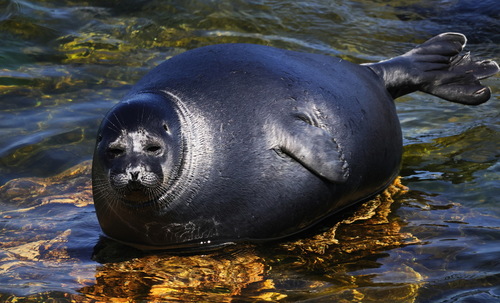
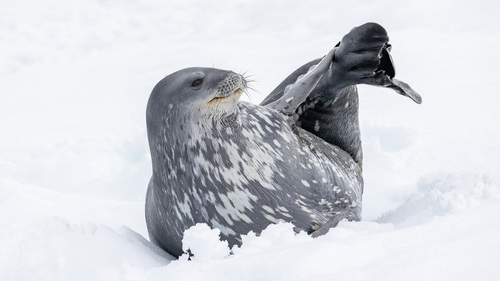
How to Identify Phocidae

Phocidae is a animal family in the Animalia kingdom, order Carnivora, class Mammalia. The family contains 14 accepted species worldwide.

Key Identification Features

For instant identification in the field, use the iNature app — AI-powered, works offline.

Representative Phocidae Species

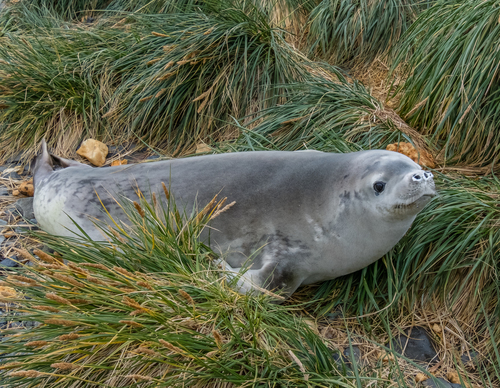
How to identify Hydrurga leptonyx (de Blainville, 1820)

Hydrurga leptonyx (de Blainville, 1820)

Hydrurga leptonyx (de Blainville, 1820)

Leopard seals (Hydrurga leptonyx) are large ice-loving Antarctic top predators w…

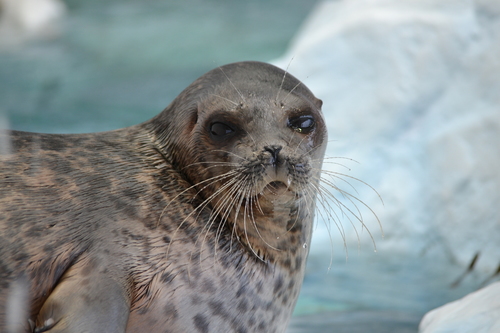
How to identify Phoca largha Pallas, 1811

Phoca largha Pallas, 1811

Phoca largha Pallas, 1811

Phoca largha, the spotted seal, is an intermediate-sized arctic true seal with c…

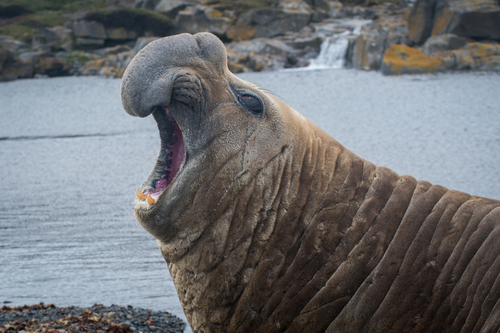
How to identify Mirounga leonina (Linnaeus, 1758)

Mirounga leonina (Linnaeus, 1758)

Mirounga leonina (Linnaeus, 1758)

Mirounga leonina, the southern elephant seal, is an extremely size-dimorphic pin…

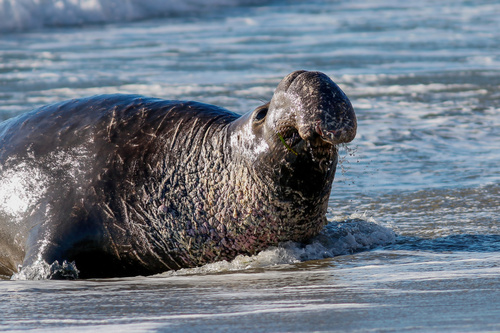
How to identify Mirounga angustirostris (Gill, 1866)

Mirounga angustirostris (Gill, 1866)

Mirounga angustirostris (Gill, 1866)

Mirounga angustirostris, the northern elephant seal, is a sexually dimorphic pin…

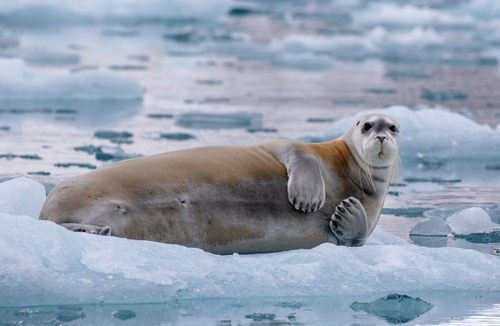
How to identify Erignathus barbatus (Erxleben, 1777)

Erignathus barbatus (Erxleben, 1777)

Erignathus barbatus (Erxleben, 1777)

Bearded seal (Erignathus barbatus) is an earless Arctic/Subarctic seal, with key…

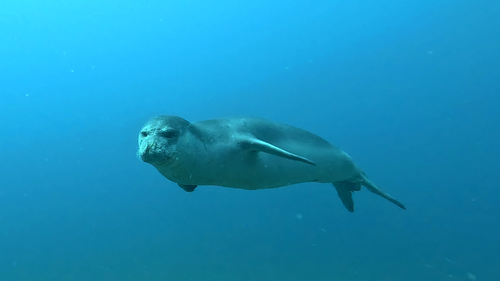
How to identify Monachus monachus (Hermann, 1779)

Monachus monachus (Hermann, 1779)

Monachus monachus (Hermann, 1779)

Monachus monachus, the Mediterranean monk seal, is an endangered earless seal wi…

How to identify Pusa hispida (Schreber, 1775)

Pusa hispida (Schreber, 1775)

Pusa hispida (Schreber, 1775)

Pusa hispida, the ringed seal, is a small Arctic true seal adapted to live in ic…

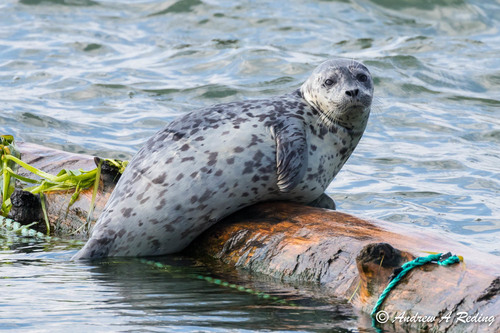
How to identify Phoca vitulina Linnaeus, 1758

Phoca vitulina Linnaeus, 1758

Phoca vitulina Linnaeus, 1758

Phoca vitulina, the harbor seal, is a true seal with distinct spotted coats, fou…

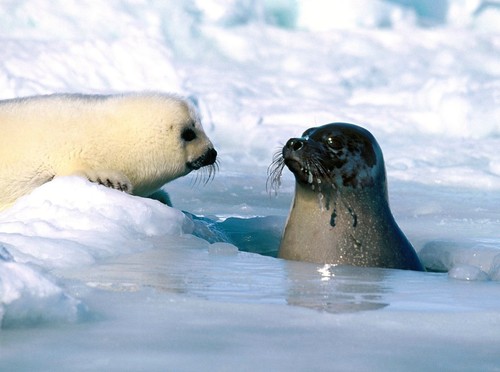
How to identify Pagophilus groenlandicus (Erxleben, 1777)

Pagophilus groenlandicus (Erxleben, 1777)

Pagophilus groenlandicus (Erxleben, 1777)

Pagophilus groenlandicus, the harp seal, is an ice-breeding pinniped native to t…

How to identify Lobodon carcinophaga (Hombron & Jacquinot, 1842)

Lobodon carcinophaga (Hombron & Jacquinot, 1842)

Lobodon carcinophaga (Hombron & Jacquinot, 1842)

This species profile covers the physical traits, dentition, distribution, and po…

How to identify Pusa sibirica (Gmelin, 1788)

Pusa sibirica (Gmelin, 1788)

Pusa sibirica (Gmelin, 1788)

Pusa sibirica, the Baikal seal, is a small endemic true seal that lives only in …

How to identify Leptonychotes weddellii (Lesson, 1826)

Leptonychotes weddellii (Lesson, 1826)

Leptonychotes weddellii (Lesson, 1826)

Leptonychotes weddellii (Weddell seal) is a large seal species with distinct phy…

Browse all 14 Phocidae species →

Frequently Asked Questions

How do you identify Phocidae?

Phocidae animals belong to the Carnivora order in the Animalia kingdom. The leopard seal (Hydrurga leptonyx, first described by de Blainville in 1820) has a distinctly long, muscular body compared to other seals. For instant identification, use the iNature app — AI-powered and works offline.

What are the key characteristics of Phocidae?

Phocidae is classified in the order Carnivora, class Mammalia, phylum Chordata. The species is best known for its massive jaws, which allow it to be one of the top predators in its habitat.

Sources: GBIF, iNaturalist, Wikipedia · Disclaimer

Start Exploring Nature Today

Download iNature for free. 10 identifications on us. No account needed. No credit card required.

Download Free on App Store