How to Identify Orchidaceae — Orchid Family

Orchidaceae (Orchid Family) is a plant family in the Plantae kingdom, order Asparagales, class Liliopsida. The family contains 1,416 accepted species worldwide. Some species in this family are toxic — exercise caution when handling unknown specimens.

Key Identification Features

For instant identification in the field, use the iNature app — AI-powered, works offline.
Representative Orchidaceae Species

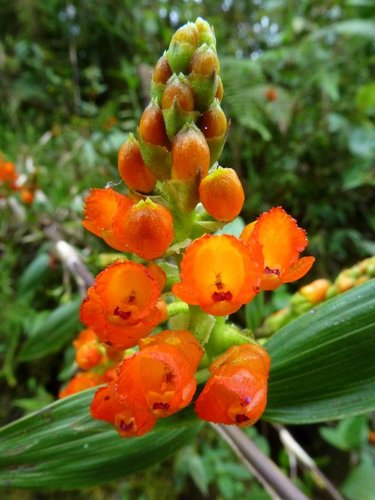
How to identify Elleanthus aurantiacus (Lindl.) Rchb.f.

Elleanthus aurantiacus (Lindl.) Rchb.f.

Elleanthus aurantiacus (Lindl.) Rchb.f.

Elleanthus aurantiacus is a unique branching shrub epiphytic orchid native to we…

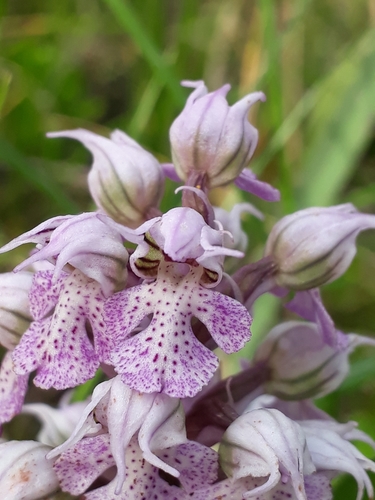
How to identify Neotinea lactea (Poir.) R.M.Bateman, Pridgeon & M.W.Chase

Neotinea lactea (Poir.) R.M.Bateman, Pridgeon & M.W.Chase

Neotinea lactea (Poir.) R.M.Bateman, Pridgeon & M.W.Chase

Neotinea lactea is a small geophytic orchid that grows in dry, calcareous sunny …

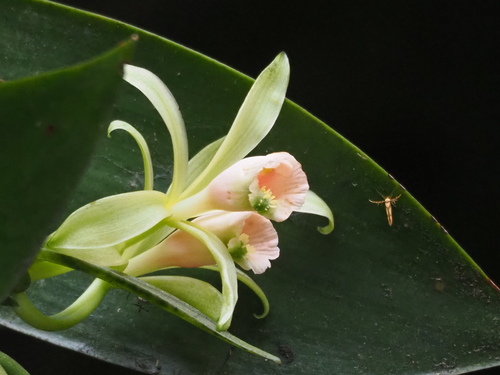
How to identify Vanilla somae Hayata

Vanilla somae Hayata

Vanilla somae Hayata

Vanilla somae is a Vanilla species native to Taiwan, northern Vietnam and Laos, …

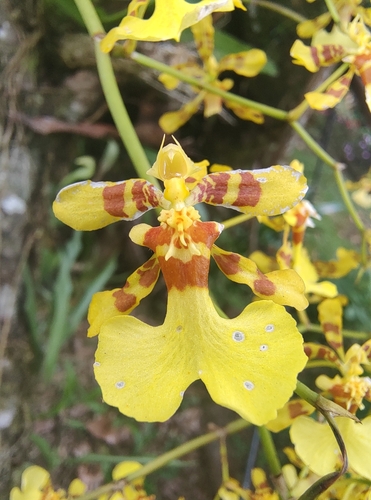
How to identify Oncidium obryzatum Rchb.f. & Warsz.

Oncidium obryzatum Rchb.f. & Warsz.

Oncidium obryzatum Rchb.f. & Warsz.

Oncidium obryzatum is a 1854-described flowering orchid species native to five c…

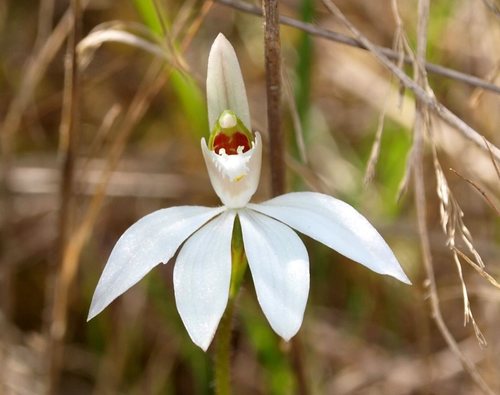
How to identify Caladenia catenata (Sm.) Druce

Caladenia catenata (Sm.) Druce

Caladenia catenata (Sm.) Druce

Caladenia catenata is a species of terrestrial orchid found in south-eastern Aus…

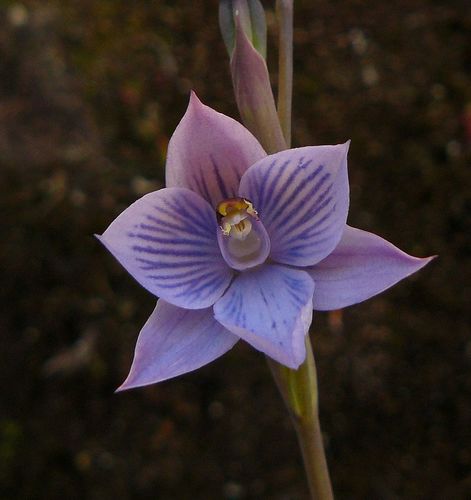
How to identify Thelymitra pulchella Hook.f.

Thelymitra pulchella Hook.f.

Thelymitra pulchella Hook.f.

Thelymitra pulchella, the striped sun orchid, is a tuberous perennial herb found…

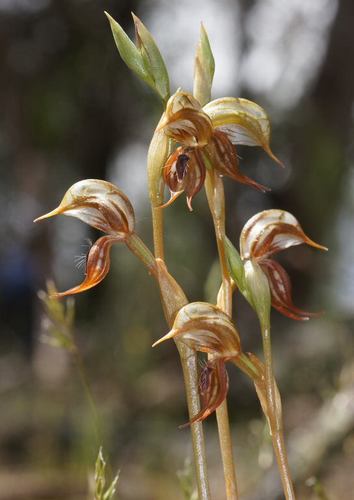
How to identify Pterostylis hamata Blackmore & Clemesha

Pterostylis hamata Blackmore & Clemesha

Pterostylis hamata Blackmore & Clemesha

Pterostylis hamata is a tuberous terrestrial orchid that grows in open forest ro…

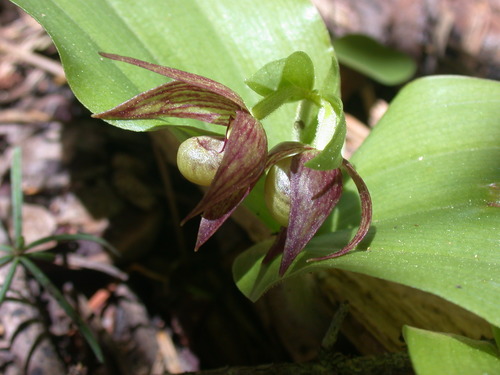
How to identify Cypripedium fasciculatum Kellogg

Cypripedium fasciculatum Kellogg

Cypripedium fasciculatum Kellogg

Cypripedium fasciculatum is an orchid native to mountain coniferous forests of t…

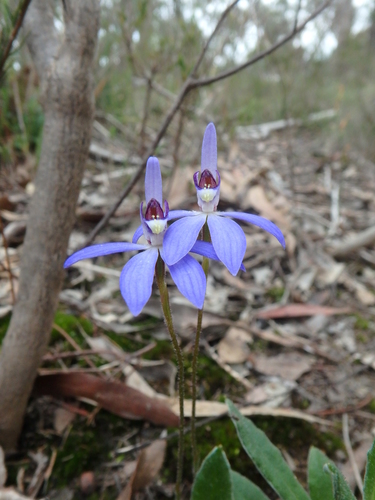
How to identify Caladenia caerulea R.Br.

Caladenia caerulea R.Br.

Caladenia caerulea R.Br.

Caladenia caerulea is a small terrestrial orchid from south-eastern Australia wi…

How to identify Stelis megachlamys (Schltr.) Pupulin

Stelis megachlamys (Schltr.) Pupulin

Stelis megachlamys (Schltr.) Pupulin

Stelis megachlamys is an orchid species native to Guatemala, Belize, Costa Rica,…

How to identify Calopogon multiflorus Lindl.

Calopogon multiflorus Lindl.

Calopogon multiflorus Lindl.

Calopogon multiflorus is an imperiled orchid native to the southeastern US that …

How to identify Zygopetalum maculatum (Kunth) Garay

Zygopetalum maculatum (Kunth) Garay

Zygopetalum maculatum (Kunth) Garay

Zygopetalum maculatum is an orchid that bears fragrant marked green flowers with…

Browse all 1,416 Orchidaceae species →

Frequently Asked Questions

How do you identify Orchidaceae?

Orchidaceae plants belong to the Asparagales order in the Plantae kingdom. The scientific names Vanilla albida and Vanilla griffithii are sometimes incorrectly used for this species, but all three are actually distinct species. For instant identification, use the iNature app — AI-powered and works offline.

What are the key characteristics of Orchidaceae?

Orchidaceae is classified in the order Asparagales, class Liliopsida, phylum Tracheophyta. This species of Caladenia is similar to Caladenia carnea, but can be distinguished by the absence of red and white bars on its labellum.

⚠️ Are any Orchidaceae species poisonous?

Yes, some Orchidaceae species are toxic or poisonous. Always exercise caution with unknown specimens. View poisonous Orchidaceae species or browse the full poisonous species guide.

Sources: GBIF, iNaturalist, Wikipedia · Disclaimer

Start Exploring Nature Today

Download iNature for free. 10 identifications on us. No account needed. No credit card required.

Download Free on App Store