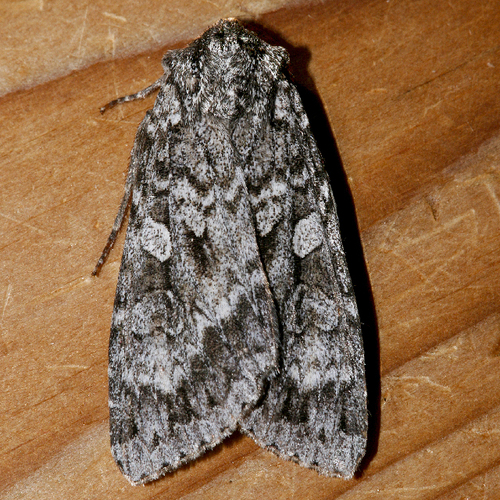
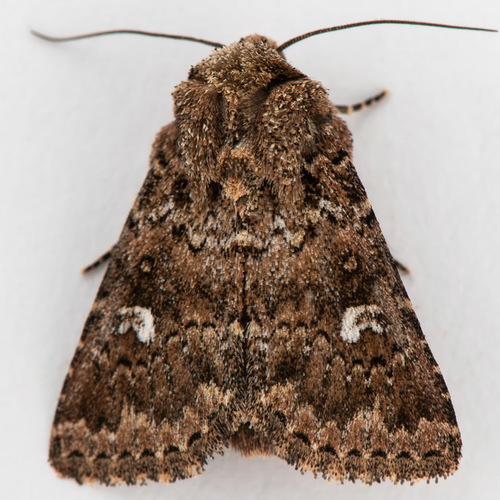
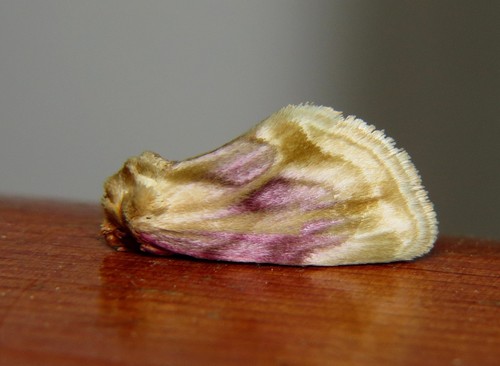
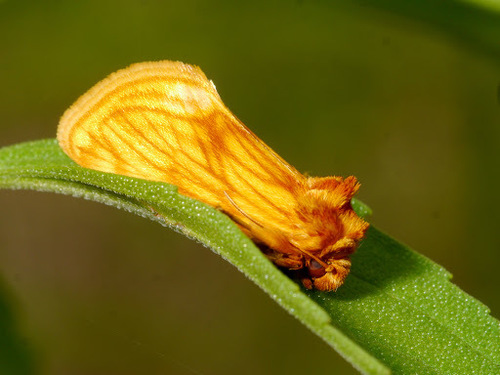
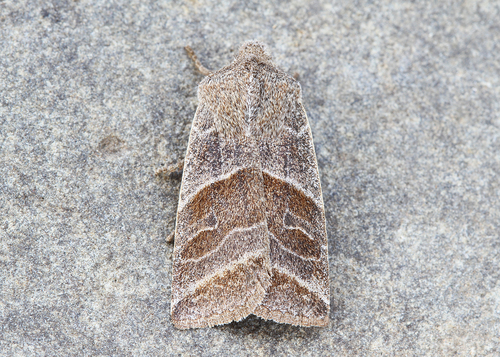
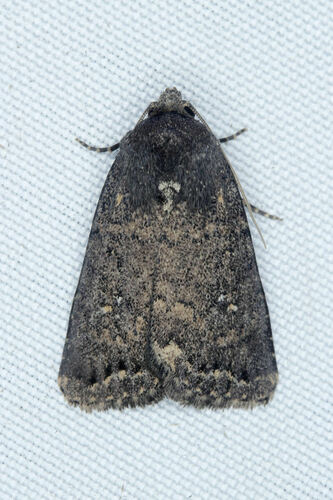
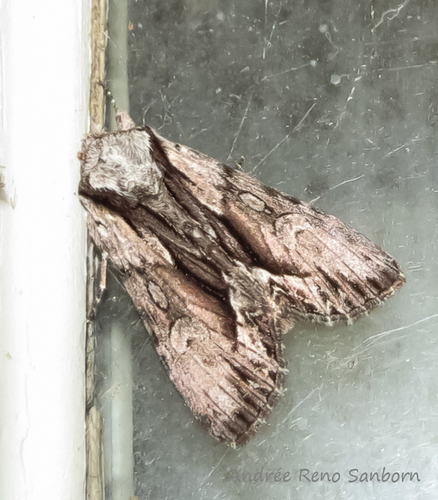
How to Identify Noctuidae — Owlet Moth Family

Noctuidae (Owlet Moth Family) is a animal family in the Animalia kingdom, order Lepidoptera, class Insecta. The family contains 1,495 accepted species worldwide.

Key Identification Features

For instant identification in the field, use the iNature app — AI-powered, works offline.
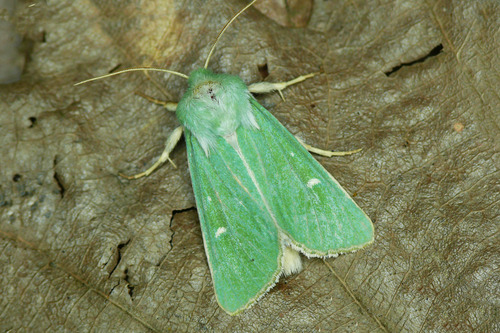
Representative Noctuidae Species

How to identify Calamia tridens Hufnagel, 1766

Calamia tridens Hufnagel, 1766

Calamia tridens Hufnagel, 1766

Calamia tridens Hufnagel, 1766 is a Palearctic moth species with described size …

How to identify Heliocheilus toralis Grote, 1881

Heliocheilus toralis Grote, 1881

Heliocheilus toralis Grote, 1881

Heliocheilus toralis is a Noctuidae moth found in North America with a 23–25 mm …

How to identify Eugnorisma glareosa Esper, 1788

Eugnorisma glareosa Esper, 1788

Eugnorisma glareosa Esper, 1788

Eugnorisma glareosa is a variable, widely distributed Atlantic-Mediterranean mot…

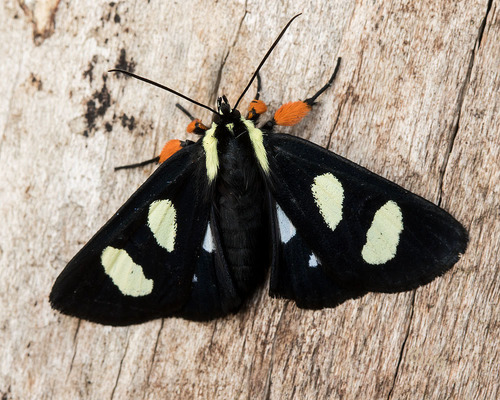
How to identify Alypia octomaculata Fabricius, 1775

Alypia octomaculata Fabricius, 1775

Alypia octomaculata Fabricius, 1775

Alypia octomaculata Fabricius, 1775 is a black eight-spotted moth active day and…

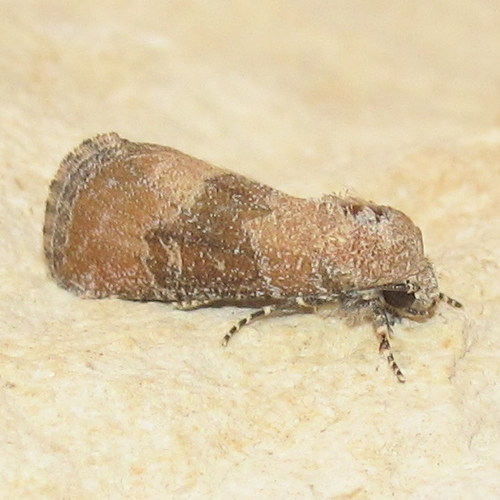
How to identify Plagiomimicus navia Harvey, 1875

Plagiomimicus navia Harvey, 1875

Plagiomimicus navia Harvey, 1875

Plagiomimicus navia is an owlet moth species in the Noctuidae family with the MO…

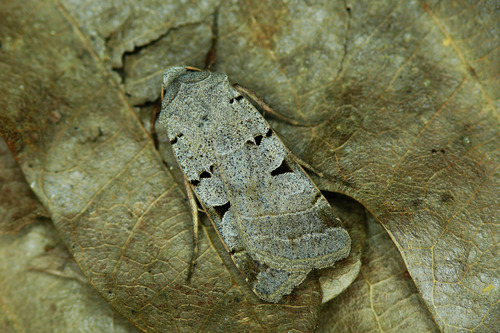
How to identify Eurois occulta Linnaeus, 1758

Eurois occulta Linnaeus, 1758

Eurois occulta Linnaeus, 1758

Eurois occulta is a moth species with varying forms whose outbreaks have been li…

How to identify Properigea albimacula Barnes & McDunnough, 1912

Properigea albimacula Barnes & McDunnough, 1912

Properigea albimacula Barnes & McDunnough, 1912

Properigea albimacula is a moth identifiable by a white-filled forewing spot, fo…

How to identify Chamaeclea basiochrea Barnes & McDunnough, 1916

Chamaeclea basiochrea Barnes & McDunnough, 1916

Chamaeclea basiochrea Barnes & McDunnough, 1916

Chamaeclea basiochrea is an owlet moth species found in North America, first des…

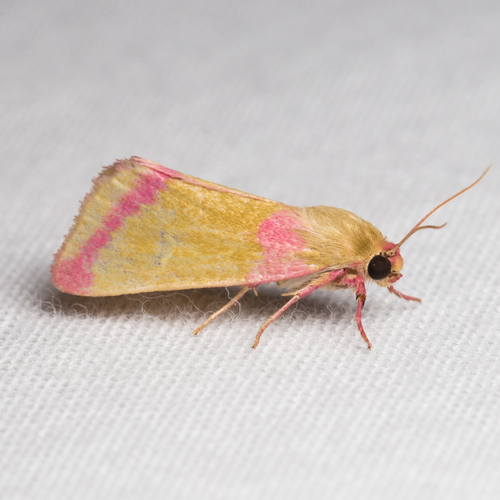
How to identify Cirrhophanus pretiosa Morrison, 1875

Cirrhophanus pretiosa Morrison, 1875

Cirrhophanus pretiosa Morrison, 1875

Cirrhophanus pretiosa is a Noctuidae moth found in North America, restored to fu…

How to identify Eupsilia devia Grote, 1875

Eupsilia devia Grote, 1875

Eupsilia devia Grote, 1875

Eupsilia devia, the lost sallow, is a Noctuidae cutworm/dart moth found in North…

How to identify Caradrina germainii (Duponchel, 1835)

Caradrina germainii (Duponchel, 1835)

Caradrina germainii (Duponchel, 1835)

Caradrina germainii is a noctuid moth found in south-western Europe and North Af…

How to identify Hyppa xylinoides Guenée, 1852

Hyppa xylinoides Guenée, 1852

Hyppa xylinoides Guenée, 1852

Hyppa xylinoides, the common hyppa or cranberry cutworm, is a Noctuidae cutworm/…

Browse all 1,495 Noctuidae species →

Frequently Asked Questions

How do you identify Noctuidae?

Noctuidae animals belong to the Lepidoptera order in the Animalia kingdom. Its forewings are most commonly pale grey, with a distinct pattern of a row of three angular black marks. For instant identification, use the iNature app — AI-powered and works offline.

What are the key characteristics of Noctuidae?

Noctuidae is classified in the order Lepidoptera, class Insecta, phylum Arthropoda. Identification: Properigea albimacula can be recognized by its small to medium size, and warm brown forewing with a reniform spot completely filled with pure white.

Sources: GBIF, iNaturalist, Wikipedia · Disclaimer

Start Exploring Nature Today

Download iNature for free. 10 identifications on us. No account needed. No credit card required.

Download Free on App Store