How to Identify Muscicapidae

Muscicapidae is a animal family in the Animalia kingdom, order Passeriformes, class Aves. The family contains 194 accepted species worldwide.

Key Identification Features

For instant identification in the field, use the iNature app — AI-powered, works offline.
Representative Muscicapidae Species

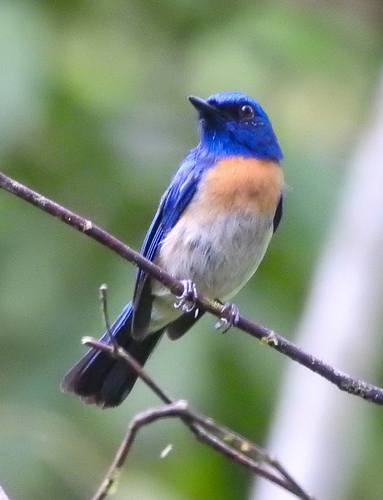
How to identify Cyornis turcosus Bruggemann, 1877

Cyornis turcosus Bruggemann, 1877

Cyornis turcosus Bruggemann, 1877

The Malaysian blue flycatcher (Cyornis turcosus) is a Muscicapidae bird found in…

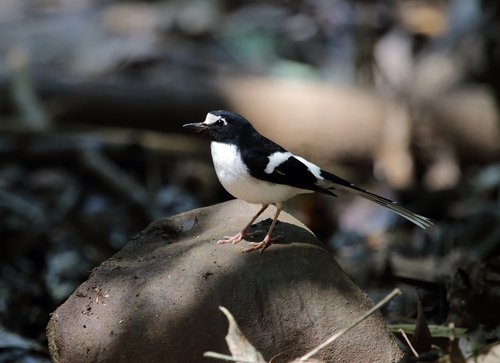
How to identify Enicurus immaculatus (Hodgson, 1836)

Enicurus immaculatus (Hodgson, 1836)

Enicurus immaculatus (Hodgson, 1836)

Enicurus immaculatus, the black-backed forktail, is a medium-sized bird found ac…

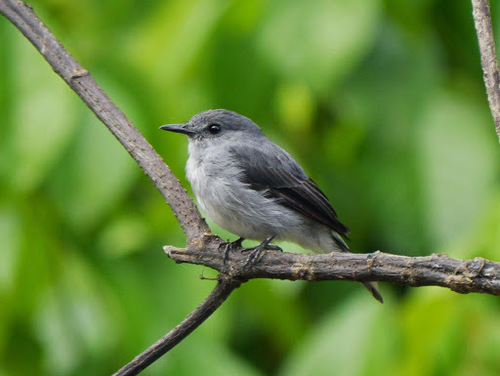
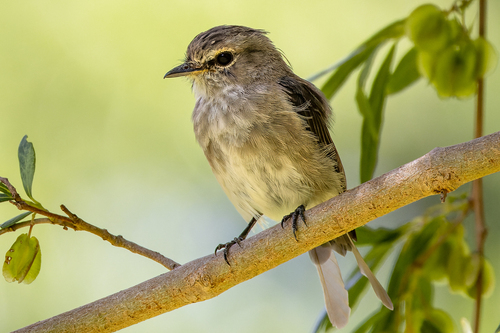
How to identify Muscicapa cassini Heine, 1860

Muscicapa cassini Heine, 1860

Muscicapa cassini Heine, 1860

Cassin's flycatcher is a Muscicapidae bird native to African tropical rainforest…

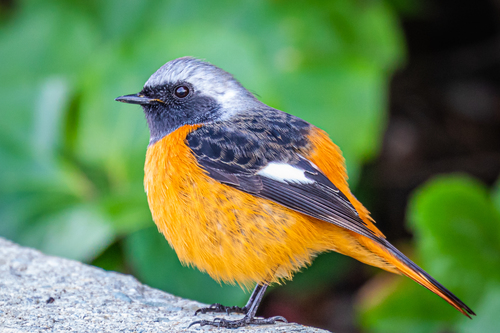
How to identify Phoenicurus auroreus (Pallas, 1776)

Phoenicurus auroreus (Pallas, 1776)

Phoenicurus auroreus (Pallas, 1776)

Phoenicurus auroreus, the Daurian redstart, is a common sexually dimorphic migra…

How to identify Fraseria ocreata (Strickland, 1844)

Fraseria ocreata (Strickland, 1844)

Fraseria ocreata (Strickland, 1844)

Fraseria ocreata, or Fraser's forest flycatcher, is a Muscicapidae bird found in…

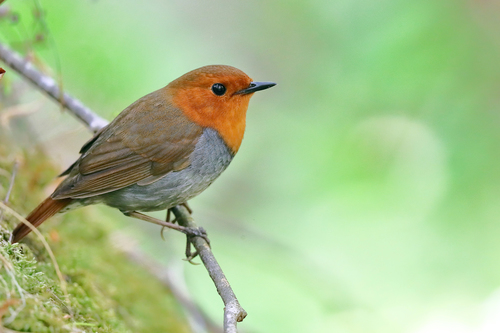
How to identify Erithacus akahige (Temminck, 1835)

Erithacus akahige (Temminck, 1835)

Erithacus akahige (Temminck, 1835)

Erithacus akahige, the Japanese robin, is a small bird found in Japan and winter…

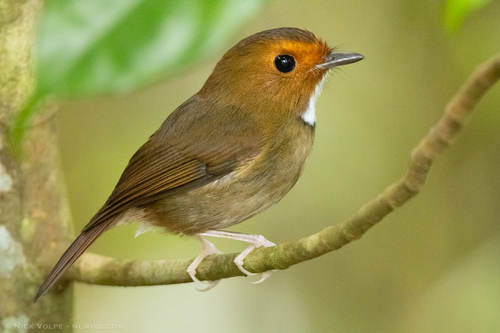
How to identify Anthipes solitaris (S.Muller, 1836)

Anthipes solitaris (S.Muller, 1836)

Anthipes solitaris (S.Muller, 1836)

The rufous-browed flycatcher (Anthipes solitaris) is a Muscicapidae bird native …

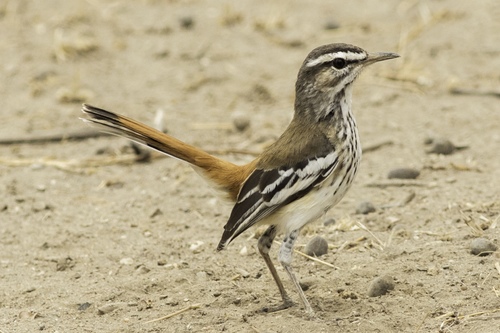
How to identify Erythropygia leucophrys (Vieillot, 1817)

Erythropygia leucophrys (Vieillot, 1817)

Erythropygia leucophrys (Vieillot, 1817)

Erythropygia leucophrys, the white-browed scrub robin, is a small African songbi…

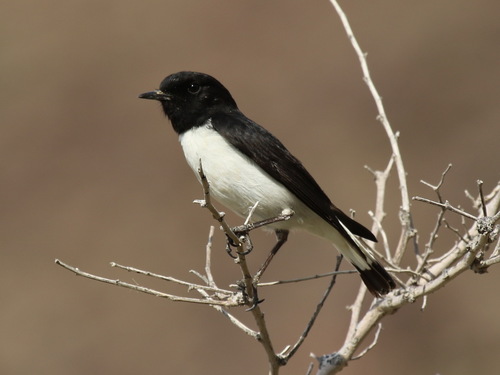
How to identify Oenanthe albonigra (Hume, 1872)

Oenanthe albonigra (Hume, 1872)

Oenanthe albonigra (Hume, 1872)

Oenanthe albonigra, or Hume's wheatear, is a large wheatear with distinct black-…

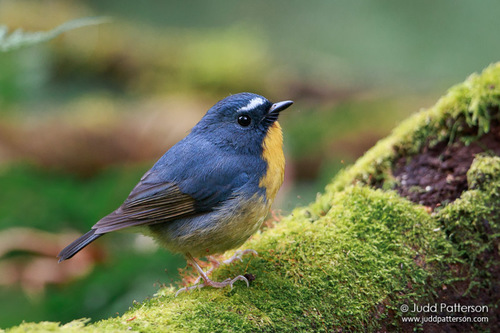
How to identify Ficedula hyperythra (Blyth, 1843)

Ficedula hyperythra (Blyth, 1843)

Ficedula hyperythra (Blyth, 1843)

Ficedula hyperythra, the snowy-browed flycatcher, is an Old World flycatcher wit…

How to identify Muscicapa adusta (F.Boie, 1828)

Muscicapa adusta (F.Boie, 1828)

Muscicapa adusta (F.Boie, 1828)

Muscicapa adusta, the African dusky flycatcher, is a small brown passerine with …

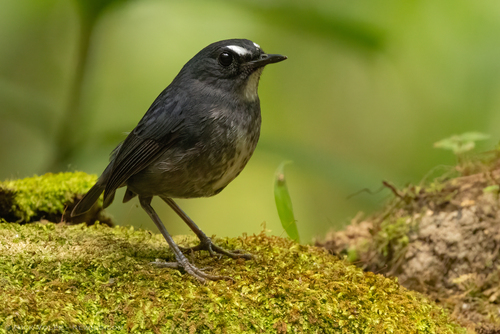
How to identify Brachypteryx leucophris (Temminck, 1828)

Brachypteryx leucophris (Temminck, 1828)

Brachypteryx leucophris (Temminck, 1828)

Brachypteryx leucophris, the lesser shortwing, is a Muscicapidae chat species fo…

Browse all 194 Muscicapidae species →

Frequently Asked Questions

How do you identify Muscicapidae?

Muscicapidae animals belong to the Passeriformes order in the Animalia kingdom. Females are slightly paler than males, and have a whitish throat, while males have a blue throat; the two sexes are quite similar in all other features. For instant identification, use the iNature app — AI-powered and works offline.

What are the key characteristics of Muscicapidae?

Muscicapidae is classified in the order Passeriformes, class Aves, phylum Chordata. Unlike many other blue flycatcher species, the Malaysian blue flycatcher has a fairly uniformly blue head, with no distinct bold lighter or darker patches.

Sources: GBIF, iNaturalist, Wikipedia · Disclaimer

Start Exploring Nature Today

Download iNature for free. 10 identifications on us. No account needed. No credit card required.

Download Free on App Store