Key Identification Features
- Its basal leaves are linear, and often have an indistinct petiole.
For instant identification in the field, use the iNature app — AI-powered, works offline.
Montiaceae is a plant family in the Plantae kingdom, order Caryophyllales, class Magnoliopsida. The family contains 65 accepted species worldwide. Some species in this family are toxic — exercise caution when handling unknown specimens.
For instant identification in the field, use the iNature app — AI-powered, works offline.
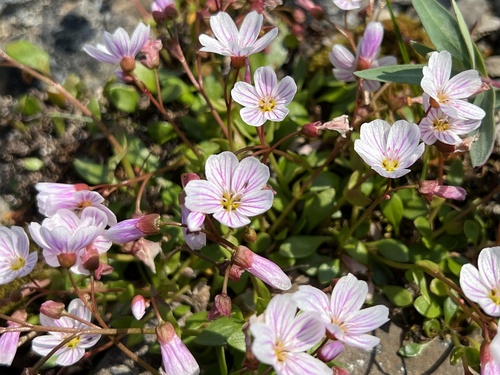
Claytonia sarmentosa C.A.Mey.
Claytonia sarmentosa is a widespread flowering plant with a history of unresolve…
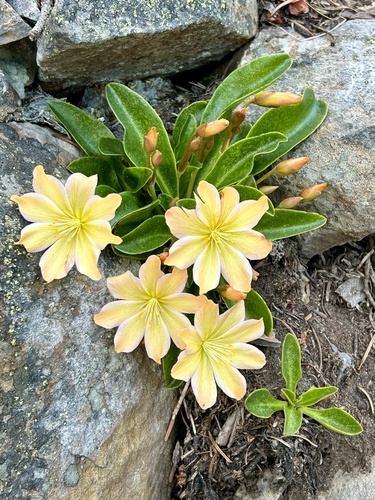
Lewisiopsis tweedyi (A.Gray) Govaerts
Lewisiopsis tweedyi is a showy perennial succulent endemic to parts of Washingto…
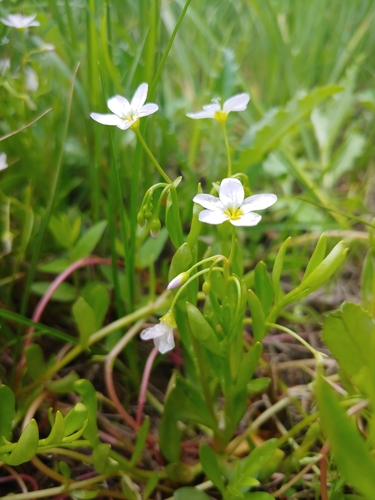
Montia chamissoi (Ledeb. ex Spreng.) Greene
Montia chamissoi is a small North American perennial herb that is endangered in …
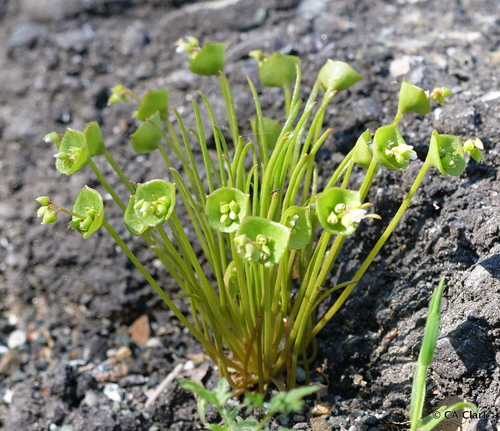
Claytonia parviflora Douglas ex Hook.
Claytonia parviflora is an annual herb with four recognized subspecies, includin…
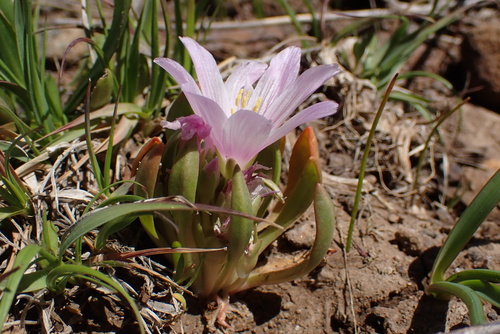
Lewisia brachycalyx Engelm. ex A.Gray
Lewisia brachycalyx is a deciduous perennial alpine plant that has won the RHS A…
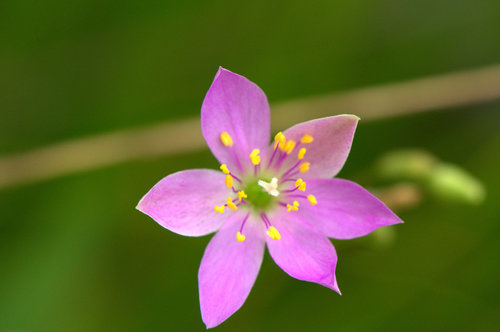
Phemeranthus rugospermus (Holz.) Kiger
Phemeranthus rugospermus is a short-lived flowering perennial herb native to ope…
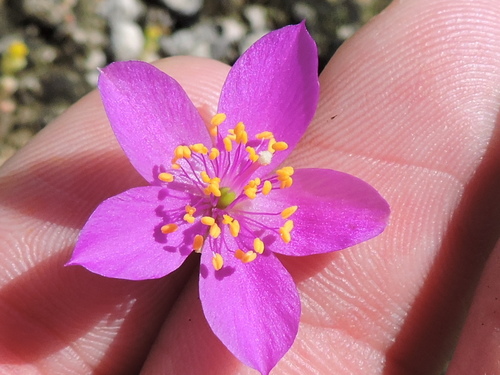
Phemeranthus calcaricus (S.Ware) Kiger
Phemeranthus calcaricus, the limestone fameflower, is a small succulent perennia…
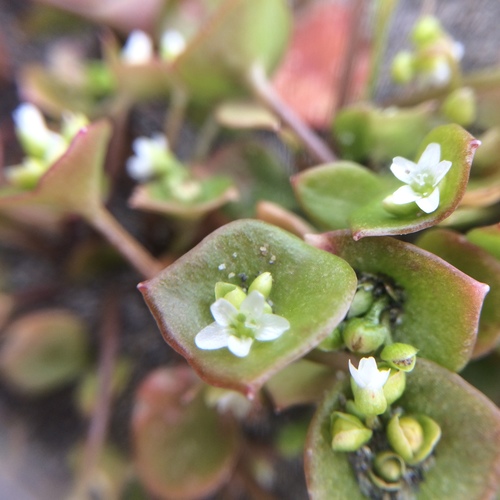
Claytonia rubra (Howell) Tidestr.
Claytonia rubra (redstem springbeauty) is a small annual/biennial flowering plan…
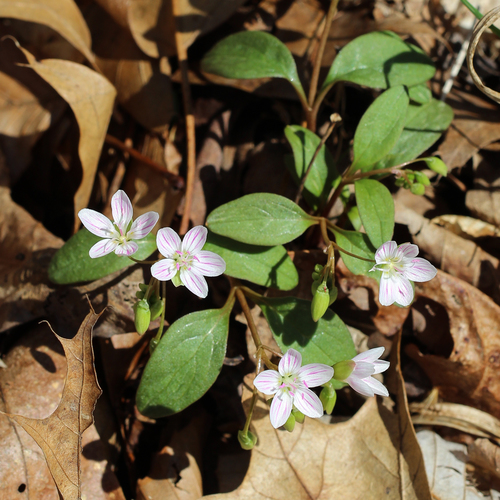
Claytonia caroliniana Michx.
Claytonia caroliniana is an early woodland spring ephemeral edible perennial her…
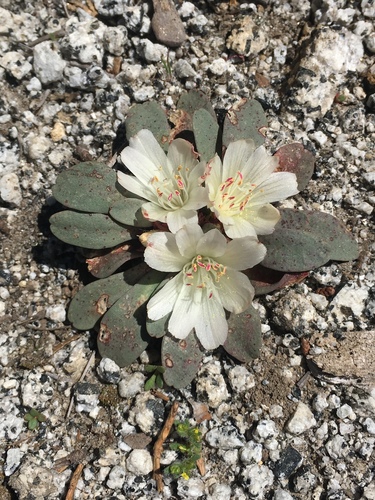
Lewisia kelloggii K.Brandegee
Lewisia kelloggii, or Kellogg's lewisia, is a perennial flowering plant endemic …
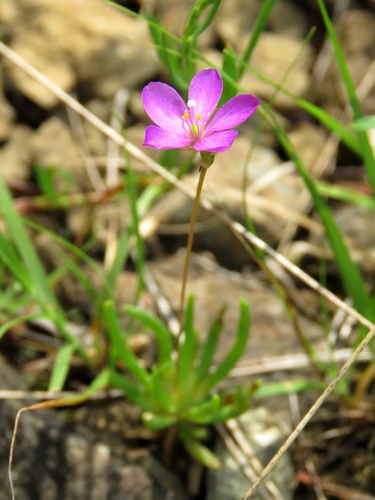
Phemeranthus teretifolius Raf.
Phemeranthus teretifolius, or Quill Fameflower, is a short-lived succulent endem…
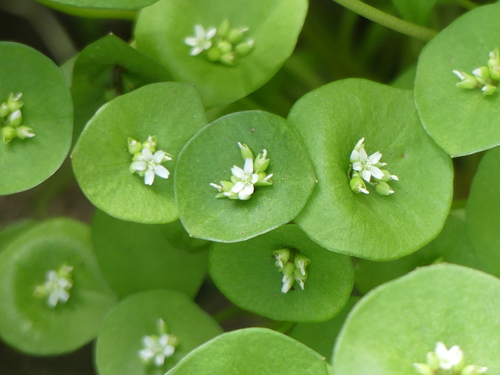
Claytonia perfoliata Donn.
Claytonia perfoliata, commonly miner's lettuce, is an edible rosette plant nativ…
⚠️ PoisonousMontiaceae plants belong to the Caryophyllales order in the Plantae kingdom. Its basal leaves are linear, and often have an indistinct petiole. For instant identification, use the iNature app — AI-powered and works offline.
Montiaceae is classified in the order Caryophyllales, class Magnoliopsida, phylum Tracheophyta. The family contains 65 accepted species worldwide.
Yes, some Montiaceae species are toxic or poisonous. Always exercise caution with unknown specimens. View poisonous Montiaceae species or browse the full poisonous species guide.
Sources: GBIF, iNaturalist, Wikipedia · Disclaimer
Download iNature for free. 10 identifications on us. No account needed. No credit card required.
Download Free on App Store
