Key Identification Features
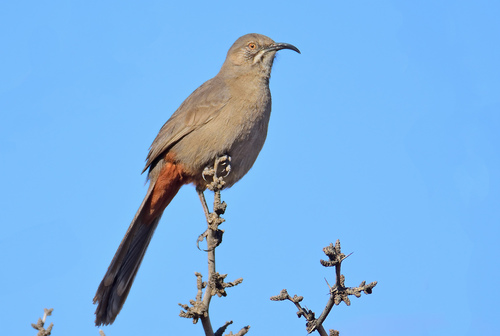
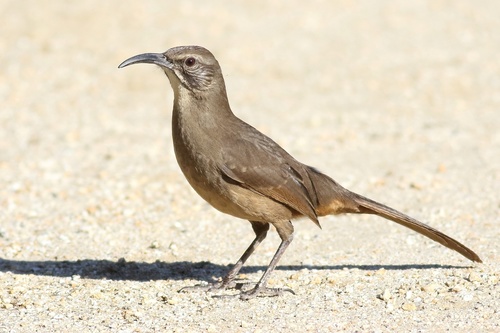
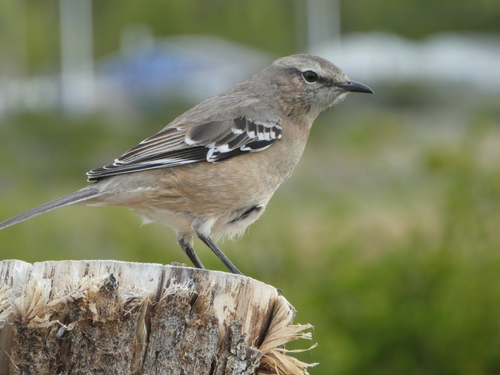
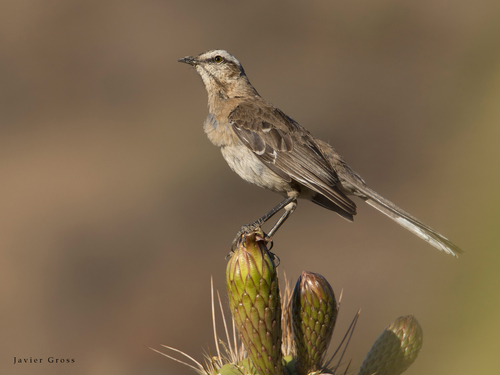
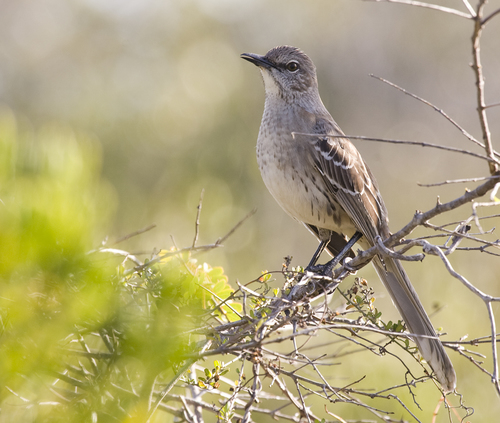
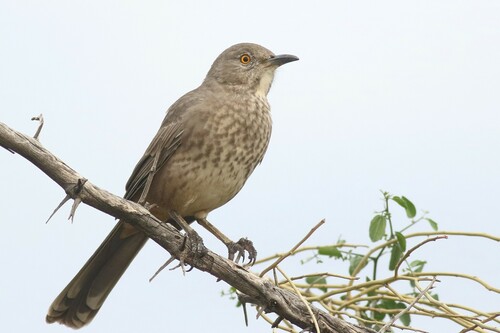
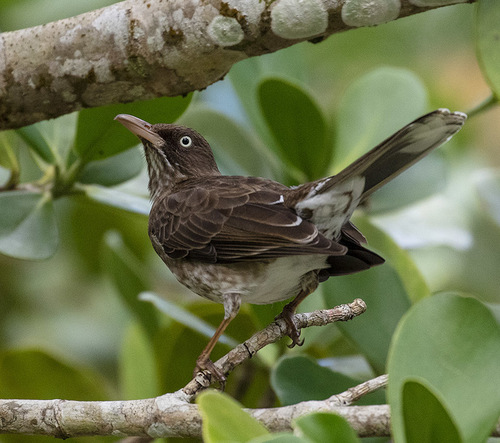
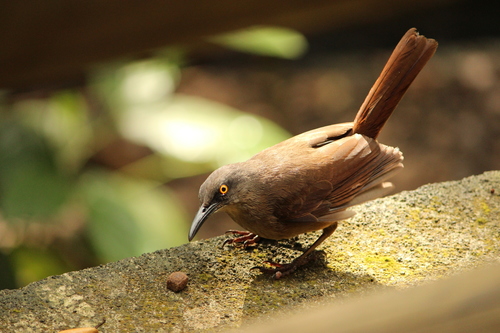
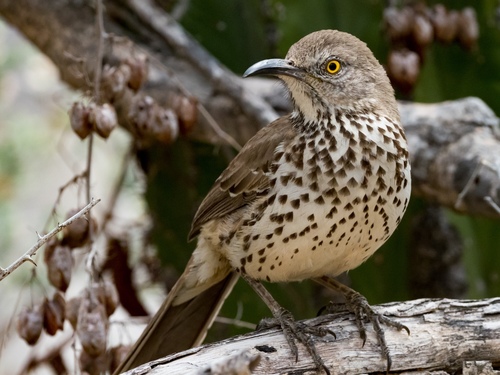
- The species' common name comes from the bright distinct color of the crissum, the area between its tail and vent, which contrasts with the rest of its plumage.
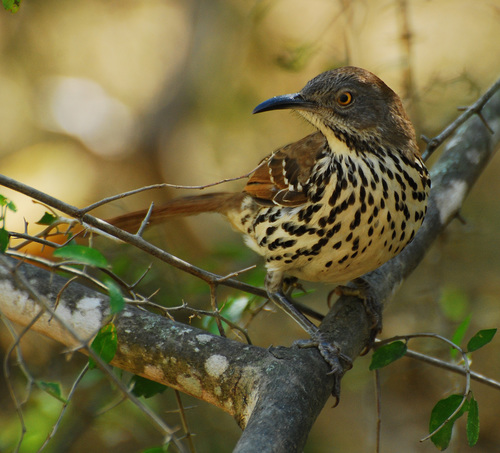
- It has a distinctive long, decurved beak and a long tail.
- Its niche relationships include interactions with other bird species, making it a distinct part of Californian fauna.
- Juveniles are essentially identical to adults, with the additional feature of blackish spots on the breast.
For instant identification in the field, use the iNature app — AI-powered, works offline.