How to Identify Menispermaceae
Menispermaceae is a plant family in the Plantae kingdom, order Ranunculales, class Magnoliopsida. The family contains 30 accepted species worldwide. Some species in this family are toxic — exercise caution when handling unknown specimens.
Representative Menispermaceae Species
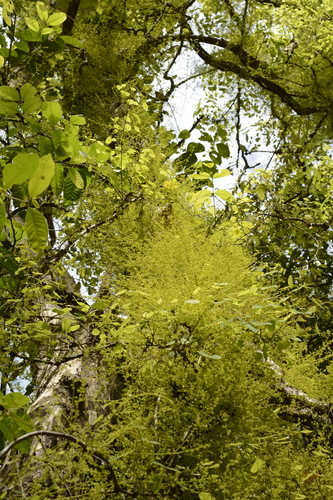
Diploclisia glaucescens (Blume) Diels
Diploclisia glaucescens (Blume) Diels
Diploclisia glaucescens is an extensively spreading flowering climbing plant fou…
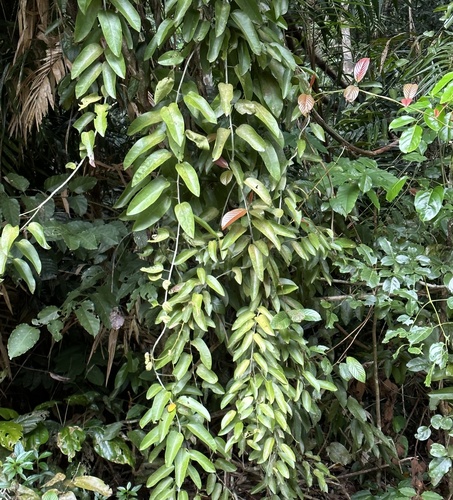
Hypserpa laurina (F.Muell.) Diels
Hypserpa laurina (F.Muell.) Diels
Hypserpa laurina is a small vine native to northern Australian and New Guinean r…
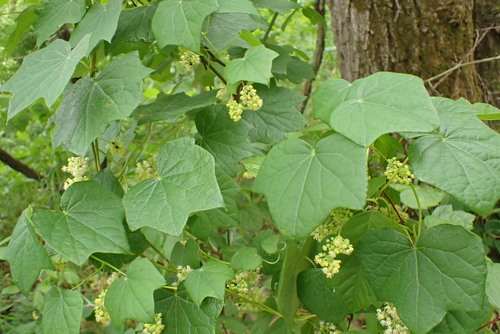
Menispermum canadense L.
Menispermum canadense L.
Canadian moonseed (Menispermum canadense L.) is a poisonous North American woody…
⚠️ Poisonous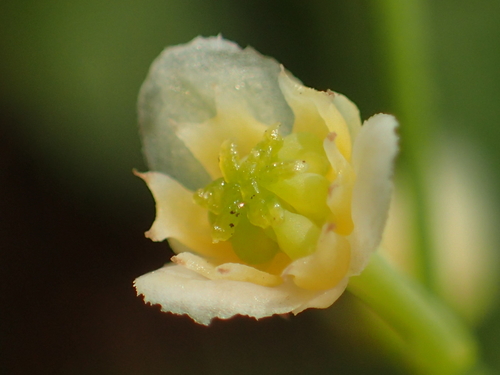
Cocculus orbiculatus (L.) DC.
Cocculus orbiculatus (L.) DC.
Queen coralbead (Cocculus orbiculatus, synonym Nephroia orbiculata) is a woody v…

Stephania abyssinica (Quart.-Dill. & A.Rich.) Walp.
Stephania abyssinica (Quart.-Dill. & A.Rich.) Walp.
Stephania abyssinica is a native southern African vine with two recognized subsp…
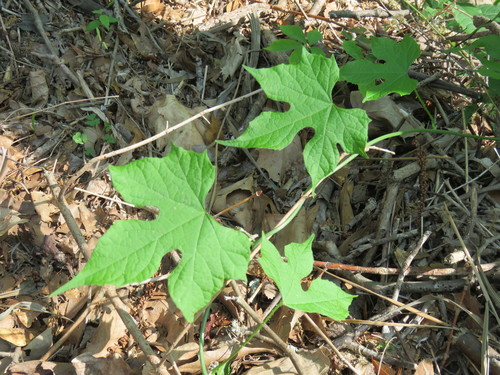
Calycocarpum lyonii (Pursh) Nutt. ex A.Gray
Calycocarpum lyonii (Pursh) Nutt. ex A.Gray
Calycocarpum lyonii, the only species in the cupseed genus, is an endemic vine n…
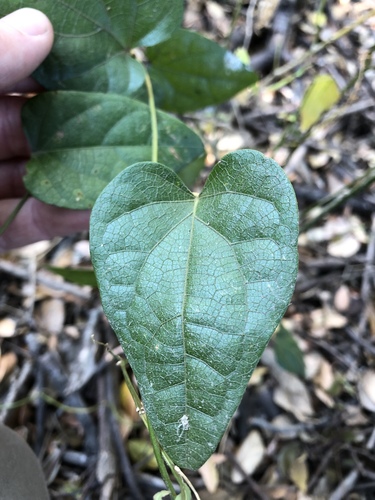
Pleogyne australis (Benth.) Benth.
Pleogyne australis (Benth.) Benth.
Pleogyne australis is the sole species of the monotypic flowering plant genus Pl…
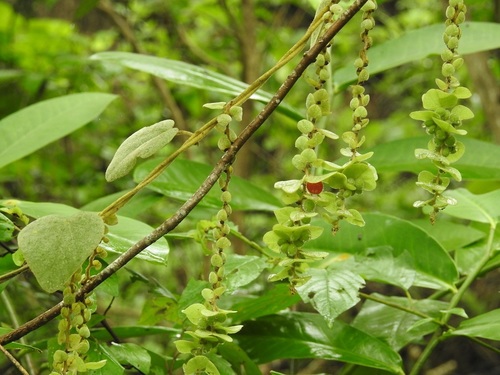
Cissampelos pareira L.
Cissampelos pareira L.
Cissampelos pareira L. is a climbing plant with documented traditional medicinal…
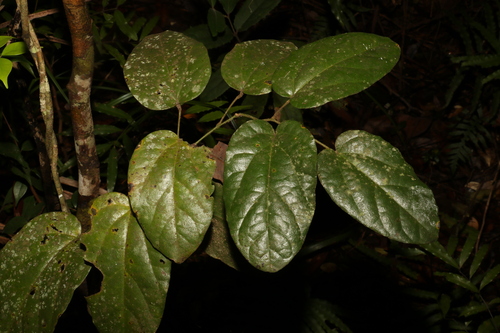
Hypserpa decumbens (Benth.) Diels
Hypserpa decumbens (Benth.) Diels
Hypserpa decumbens, or hairy Hypserpa, is an Australian endemic Menispermaceae v…
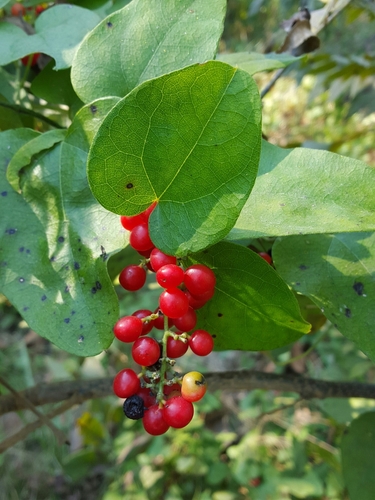
Cocculus carolinus (L.) DC.
Cocculus carolinus (L.) DC.
Cocculus carolinus is a weedy climbing vine native to the central and southeaste…
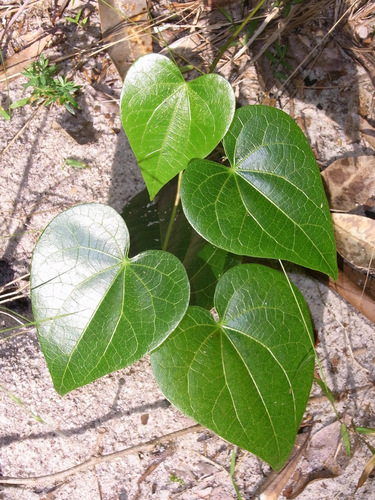
Sarcopetalum harveyanum F.Muell.
Sarcopetalum harveyanum F.Muell.
Sarcopetalum harveyanum, the pearl vine, is a common coastal eastern Australian …
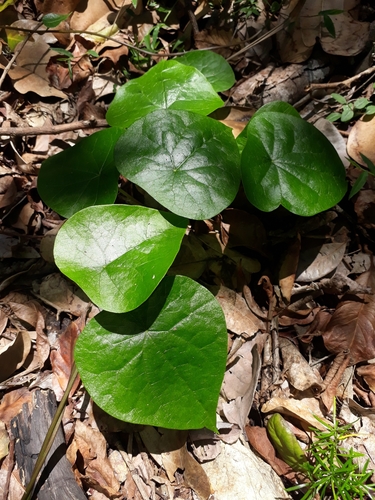
Stephania japonica (Thunb.) Miers
Stephania japonica (Thunb.) Miers
Stephania japonica is a dioecious prickle-free vine with peltate leaves, widespr…
Frequently Asked Questions
How do you identify Menispermaceae?
Menispermaceae plants belong to the Ranunculales order in the Plantae kingdom. Browse the 30 species gallery above for visual identification references. For instant identification, use the iNature app — AI-powered and works offline.
What are the key characteristics of Menispermaceae?
Menispermaceae is classified in the order Ranunculales, class Magnoliopsida, phylum Tracheophyta. The family contains 30 accepted species worldwide.
⚠️ Are any Menispermaceae species poisonous?
Yes, some Menispermaceae species are toxic or poisonous. Always exercise caution with unknown specimens. View poisonous Menispermaceae species or browse the full poisonous species guide.
Sources: GBIF, iNaturalist, Wikipedia · Disclaimer
Start Exploring Nature Today
Download iNature for free. 10 identifications on us. No account needed. No credit card required.
Download Free on App Store
