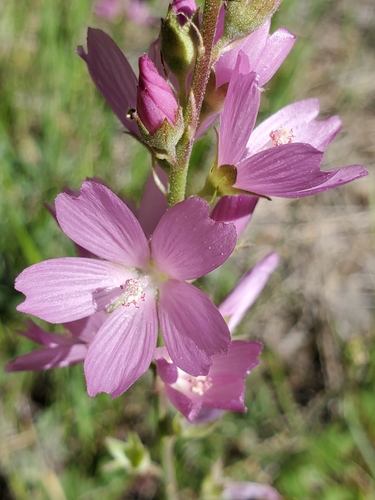
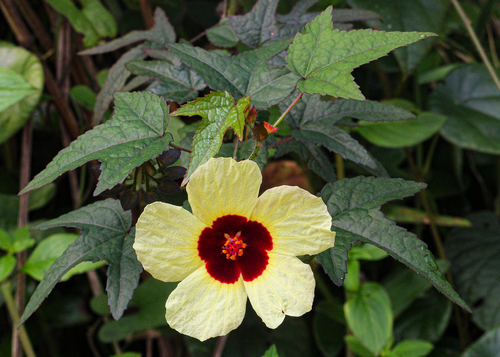
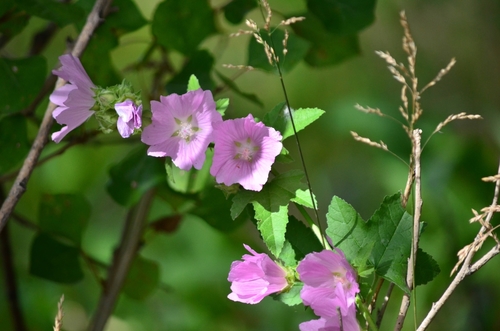
How to Identify Malvaceae

Malvaceae is a plant family in the Plantae kingdom, order Malvales, class Magnoliopsida. The family contains 490 accepted species worldwide. Some species in this family are toxic — exercise caution when handling unknown specimens.

Key Identification Features

For instant identification in the field, use the iNature app — AI-powered, works offline.
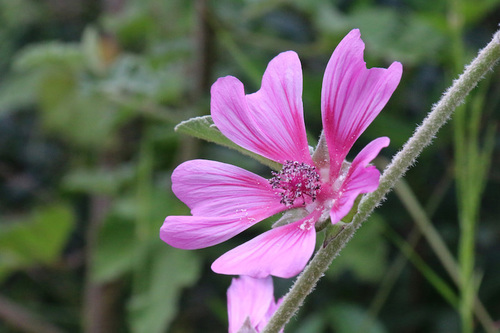
Representative Malvaceae Species

How to identify Malva olbia (L.) Alef.

Malva olbia (L.) Alef.

Malva olbia (L.) Alef.

Malva olbia, garden tree mallow, is a Malvaceae perennial shrub native to the we…

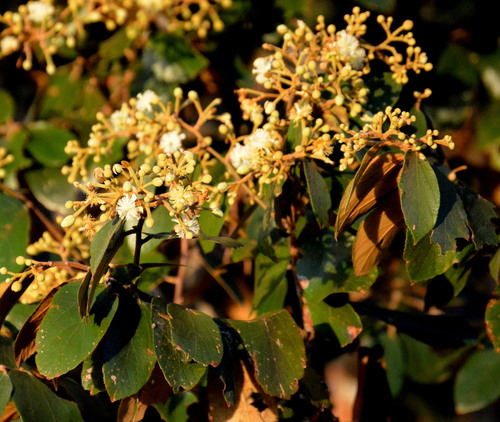
How to identify Luehea seemannii Planch. & Triana

Luehea seemannii Planch. & Triana

Luehea seemannii Planch. & Triana

Luehea seemannii is a widespread large canopy tree in Malvaceae native to the Ne…

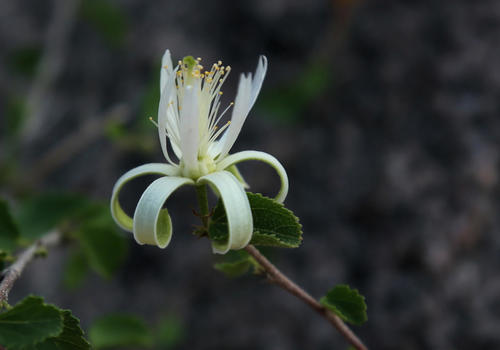
How to identify Grewia tenax (Forssk.) Fiori

Grewia tenax (Forssk.) Fiori

Grewia tenax (Forssk.) Fiori

Grewia tenax is an edible-fruited flowering plant in Malvaceae, native to Africa…

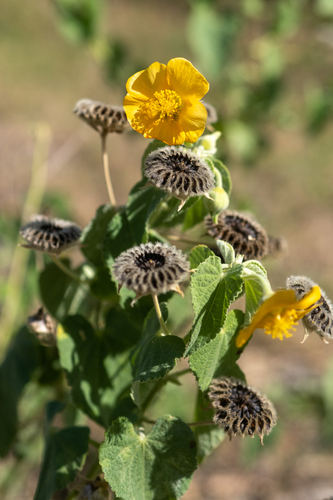
How to identify Abutilon guineense (Schum.) Baker fil. & Exell

Abutilon guineense (Schum.) Baker fil. & Exell

Abutilon guineense (Schum.) Baker fil. & Exell

Abutilon guineense is a mallow flowering plant native to Africa with two accepte…

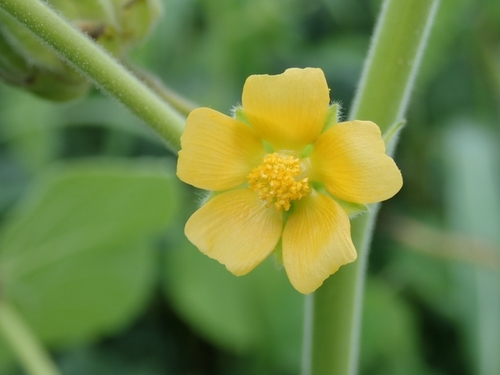
How to identify Abutilon theophrasti Medik.

Abutilon theophrasti Medik.

Abutilon theophrasti Medik.

Abutilon theophrasti (velvetleaf) is an annual plant with documented cultivation…

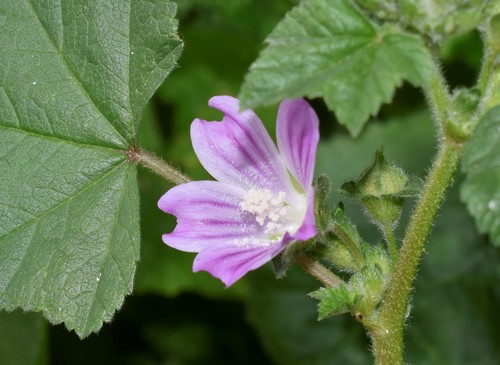
How to identify Malva multiflora (Cav.) Soldano, Banfi & Galasso

Malva multiflora (Cav.) Soldano, Banfi & Galasso

Malva multiflora (Cav.) Soldano, Banfi & Galasso

Malva multiflora is a mallow-family flowering plant native to Mediterranean regi…

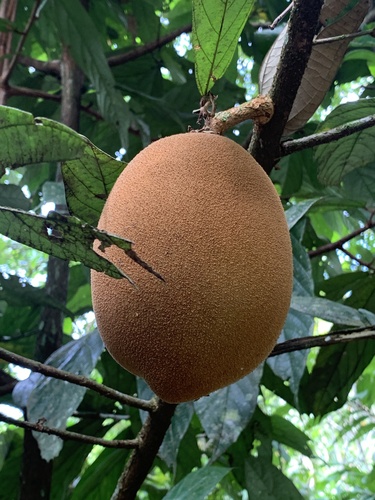
How to identify Theobroma grandiflorum (Willd. ex Spreng.) Schum.

Theobroma grandiflorum (Willd. ex Spreng.) Schum.

Theobroma grandiflorum (Willd. ex Spreng.) Schum.

Theobroma grandiflorum, or cupuaçu, is a South American Amazonian tree grown for…

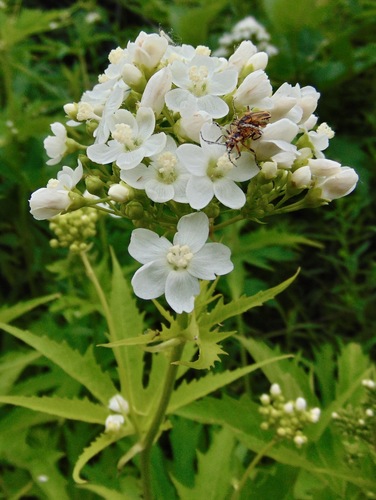
How to identify Napaea dioica L.

Napaea dioica L.

Napaea dioica L.

Napaea dioica L. is a tall dioecious herbaceous plant that prefers moist, damp g…

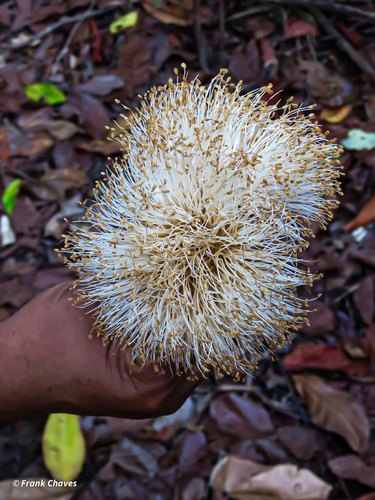
How to identify Pseudobombax septenatum (Jacq.) Dugand

Pseudobombax septenatum (Jacq.) Dugand

Pseudobombax septenatum (Jacq.) Dugand

Pseudobombax septenatum is a deciduous tree in the Malvaceae family native from …

How to identify Sidalcea oregana (Nutt. ex Torr. & A.Gray) A.Gray

Sidalcea oregana (Nutt. ex Torr. & A.Gray) A.Gray

Sidalcea oregana (Nutt. ex Torr. & A.Gray) A.Gray

Sidalcea oregana is a variable perennial herb native to moist habitats in wester…

How to identify Hibiscus surattensis L.

Hibiscus surattensis L.

Hibiscus surattensis L.

Hibiscus surattensis is a widespread Malvaceae flowering plant eaten locally as …

How to identify Malva thuringiaca (L.) Vis.

Malva thuringiaca (L.) Vis.

Malva thuringiaca (L.) Vis.

Malva thuringiaca, garden tree-mallow, is a herbaceous perennial flowering mallo…

Browse all 490 Malvaceae species →

Frequently Asked Questions

How do you identify Malvaceae?

Malvaceae plants belong to the Malvales order in the Plantae kingdom. The species may actually contain multiple distinct species, including some that have not yet been formally described. For instant identification, use the iNature app — AI-powered and works offline.

What are the key characteristics of Malvaceae?

Malvaceae is classified in the order Malvales, class Magnoliopsida, phylum Tracheophyta. It grows in semi-deciduous rainforest habitats that have a distinct dry season, and its native distribution ranges from Nicaragua to Brazil.

⚠️ Are any Malvaceae species poisonous?

Yes, some Malvaceae species are toxic or poisonous. Always exercise caution with unknown specimens. View poisonous Malvaceae species or browse the full poisonous species guide.

Sources: GBIF, iNaturalist, Wikipedia · Disclaimer

Start Exploring Nature Today

Download iNature for free. 10 identifications on us. No account needed. No credit card required.

Download Free on App Store