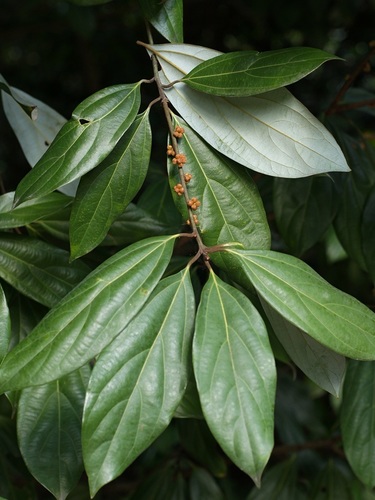
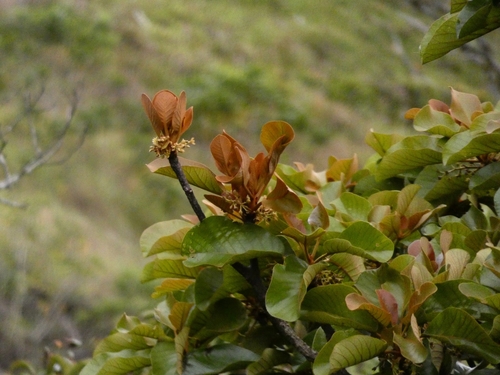
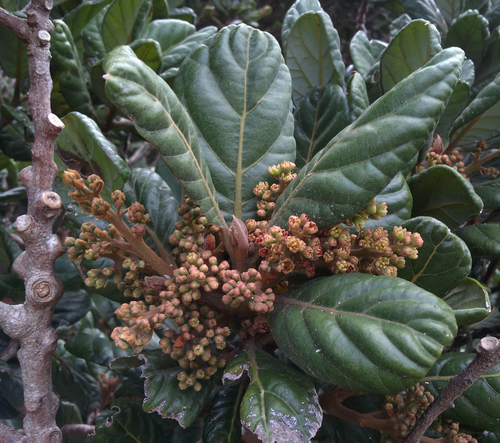
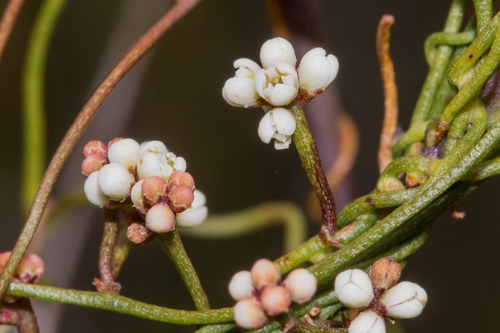
How to Identify Lauraceae

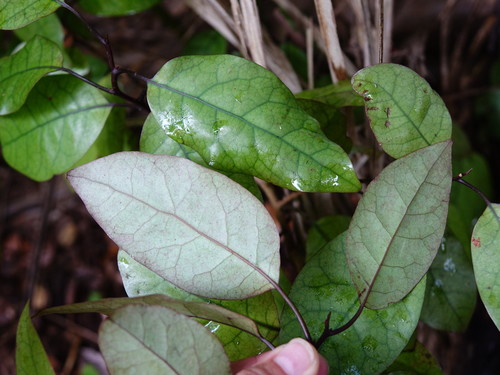
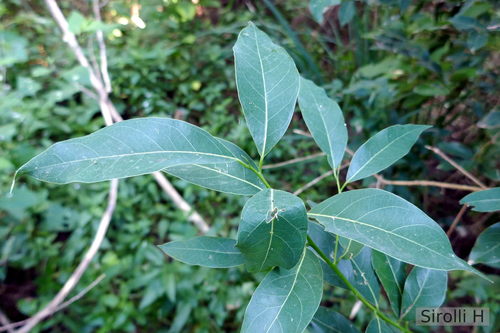
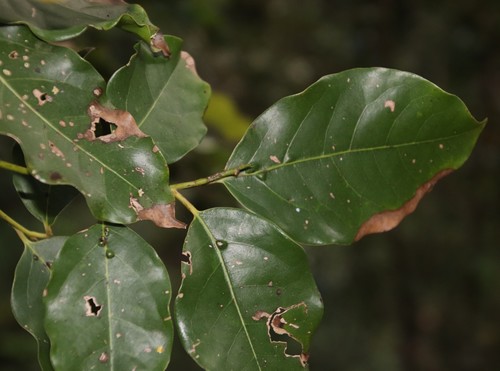
Lauraceae is a plant family in the Plantae kingdom, order Laurales, class Magnoliopsida. The family contains 108 accepted species worldwide. Some species in this family are toxic — exercise caution when handling unknown specimens.

Key Identification Features

For instant identification in the field, use the iNature app — AI-powered, works offline.
Representative Lauraceae Species

How to identify Cryptocarya microneura Meisn.

Cryptocarya microneura Meisn.

Cryptocarya microneura Meisn.

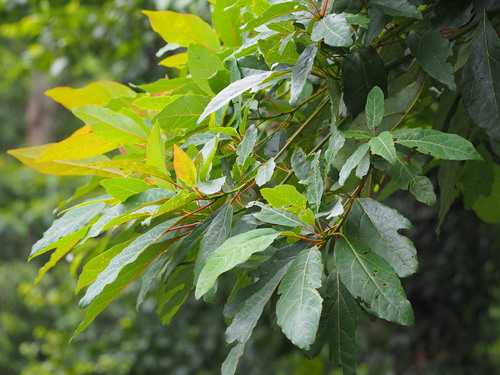
Cryptocarya microneura Meisn. is an Australian tree of rainforests and wet fores…

How to identify Neolitsea dealbata (R.Br.) Merr.

Neolitsea dealbata (R.Br.) Merr.

Neolitsea dealbata (R.Br.) Merr.

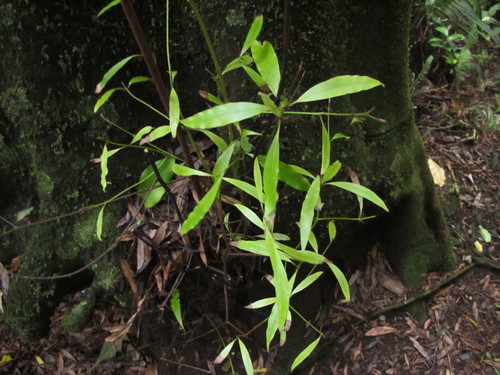
Neolitsea dealbata, or bolly gum, is an evergreen understory tree native to east…

How to identify Persea schiedeana Nees

Persea schiedeana Nees

Persea schiedeana Nees

Persea schiedeana (coyo) is an endangered edible-fruited evergreen laurel native…

How to identify Beilschmiedia tarairi (A.Cunn.) Kirk

Beilschmiedia tarairi (A.Cunn.) Kirk

Beilschmiedia tarairi (A.Cunn.) Kirk

Beilschmiedia tarairi (taraire) is an endemic New Zealand tree with distinct fol…

How to identify Cassytha glabella R.Br.

Cassytha glabella R.Br.

Cassytha glabella R.Br.

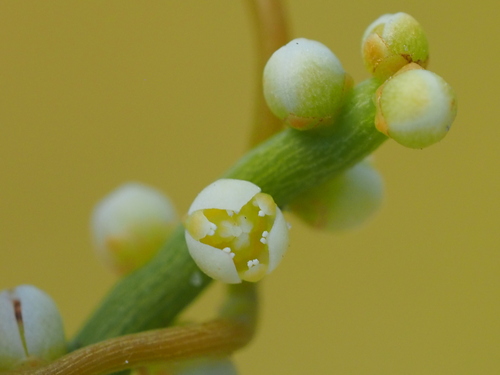
Cassytha glabella (slender devil's twine) is a hemiparasitic twining vine from A…

How to identify Cassytha filiformis L.

Cassytha filiformis L.

Cassytha filiformis L.

Cassytha filiformis, or love-vine, is a widespread obligate parasitic vine in La…

How to identify Beilschmiedia tawa (A.Cunn.) Kirk

Beilschmiedia tawa (A.Cunn.) Kirk

Beilschmiedia tawa (A.Cunn.) Kirk

Beilschmiedia tawa (tawa) is a medium-sized evergreen Lauraceae tree endemic to …

How to identify Cryptocarya alba (Molina) Looser

Cryptocarya alba (Molina) Looser

Cryptocarya alba (Molina) Looser

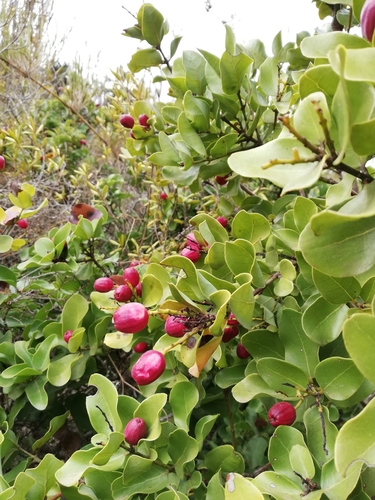
Cryptocarya alba is an evergreen tree producing edible red fruit peumos, grown o…

How to identify Sassafras randaiense (Hayata) Rehder

Sassafras randaiense (Hayata) Rehder

Sassafras randaiense (Hayata) Rehder

Sassafras randaiense is a medium deciduous tree endemic to Taiwan, with variable…

How to identify Litsea calicaris (A.Cunn.) Benth. & Hook.fil. ex Kirk

Litsea calicaris (A.Cunn.) Benth. & Hook.fil. ex Kirk

Litsea calicaris (A.Cunn.) Benth. & Hook.fil. ex Kirk

Litsea calicaris, or mangeao, is a New Zealand tree grown for its useful, high-q…

How to identify Ocotea acutifolia (Nees) Mez

Ocotea acutifolia (Nees) Mez

Ocotea acutifolia (Nees) Mez

Ocotea is a widespread genus of trees and shrubs with important ecological roles…

How to identify Ocotea bullata (Burch. ex Nees) E.Mey.

Ocotea bullata (Burch. ex Nees) E.Mey.

Ocotea bullata (Burch. ex Nees) E.Mey.

Ocotea bullata is a protected overexploited evergreen tree native to South Afric…

Browse all 108 Lauraceae species →

Frequently Asked Questions

How do you identify Lauraceae?

Lauraceae plants belong to the Laurales order in the Plantae kingdom. Taraire is a very distinct species with a tropical appearance. For instant identification, use the iNature app — AI-powered and works offline.

What are the key characteristics of Lauraceae?

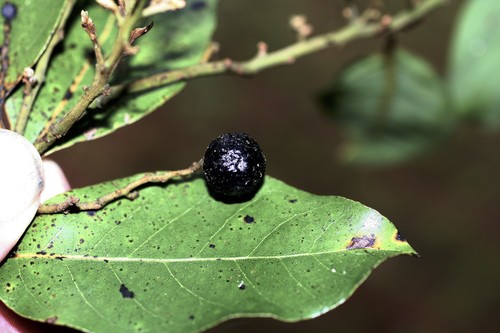
Lauraceae is classified in the order Laurales, class Magnoliopsida, phylum Tracheophyta. It can be distinguished from all other indigenous New Zealand trees and shrubs by its broad dark-green leaves with distinctive depressed veins, and its large, erect, plum-like dark purple fruits.

⚠️ Are any Lauraceae species poisonous?

Yes, some Lauraceae species are toxic or poisonous. Always exercise caution with unknown specimens. View poisonous Lauraceae species or browse the full poisonous species guide.

Sources: GBIF, iNaturalist, Wikipedia · Disclaimer

Start Exploring Nature Today

Download iNature for free. 10 identifications on us. No account needed. No credit card required.

Download Free on App Store