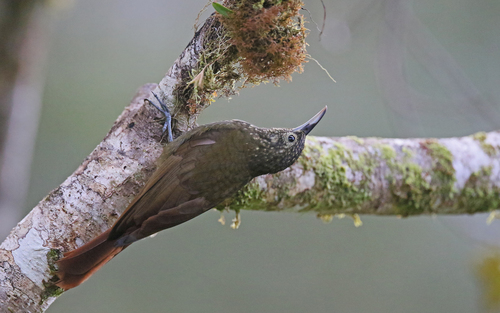
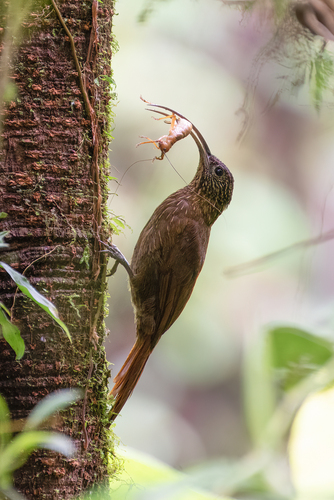
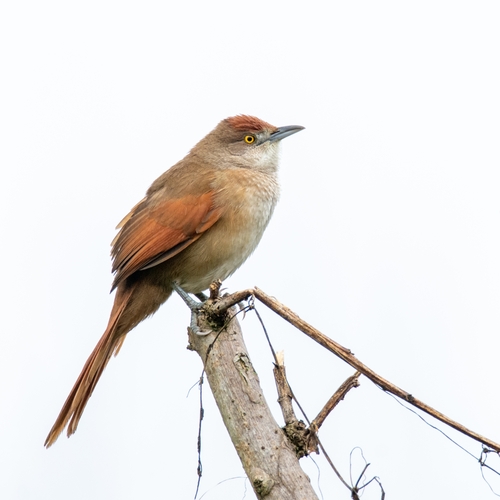
How to Identify Furnariidae

Furnariidae is a animal family in the Animalia kingdom, order Passeriformes, class Aves. The family contains 141 accepted species worldwide.

Key Identification Features

For instant identification in the field, use the iNature app — AI-powered, works offline.
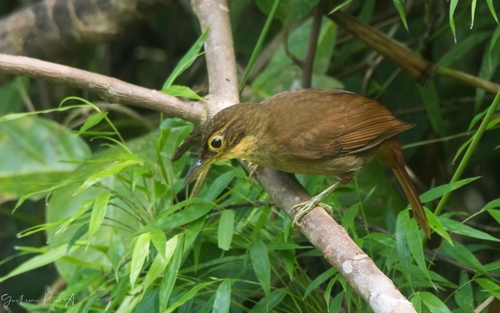
Representative Furnariidae Species

How to identify Automolus exsertus Bangs, 1901

Automolus exsertus Bangs, 1901

Automolus exsertus Bangs, 1901

The Chiriqui foliage-gleaner (Automolus exsertus) is a fairly large ovenbird fou…

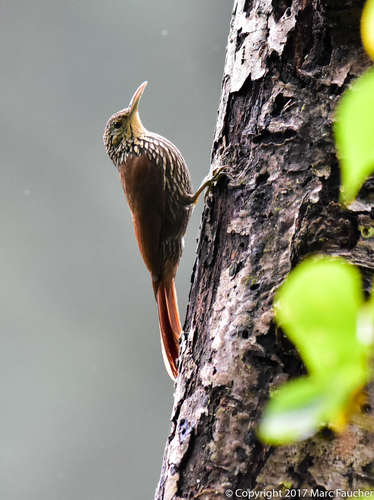
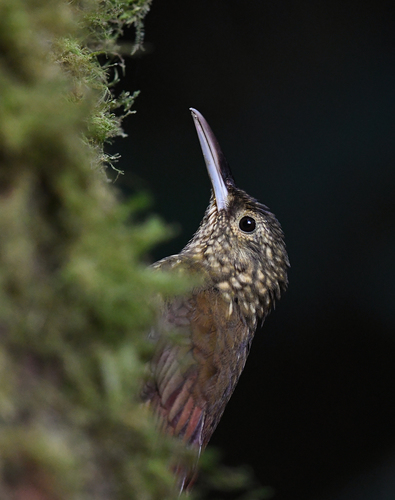
How to identify Lepidocolaptes affinis (Lafresnaye, 1839)

Lepidocolaptes affinis (Lafresnaye, 1839)

Lepidocolaptes affinis (Lafresnaye, 1839)

Lepidocolaptes affinis, the spot-crowned woodcreeper, is a medium-sized woodcree…

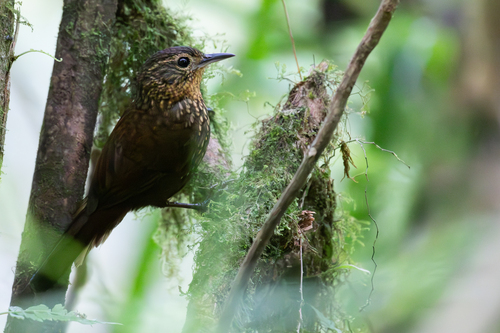
How to identify Premnoplex brunnescens (P.L.Sclater, 1856)

Premnoplex brunnescens (P.L.Sclater, 1856)

Premnoplex brunnescens (P.L.Sclater, 1856)

The spotted barbtail (Premnoplex brunnescens) is a small Andean/Central American…

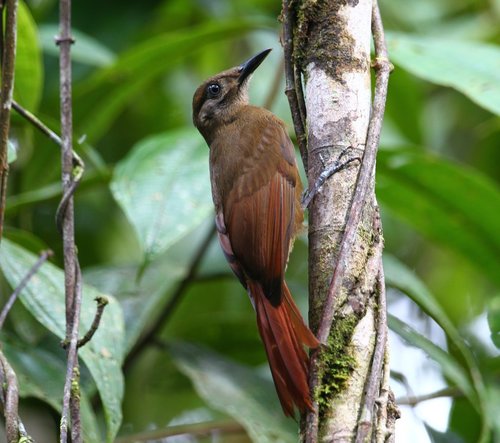
How to identify Dendrocincla fuliginosa turdina (Lichtenstein, 1820)

Dendrocincla fuliginosa turdina (Lichtenstein, 1820)

Dendrocincla fuliginosa turdina (Lichtenstein, 1820)

This is a detailed description of the plain-brown woodcreeper covering size, plu…

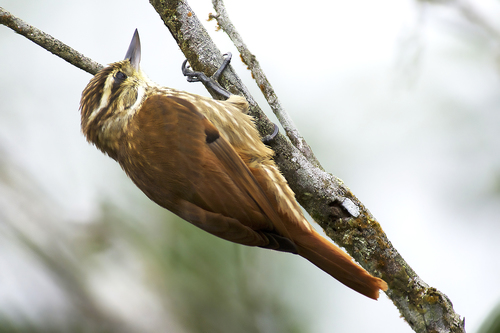
How to identify Xenops rutilans Temminck, 1821

Xenops rutilans Temminck, 1821

Xenops rutilans Temminck, 1821

Xenops rutilans (streaked xenops) is a small bird with 11 subspecies distributed…

How to identify Xiphorhynchus erythropygius (P.L.Sclater, 1860)

Xiphorhynchus erythropygius (P.L.Sclater, 1860)

Xiphorhynchus erythropygius (P.L.Sclater, 1860)

Xiphorhynchus erythropygius, the spotted woodcreeper, is a medium-sized sub-osci…

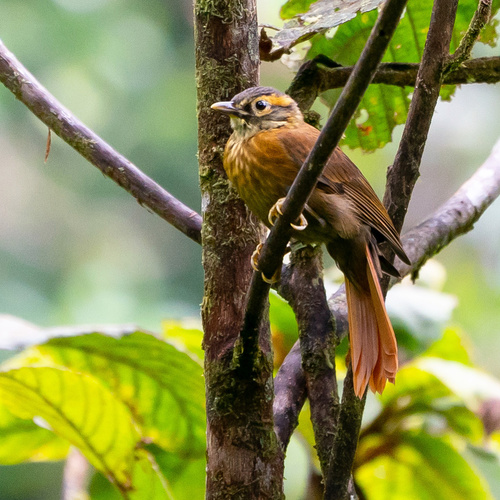
How to identify Anabacerthia variegaticeps (P.L.Sclater, 1857)

Anabacerthia variegaticeps (P.L.Sclater, 1857)

Anabacerthia variegaticeps (P.L.Sclater, 1857)

Anabacerthia variegaticeps, the scaly-throated foliage-gleaner, is a medium-size…

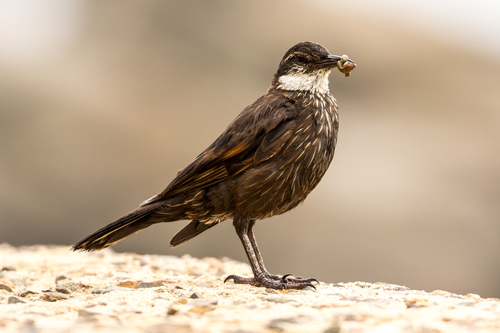
How to identify Cinclodes nigrofumosus (Orbigny & Lafresnaye, 1838)

Cinclodes nigrofumosus (Orbigny & Lafresnaye, 1838)

Cinclodes nigrofumosus (Orbigny & Lafresnaye, 1838)

The Chilean seaside cinclodes is a large coastal bird that lives along Chile’s i…

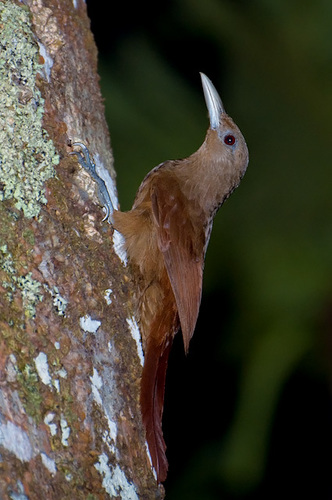
How to identify Dendrexetastes rufigula (Lesson, 1844)

Dendrexetastes rufigula (Lesson, 1844)

Dendrexetastes rufigula (Lesson, 1844)

The cinnamon-throated woodcreeper is a large South American woodcreeper with fou…

How to identify Xiphorhynchus triangularis (Lafresnaye, 1842)

Xiphorhynchus triangularis (Lafresnaye, 1842)

Xiphorhynchus triangularis (Lafresnaye, 1842)

Xiphorhynchus triangularis, the olive-backed woodcreeper, is a medium-sized Ande…

How to identify Campylorhamphus pusillus (P.L.Sclater, 1860)

Campylorhamphus pusillus (P.L.Sclater, 1860)

Campylorhamphus pusillus (P.L.Sclater, 1860)

Campylorhamphus pusillus, the brown-billed scythebill, is a Neotropical woodcree…

How to identify Phacellodomus ruber (Vieillot, 1817)

Phacellodomus ruber (Vieillot, 1817)

Phacellodomus ruber (Vieillot, 1817)

Phacellodomus ruber, the greater thornbird, is a South American bird found almos…

Browse all 141 Furnariidae species →

Frequently Asked Questions

How do you identify Furnariidae?

Furnariidae animals belong to the Passeriformes order in the Animalia kingdom. Juveniles are darker overall than adults, with less conspicuous crown spots, less distinct borders on their underpart streaks, and a shorter, darker bill. For instant identification, use the iNature app — AI-powered and works offline.

What are the key characteristics of Furnariidae?

Furnariidae is classified in the order Passeriformes, class Aves, phylum Chordata. souleyetii), but can be distinguished by its spotted (rather than streaked) crown.

Sources: GBIF, iNaturalist, Wikipedia · Disclaimer

Start Exploring Nature Today

Download iNature for free. 10 identifications on us. No account needed. No credit card required.

Download Free on App Store