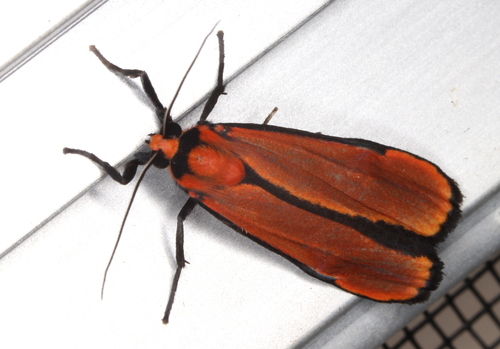
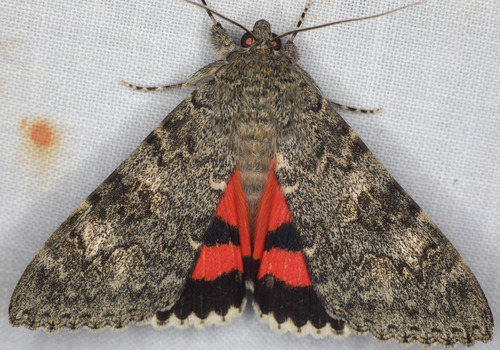
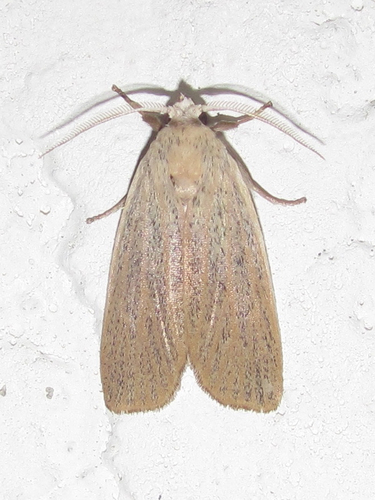
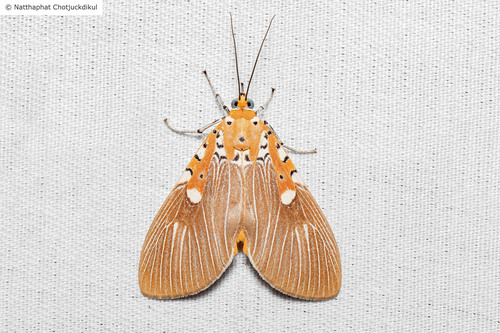
How to Identify Erebidae

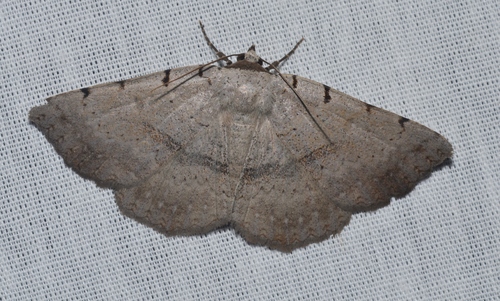
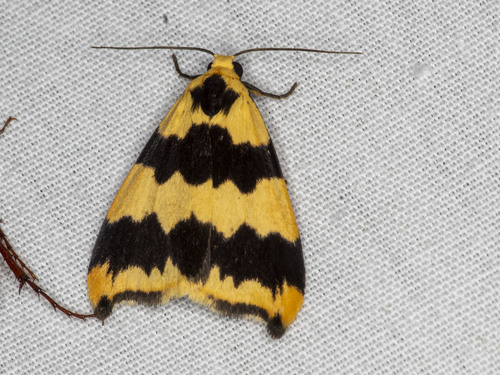
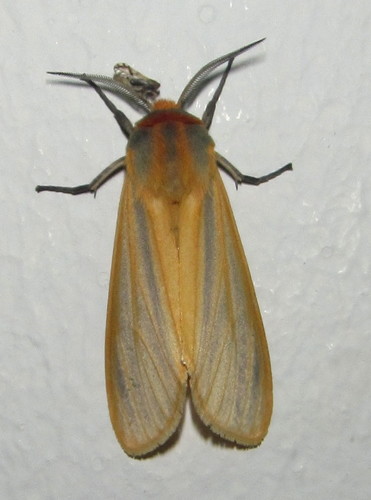
Erebidae is a animal family in the Animalia kingdom, order Lepidoptera, class Insecta. The family contains 1,461 accepted species worldwide.

Key Identification Features

For instant identification in the field, use the iNature app — AI-powered, works offline.
Representative Erebidae Species

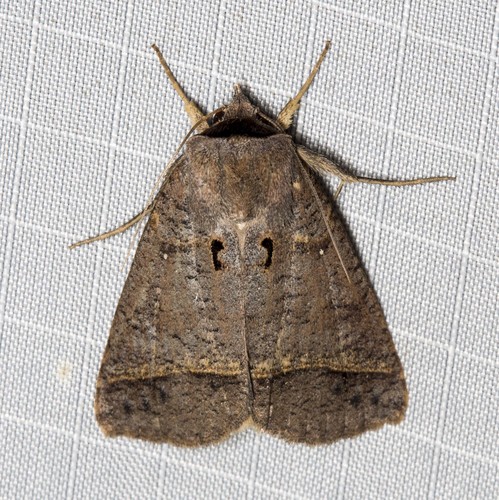
How to identify Pantydia metaspila (Walker, 1857)

Pantydia metaspila (Walker, 1857)

Pantydia metaspila (Walker, 1857)

Pantydia metaspila is a moth species with a 30–42 mm wingspan whose larvae feed …

How to identify Catocala amica Hübner, 1818

Catocala amica Hübner, 1818

Catocala amica Hübner, 1818

Catocala amica is a moth species with 35–40 mm wingspans whose caterpillars feed…

How to identify Catocala verrilliana Grote, 1875

Catocala verrilliana Grote, 1875

Catocala verrilliana Grote, 1875

Verrill's underwing (Catocala verrilliana) is an erebid moth found in the wester…

How to identify Clytie illunaris Hübner, 1813

Clytie illunaris Hübner, 1813

Clytie illunaris Hübner, 1813

Clytie illunaris Hübner, 1813 is a moth with variable wing coloration and markin…

How to identify Olene dudgeoni (Swinhoe, 1907)

Olene dudgeoni (Swinhoe, 1907)

Olene dudgeoni (Swinhoe, 1907)

Olene dudgeoni is a Lymantriinae moth described in 1907, found across parts of A…

How to identify Cyana meyricki (Rothschild, 1901)

Cyana meyricki (Rothschild, 1901)

Cyana meyricki (Rothschild, 1901)

Cyana meyricki is a 30mm-wingspan Erebidae moth found in Queensland and New Sout…

How to identify Catocala californica W.H.Edwards, 1864

Catocala californica W.H.Edwards, 1864

Catocala californica W.H.Edwards, 1864

Catocala californica is an Erebidae moth found in western North America, with 65…

How to identify Palpidia pallidior Dyar, 1898

Palpidia pallidior Dyar, 1898

Palpidia pallidior Dyar, 1898

Palpidia pallidior Dyar, 1898 is a 35 mm wingspan moth found in Florida and Cuba…

How to identify Asota ficus Fabricius, 1775

Asota ficus Fabricius, 1775

Asota ficus Fabricius, 1775

Asota ficus is a moth species described with distinct adult and larval morpholog…

How to identify Spiloloma lunilinea Grote, 1873

Spiloloma lunilinea Grote, 1873

Spiloloma lunilinea Grote, 1873

Spiloloma lunilinea, the moon-lined moth, is the only species in the monotypic e…

How to identify Termessa discrepans Walker

Termessa discrepans Walker

Termessa discrepans Walker

Termessa discrepans is an Arctiinae moth described in 1865 by Francis Walker, fo…

How to identify Afromurzinia lutescens (Walker, 1855)

Afromurzinia lutescens (Walker, 1855)

Afromurzinia lutescens (Walker, 1855)

Afromurzinia lutescens is a Erebidae moth found across Africa whose larvae feed …

Browse all 1,461 Erebidae species →

Frequently Asked Questions

How do you identify Erebidae?

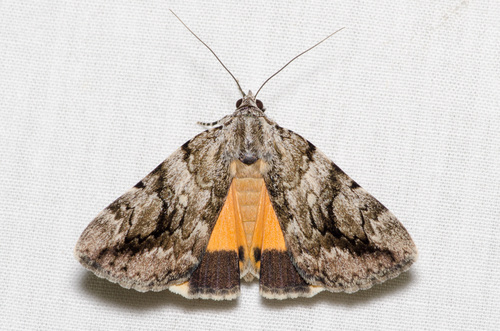
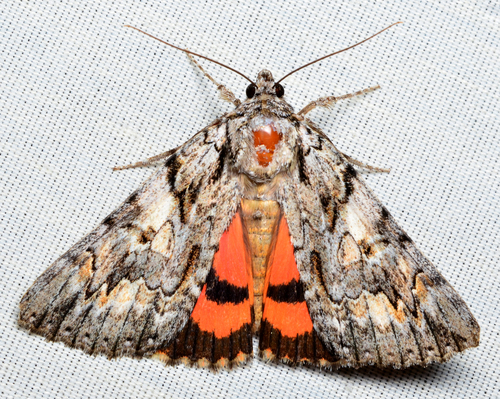
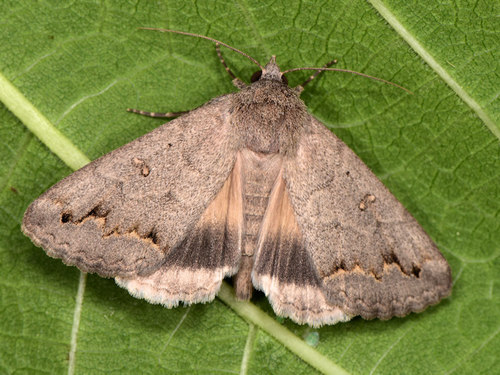
Erebidae animals belong to the Lepidoptera order in the Animalia kingdom. Adults can generally be easily recognized by their cryptically patterned forewings, a yellow base color on their hindwings, and a distinct black pattern on the hindwings. For instant identification, use the iNature app — AI-powered and works offline.

What are the key characteristics of Erebidae?

Erebidae is classified in the order Lepidoptera, class Insecta, phylum Arthropoda. The family contains 1,461 accepted species worldwide.

Sources: GBIF, iNaturalist, Wikipedia · Disclaimer

Start Exploring Nature Today

Download iNature for free. 10 identifications on us. No account needed. No credit card required.

Download Free on App Store