How to Identify Ebenaceae

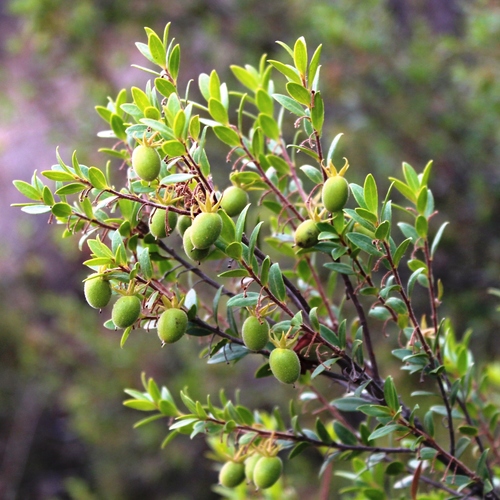
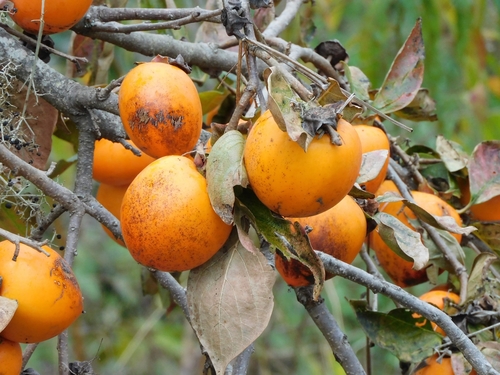
Ebenaceae is a plant family in the Plantae kingdom, order Ericales, class Magnoliopsida. The family contains 47 accepted species worldwide. Some species in this family are toxic — exercise caution when handling unknown specimens.

Key Identification Features

For instant identification in the field, use the iNature app — AI-powered, works offline.
Representative Ebenaceae Species

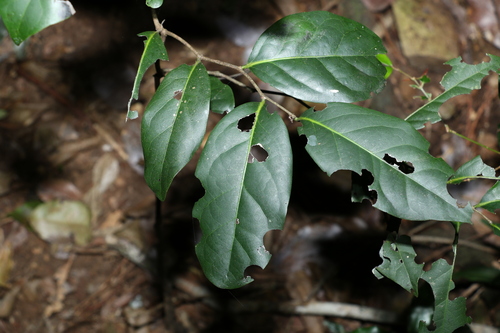
How to identify Euclea racemosa subsp. schimperi (A.DC.) F.White

Euclea racemosa subsp. schimperi (A.DC.) F.White

Euclea racemosa subsp. schimperi (A.DC.) F.White

Euclea racemosa subsp. schimperi is a small to medium evergreen tree native to p…

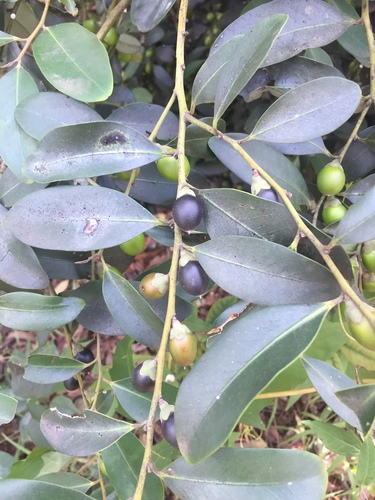
How to identify Diospyros australis (R.Br.) F.M.Bailey

Diospyros australis (R.Br.) F.M.Bailey

Diospyros australis (R.Br.) F.M.Bailey

Diospyros australis is a small Australian tree with edible black berries used in…

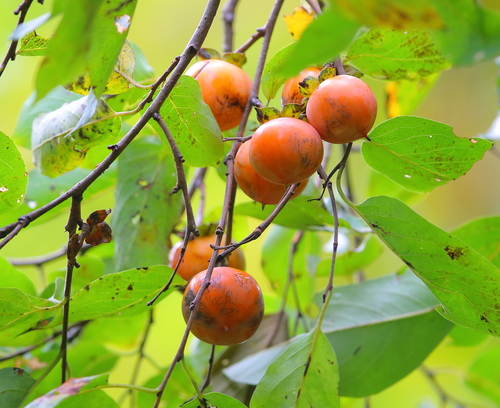
How to identify Diospyros virginiana L.

Diospyros virginiana L.

Diospyros virginiana L.

Diospyros virginiana (common American persimmon) is a North American tree grown …

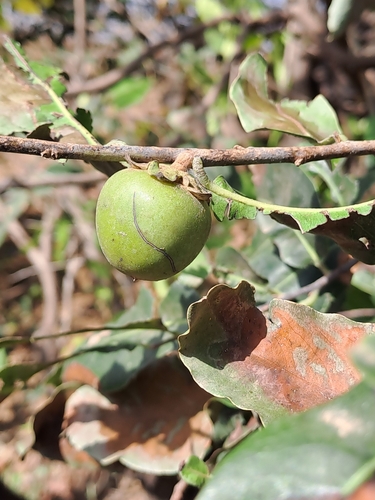
How to identify Diospyros mespiliformis Hochst. ex A.DC.

Diospyros mespiliformis Hochst. ex A.DC.

Diospyros mespiliformis Hochst. ex A.DC.

Diospyros mespiliformis (jackalberry) is a large African ebony relative with edi…

How to identify Euclea racemosa L.

Euclea racemosa L.

Euclea racemosa L.

Euclea racemosa, the sea or dune guarrie, is a dioecious evergreen tree native t…

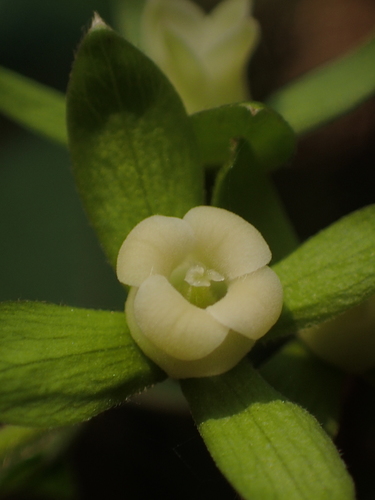
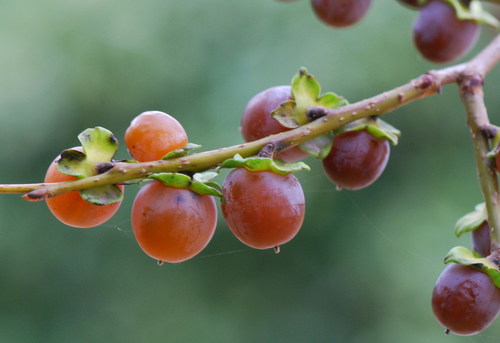
How to identify Diospyros rhombifolia Hemsl.

Diospyros rhombifolia Hemsl.

Diospyros rhombifolia Hemsl.

Diospyros rhombifolia is an ornamental flowering plant native to southeast China…

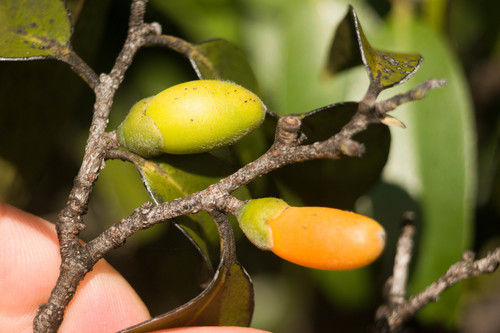
How to identify Diospyros fasciculosa (F.Muell.) F.Muell.

Diospyros fasciculosa (F.Muell.) F.Muell.

Diospyros fasciculosa (F.Muell.) F.Muell.

Diospyros fasciculosa is a clustered-fruited persimmon tree native to Australia,…

How to identify Diospyros lotus L.

Diospyros lotus L.

Diospyros lotus L.

Diospyros lotus L., the date-plum, is a deciduous tree native to Eurasia with ed…

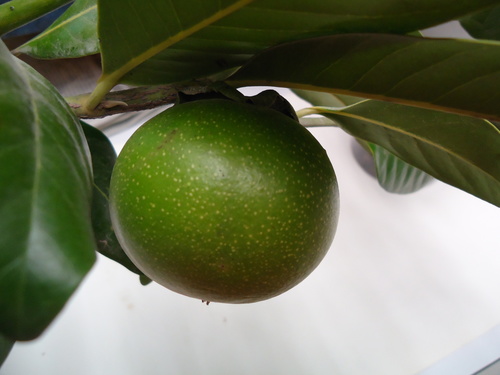
How to identify Diospyros nigra (J.F.Gmel.) Perr.

Diospyros nigra (J.F.Gmel.) Perr.

Diospyros nigra (J.F.Gmel.) Perr.

Diospyros nigra, commonly called black sapote, is an evergreen fruit tree with s…

How to identify Diospyros sandwicensis (A.DC.) Fosberg

Diospyros sandwicensis (A.DC.) Fosberg

Diospyros sandwicensis (A.DC.) Fosberg

Diospyros sandwicensis, or lama, is a flowering ebony family tree endemic to Haw…

How to identify Diospyros glabra (L.) De Winter

Diospyros glabra (L.) De Winter

Diospyros glabra (L.) De Winter

Diospyros glabra (fynbos star-apple) is an evergreen flowering shrub/tree native…

How to identify Diospyros kaki L.f.

Diospyros kaki L.f.

Diospyros kaki L.f.

Diospyros kaki (Oriental persimmon) is the most widely cultivated species of Dio…

Browse all 47 Ebenaceae species →

Frequently Asked Questions

How do you identify Ebenaceae?

Ebenaceae plants belong to the Ericales order in the Plantae kingdom. It can be easily identified by its yellow-tinged foliage and black berries. For instant identification, use the iNature app — AI-powered and works offline.

What are the key characteristics of Ebenaceae?

Ebenaceae is classified in the order Ericales, class Magnoliopsida, phylum Tracheophyta. This variety has a distinctly squarish shape and one of the highest sugar contents of any D.

⚠️ Are any Ebenaceae species poisonous?

Yes, some Ebenaceae species are toxic or poisonous. Always exercise caution with unknown specimens. View poisonous Ebenaceae species or browse the full poisonous species guide.

Sources: GBIF, iNaturalist, Wikipedia · Disclaimer

Start Exploring Nature Today

Download iNature for free. 10 identifications on us. No account needed. No credit card required.

Download Free on App Store