Key Identification Features
- Its flowers feature cottony white bristles that may extend 2 centimeters (0.
For instant identification in the field, use the iNature app — AI-powered, works offline.
Cyperaceae is a plant family in the Plantae kingdom, order Poales, class Liliopsida. The family contains 772 accepted species worldwide.
For instant identification in the field, use the iNature app — AI-powered, works offline.
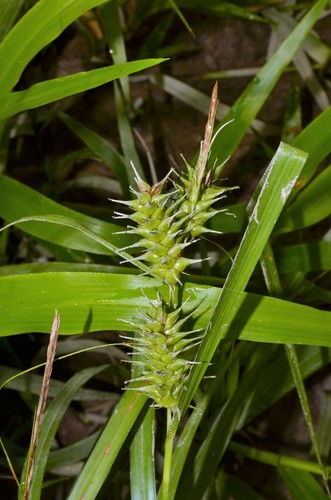
Carex gigantea Rudge
Giant sedge, Carex gigantea, is a Cyperaceae flowering perennial native to parts…
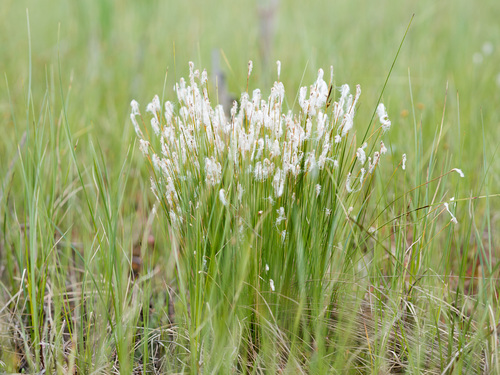
Trichophorum alpinum (L.) Pers.
Trichophorum alpinum is a circumboreal sedge found in bogs and calcareous mounta…
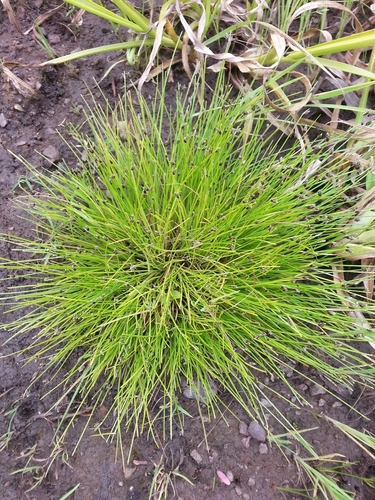
Isolepis cernua (Vahl) Roem. & Schult.
Isolepis cernua is a widespread small flowering sedge native to multiple regions…
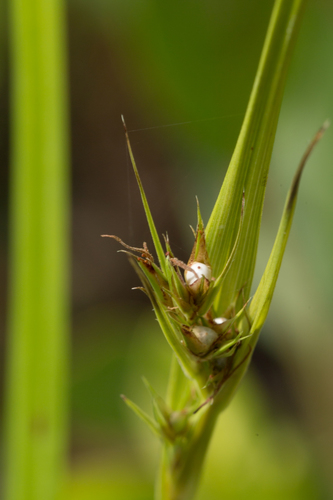
Scleria triglomerata Michx.
Scleria triglomerata (whip nutrush) is a Cyperaceae plant found in the US and Ca…
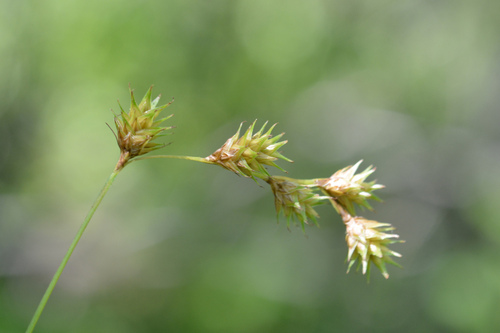
Carex tenera Dewey
Quill sedge (Carex tenera Dewey) is a native North American sedge species with t…
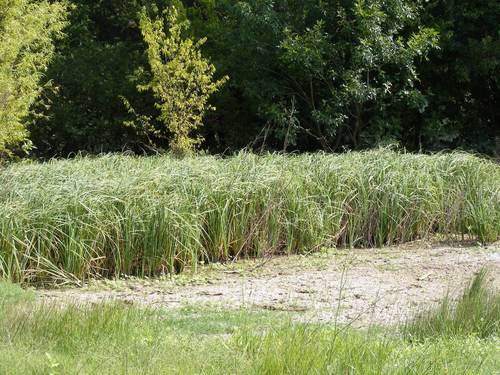
Carex oklahomensis Mack.
Carex oklahomensis Mack. is a species in the large flowering plant genus Carex, …
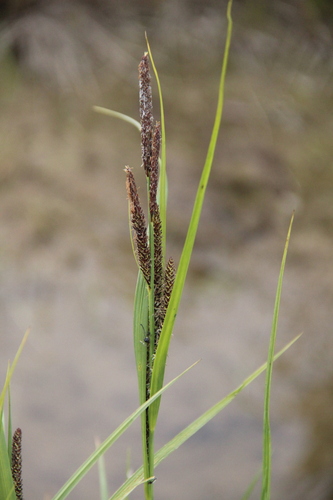
Carex aquatilis Wahlenb.
Carex aquatilis, water sedge, is a perennial circumboreal sedge often used for r…
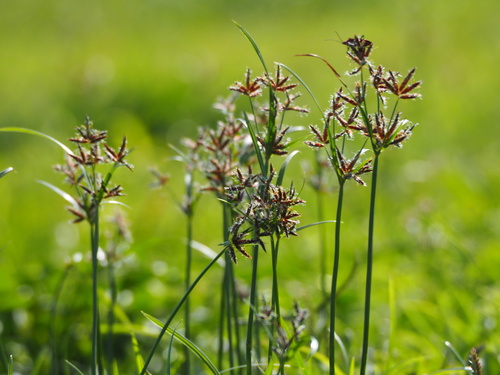
Cyperus rotundus L.
Cyperus rotundus L., also called nut grass, is a perennial sedge with a long his…
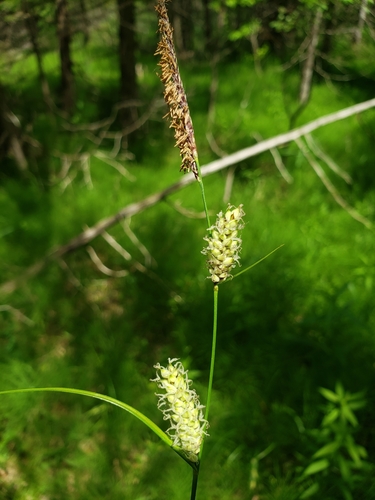
Carex pellita Muhl. ex Willd.
Carex pellita is a North American native sedge that grows in various habitats an…
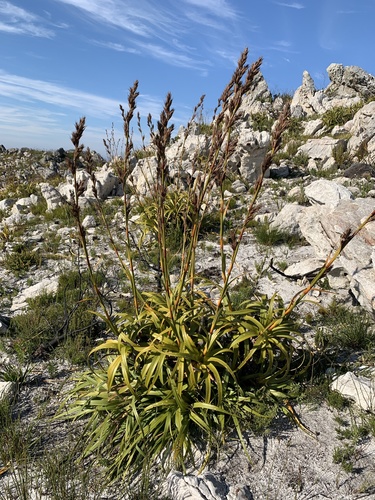
Tetraria thermalis (L.) C.B.Clarke
Tetraria thermalis, or bergpalmiet, is an endemic Western Cape Cyperaceae perenn…
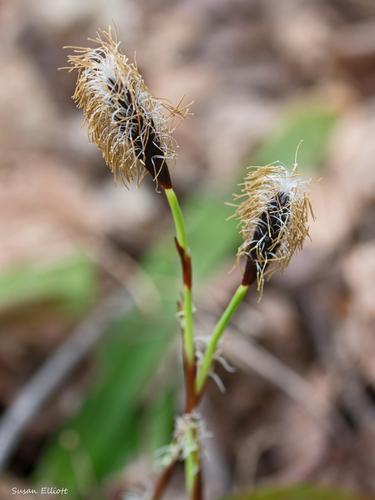
Carex plantaginea Lam.
Carex plantaginea Lam. grows up to 0.9 m tall and is distributed across much of …
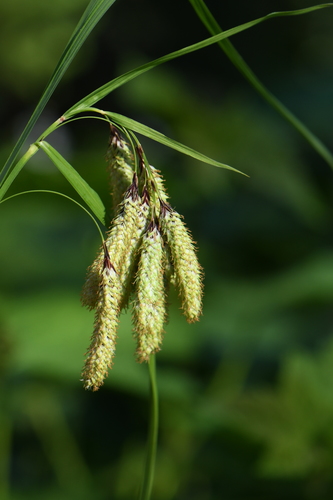
Carex mertensii J.D.Prescott ex Bong.
Mertens' sedge (Carex mertensii) is a North American native sedge that grows in …
Cyperaceae plants belong to the Poales order in the Plantae kingdom. Its flowers feature cottony white bristles that may extend 2 centimeters (0. For instant identification, use the iNature app — AI-powered and works offline.
Cyperaceae is classified in the order Poales, class Liliopsida, phylum Tracheophyta. The family contains 772 accepted species worldwide.
Sources: GBIF, iNaturalist, Wikipedia · Disclaimer
Download iNature for free. 10 identifications on us. No account needed. No credit card required.
Download Free on App Store
