How to Identify Cupressaceae

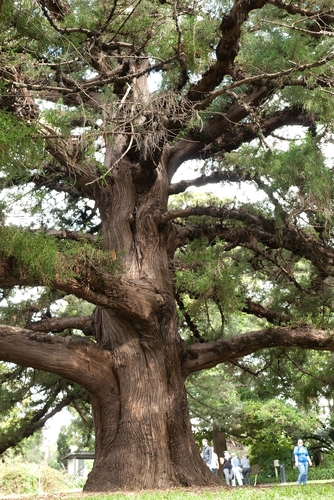
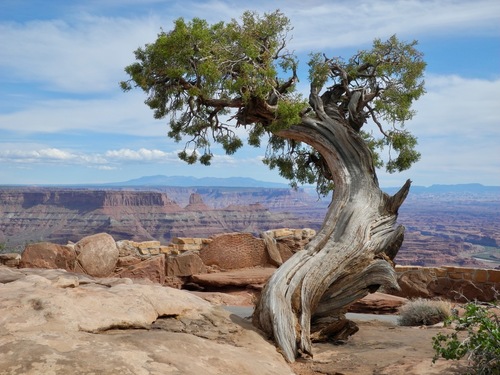
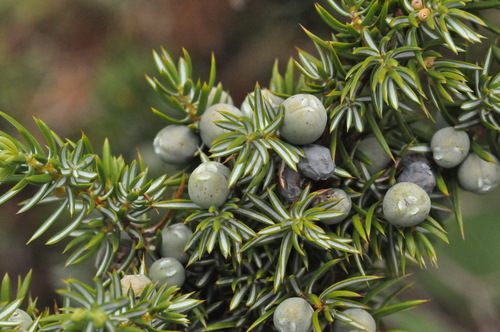
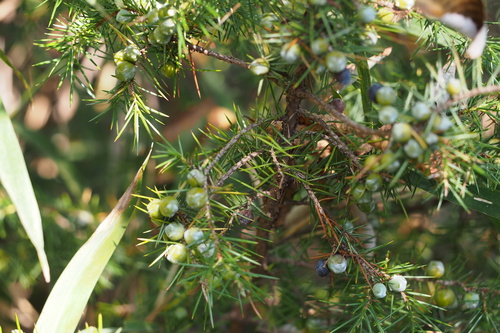
Cupressaceae is a plant family in the Plantae kingdom, order Pinales, class Pinopsida. The family contains 93 accepted species worldwide. Some species in this family are toxic — exercise caution when handling unknown specimens.

Key Identification Features

For instant identification in the field, use the iNature app — AI-powered, works offline.
Representative Cupressaceae Species

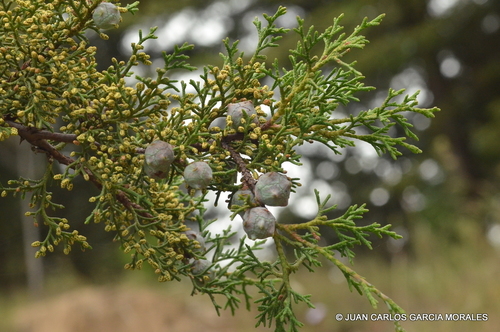
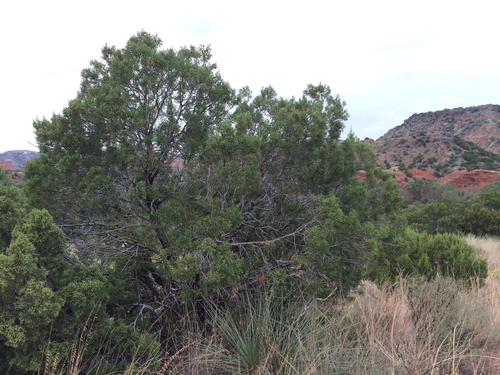
How to identify Juniperus pinchotii Sudw.

Juniperus pinchotii Sudw.

Juniperus pinchotii Sudw.

Juniperus pinchotii is an evergreen coniferous shrub or small tree with berry-li…

How to identify Juniperus bermudiana L.

Juniperus bermudiana L.

Juniperus bermudiana L.

Juniperus bermudiana (Bermuda cedar) is an evergreen tree endemic to Bermuda wit…

How to identify Juniperus osteosperma (Torr.) Little

Juniperus osteosperma (Torr.) Little

Juniperus osteosperma (Torr.) Little

Juniperus osteosperma (Utah juniper) is a juniper native to the southwestern US …

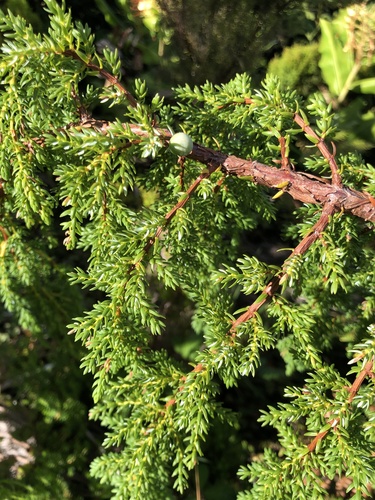
How to identify Juniperus communis L.

Juniperus communis L.

Juniperus communis L.

Juniperus communis is a widely distributed northern hemisphere evergreen conifer…

How to identify Juniperus rigida Siebold & Zucc.

Juniperus rigida Siebold & Zucc.

Juniperus rigida Siebold & Zucc.

Juniperus rigida, temple juniper, is a juniper species native to Northeast Asia,…

How to identify Cupressus lusitanica var. lusitanica

Cupressus lusitanica var. lusitanica

Cupressus lusitanica var. lusitanica

Hesperocyparis lusitanica is an evergreen conifer widely cultivated ornamentally…

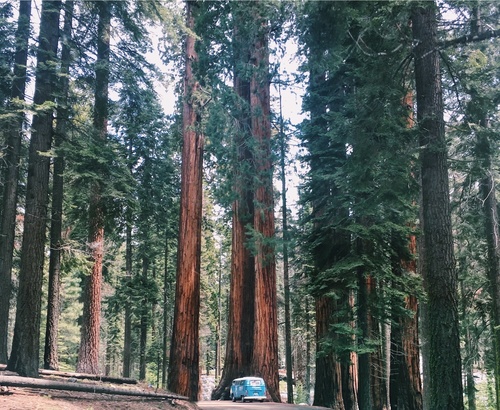
How to identify Sequoiadendron giganteum (Lindl.) J.T.Buchholz

Sequoiadendron giganteum (Lindl.) J.T.Buchholz

Sequoiadendron giganteum (Lindl.) J.T.Buchholz

Sequoiadendron giganteum, the giant sequoia, is the world's most massive tree sp…

How to identify Chamaecyparis thyoides (L.) Britton, Sterns & Poggenb.

Chamaecyparis thyoides (L.) Britton, Sterns & Poggenb.

Chamaecyparis thyoides (L.) Britton, Sterns & Poggenb.

Chamaecyparis thyoides, or Atlantic white cedar, is an evergreen coniferous wetl…

How to identify Juniperus brevifolia (Seub.) Antoine

Juniperus brevifolia (Seub.) Antoine

Juniperus brevifolia (Seub.) Antoine

Juniperus brevifolia is an Azorean dioecious evergreen juniper with three accept…

How to identify Juniperus oxycedrus subsp. oxycedrus

Juniperus oxycedrus subsp. oxycedrus

Juniperus oxycedrus subsp. oxycedrus

This is Juniperus oxycedrus, a variable conifer with cade oil used in cosmetics,…

How to identify Fitzroya cupressoides (Molina) I.M.Johnst.

Fitzroya cupressoides (Molina) I.M.Johnst.

Fitzroya cupressoides (Molina) I.M.Johnst.

Fitzroya cupressoides is the largest South American tree species, known for extr…

How to identify Widdringtonia nodiflora (L.) Powrie

Widdringtonia nodiflora (L.) Powrie

Widdringtonia nodiflora (L.) Powrie

Widdringtonia nodiflora, or Mountain Cypress, is a fire-adapted evergreen widesp…

Browse all 93 Cupressaceae species →

Frequently Asked Questions

How do you identify Cupressaceae?

Cupressaceae plants belong to the Pinales order in the Plantae kingdom. Bermuda cedar is known for its heavy, sweet aroma, attractive and useful reddish timber, major role in Bermuda's history, and prominent presence in Bermuda's historic homes. For instant identification, use the iNature app — AI-powered and works offline.

What are the key characteristics of Cupressaceae?

Cupressaceae is classified in the order Pinales, class Pinopsida, phylum Tracheophyta. The family contains 93 accepted species worldwide.

⚠️ Are any Cupressaceae species poisonous?

Yes, some Cupressaceae species are toxic or poisonous. Always exercise caution with unknown specimens. View poisonous Cupressaceae species or browse the full poisonous species guide.

Sources: GBIF, iNaturalist, Wikipedia · Disclaimer

Start Exploring Nature Today

Download iNature for free. 10 identifications on us. No account needed. No credit card required.

Download Free on App Store