How to Identify Celastraceae
Celastraceae is a plant family in the Plantae kingdom, order Celastrales, class Magnoliopsida. The family contains 107 accepted species worldwide. Some species in this family are toxic — exercise caution when handling unknown specimens.
Representative Celastraceae Species
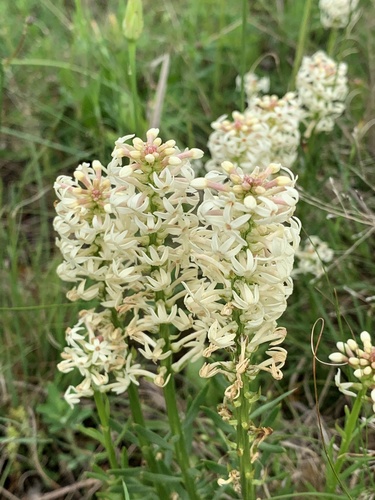
Stackhousia monogyna Labill.
Stackhousia monogyna Labill.
Stackhousia monogyna, creamy stackhousia, is a common Australian perennial herb …
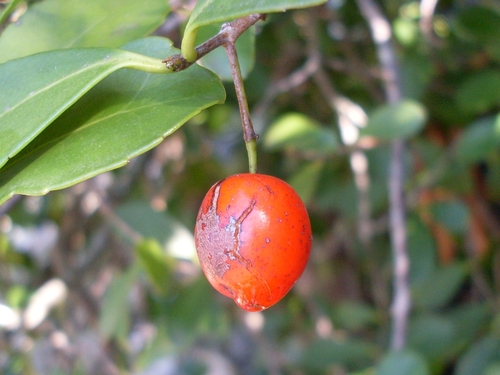
Elaeodendron australe Vent.
Elaeodendron australe Vent.
Elaeodendron australe is a dioecious Australian shrub or small tree grown slowly…
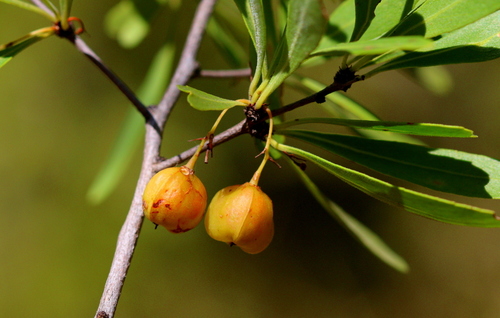
Gymnosporia tenuispina (Sond.) Szyszyl.
Gymnosporia tenuispina (Sond.) Szyszyl.
Gymnosporia tenuispina is a Southern African spiny shrub or small tree in the Ce…
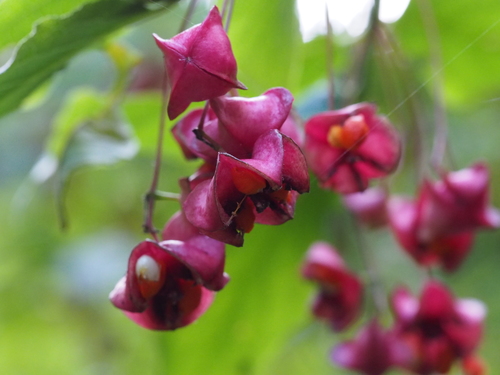
Euonymus latifolius (L.) Mill.
Euonymus latifolius (L.) Mill.
Euonymus latifolius (broad-leaved spindle tree) is a shade-loving flowering shru…
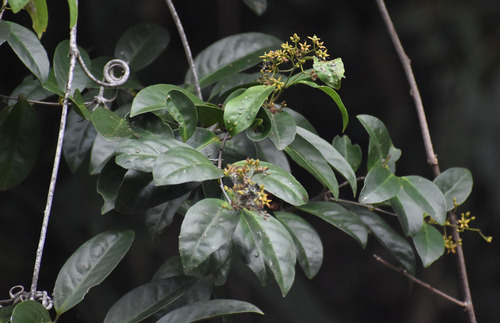
Loeseneriella barbata (F.Muell.) C.T.White
Loeseneriella barbata (F.Muell.) C.T.White
Loeseneriella barbata, the knot vine, is a woody vine found in two separate popu…
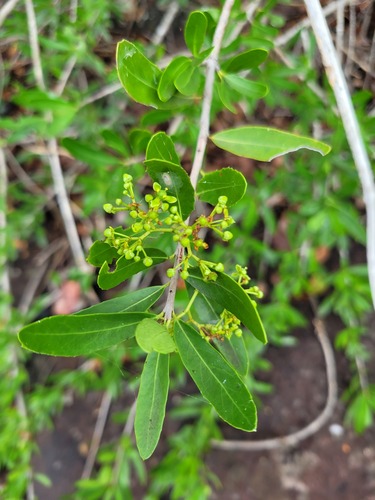
Elaeodendron transvaalense (Burtt Davy) R.H.Archer
Elaeodendron transvaalense (Burtt Davy) R.H.Archer
Elaeodendron transvaalense is a protected flowering tree species of the Celastra…
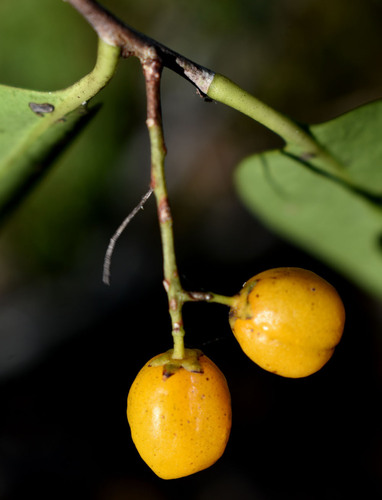
Denhamia disperma (F.Muell.) M.P.Simmons
Denhamia disperma (F.Muell.) M.P.Simmons
Denhamia disperma, commonly called orange boxwood, is a shrub or small tree nati…
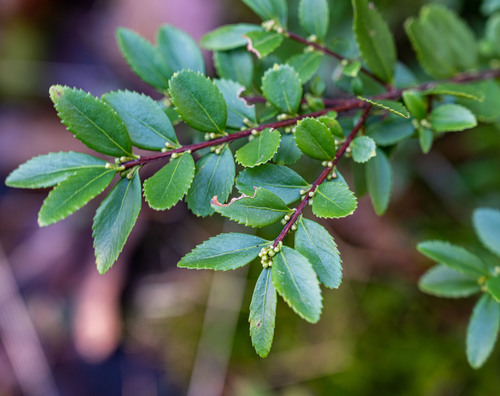
Paxistima myrsinites (Pursh) Raf.
Paxistima myrsinites (Pursh) Raf.
Paxistima myrsinites is a low evergreen shrub that provides food for wildlife an…
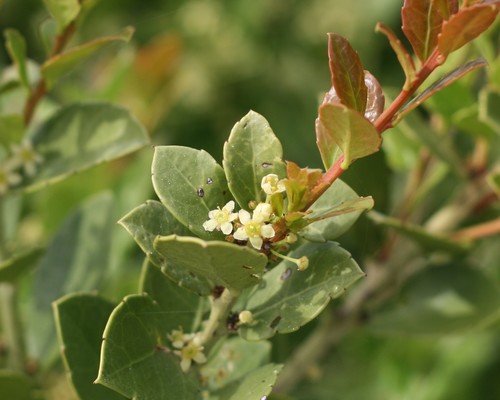
Gymnosporia procumbens (L.fil.) Loes.
Gymnosporia procumbens (L.fil.) Loes.
Maytenus procumbens (scientific name Gymnosporia procumbens) is a bushy shrub or…
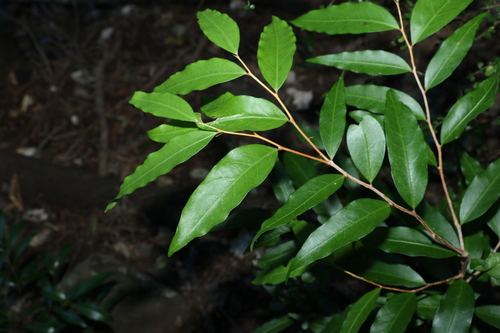
Hedraianthera porphyropetala F.Muell.
Hedraianthera porphyropetala F.Muell.
Hedraianthera is a monotypic Australian genus of Celastraceae, with the single s…
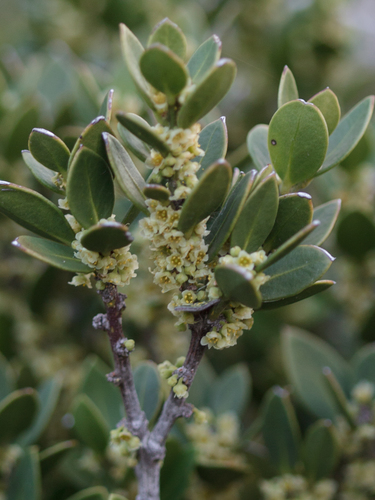
Robsonodendron maritimum (Bolus) R.H.Archer
Robsonodendron maritimum (Bolus) R.H.Archer
Robsonodendron maritimum is a small evergreen tree native to coastal South Afric…
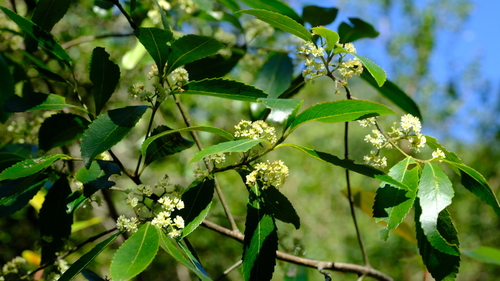
Catha edulis Forssk.
Catha edulis Forssk.
Catha edulis (khat) is an evergreen shrub/tree cultivated as a stimulant, with l…
Frequently Asked Questions
How do you identify Celastraceae?
Celastraceae plants belong to the Celastrales order in the Plantae kingdom. Browse the 107 species gallery above for visual identification references. For instant identification, use the iNature app — AI-powered and works offline.
What are the key characteristics of Celastraceae?
Celastraceae is classified in the order Celastrales, class Magnoliopsida, phylum Tracheophyta. The family contains 107 accepted species worldwide.
⚠️ Are any Celastraceae species poisonous?
Yes, some Celastraceae species are toxic or poisonous. Always exercise caution with unknown specimens. View poisonous Celastraceae species or browse the full poisonous species guide.
Sources: GBIF, iNaturalist, Wikipedia · Disclaimer
Start Exploring Nature Today
Download iNature for free. 10 identifications on us. No account needed. No credit card required.
Download Free on App Store
