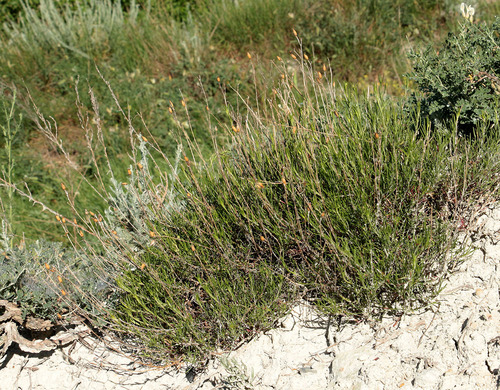
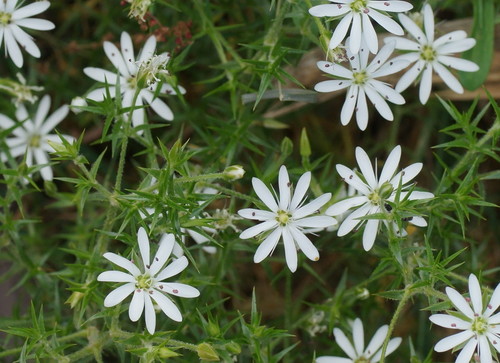
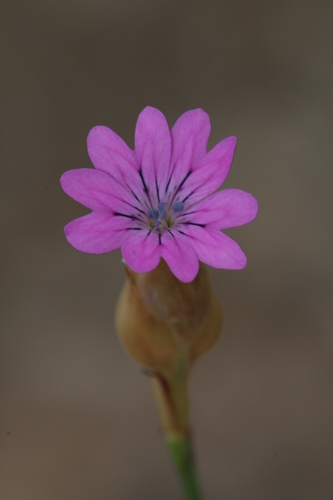
How to Identify Caryophyllaceae

Caryophyllaceae is a plant family in the Plantae kingdom, order Caryophyllales, class Magnoliopsida. The family contains 413 accepted species worldwide. Some species in this family are toxic — exercise caution when handling unknown specimens.

Key Identification Features

For instant identification in the field, use the iNature app — AI-powered, works offline.
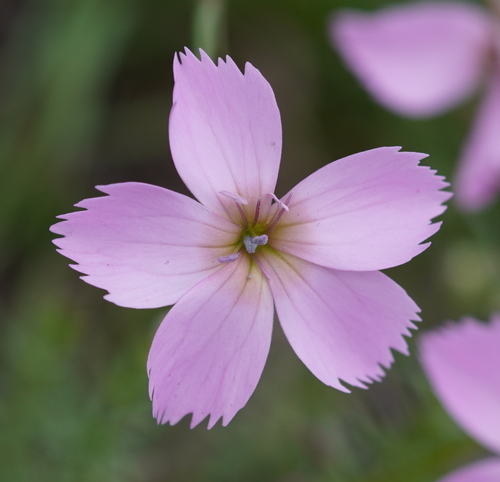
Representative Caryophyllaceae Species

How to identify Dianthus sylvestris Wulfen

Dianthus sylvestris Wulfen

Dianthus sylvestris Wulfen

Dianthus sylvestris, the wood pink, is a perennial Dianthus found in Europe, gro…

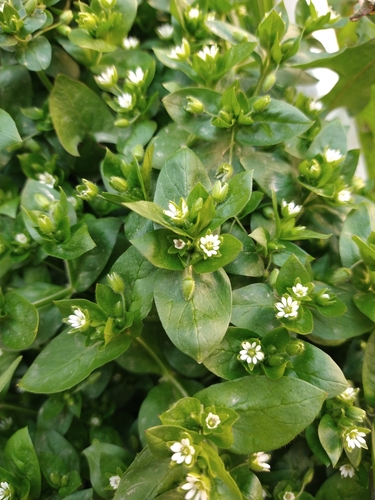
How to identify Stellaria media (L.) Vill.

Stellaria media (L.) Vill.

Stellaria media (L.) Vill.

Stellaria media (common chickweed) is a widespread edible annual with recorded f…

⚠️ Poisonous
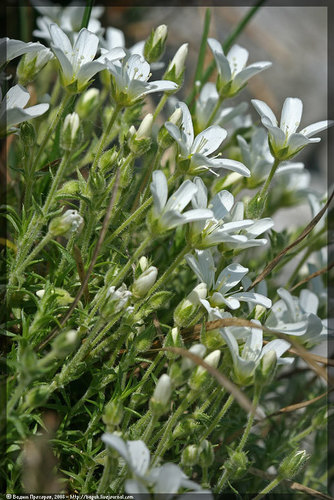
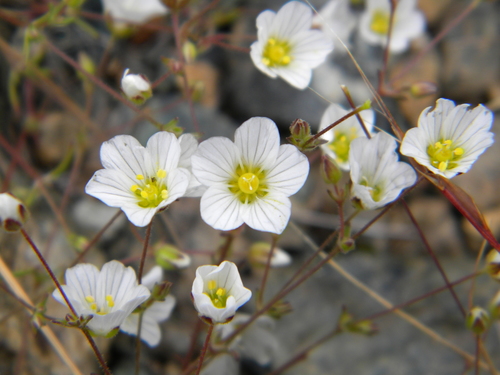
How to identify Arenaria grandiflora L.

Arenaria grandiflora L.

Arenaria grandiflora L.

Arenaria grandiflora L. is a Caryophyllaceae plant native to parts of Europe and…

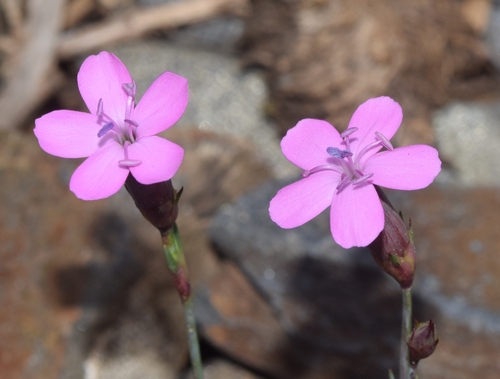
How to identify Dianthus pungens L.

Dianthus pungens L.

Dianthus pungens L.

Dianthus pungens L. is a herbaceous perennial caryophyllaceous plant native to F…

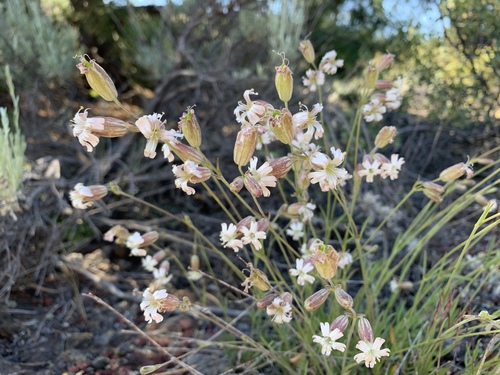
How to identify Silene douglasii Hook.

Silene douglasii Hook.

Silene douglasii Hook.

Silene douglasii Hook. is a tufted perennial herb with veined calyxes and lobed …

How to identify Sabulina douglasii (Fenzl ex Torr. & A.Gray) Dillenb. & Kadereit

Sabulina douglasii (Fenzl ex Torr. & A.Gray) Dillenb. & Kadereit

Sabulina douglasii (Fenzl ex Torr. & A.Gray) Dillenb. & Kadereit

Sabulina douglasii is an annual herb with slender stems, curling threadlike leav…

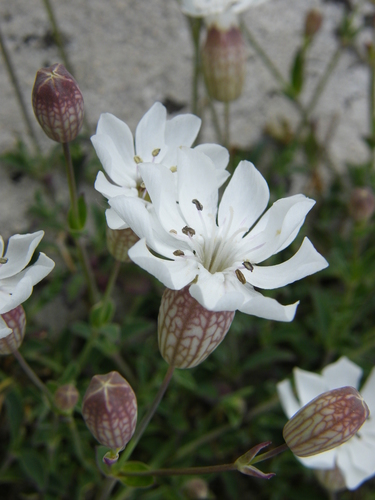
How to identify Silene uniflora Roth

Silene uniflora Roth

Silene uniflora Roth

Silene uniflora Roth is a mat-forming perennial maritime plant native to Europea…

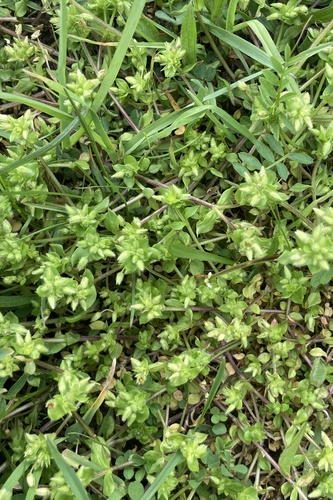
How to identify Stellaria apetala Bernardino

Stellaria apetala Bernardino

Stellaria apetala Bernardino

Stellaria apetala (lesser chickweed) is a low-growing, patch-forming annual herb…

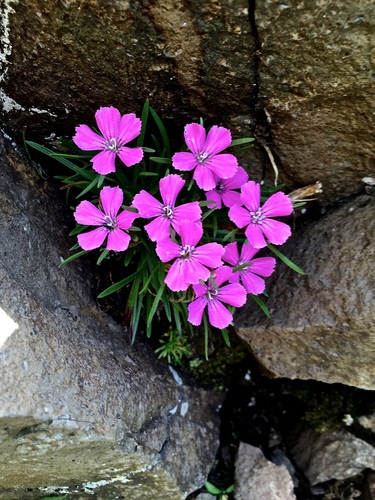
How to identify Dianthus glacialis Haenke

Dianthus glacialis Haenke

Dianthus glacialis Haenke

Dianthus glacialis (glacier/ice pink) is a dwarf pink native to the eastern Alps…

How to identify Silene supina M.Bieb.

Silene supina M.Bieb.

Silene supina M.Bieb.

Silene supina M.Bieb. is a flowering plant in the Caryophyllaceae family native …

How to identify Stellaria pungens Brongn.

Stellaria pungens Brongn.

Stellaria pungens Brongn.

Stellaria pungens is a mat-forming perennial forb that grows in Australian woodl…

How to identify Petrorhagia dubia (Raf.) G.López & Romo

Petrorhagia dubia (Raf.) G.López & Romo

Petrorhagia dubia (Raf.) G.López & Romo

Petrorhagia dubia, the hairy pink, is an annual flowering plant in the Caryophyl…

Browse all 413 Caryophyllaceae species →

Frequently Asked Questions

How do you identify Caryophyllaceae?

Caryophyllaceae plants belong to the Caryophyllales order in the Plantae kingdom. Stellaria apetala Bernardino, commonly known as lesser chickweed, is a low-growing, patch-forming annual herb with a distinct yellowish-green color. For instant identification, use the iNature app — AI-powered and works offline.

What are the key characteristics of Caryophyllaceae?

Caryophyllaceae is classified in the order Caryophyllales, class Magnoliopsida, phylum Tracheophyta. In Britain, it is commonly found in the distinctive U1 Rumex acetosella grassland community, where it is sometimes considered an axiophyte of species-rich habitats.

⚠️ Are any Caryophyllaceae species poisonous?

Yes, some Caryophyllaceae species are toxic or poisonous. Always exercise caution with unknown specimens. View poisonous Caryophyllaceae species or browse the full poisonous species guide.

Sources: GBIF, iNaturalist, Wikipedia · Disclaimer

Start Exploring Nature Today

Download iNature for free. 10 identifications on us. No account needed. No credit card required.

Download Free on App Store