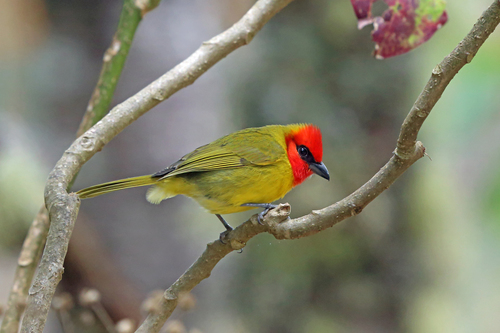
How to Identify Cardinalidae

Cardinalidae is a animal family in the Animalia kingdom, order Passeriformes, class Aves. The family contains 37 accepted species worldwide.

Key Identification Features

For instant identification in the field, use the iNature app — AI-powered, works offline.
Representative Cardinalidae Species

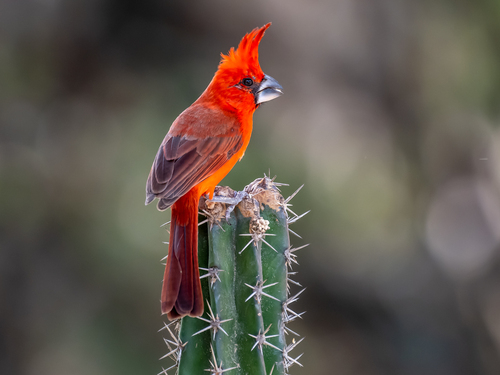
How to identify Cardinalis phoeniceus Bonaparte, 1838

Cardinalis phoeniceus Bonaparte, 1838

Cardinalis phoeniceus Bonaparte, 1838

Cardinalis phoeniceus, the vermilion cardinal, is a 19 cm red and brown bird fou…

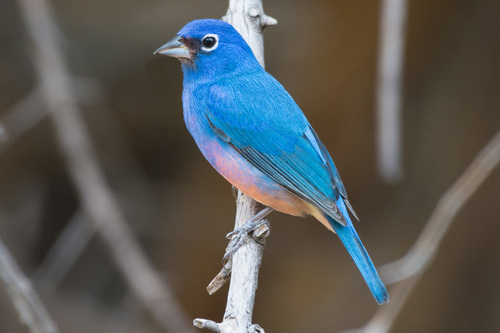
How to identify Passerina rositae (Lawrence, 1874)

Passerina rositae (Lawrence, 1874)

Passerina rositae (Lawrence, 1874)

Passerina rositae, the rose-bellied bunting, is a small bird found in southern M…

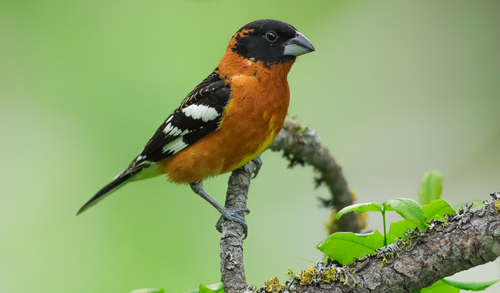
How to identify Pheucticus melanocephalus (Swainson, 1827)

Pheucticus melanocephalus (Swainson, 1827)

Pheucticus melanocephalus (Swainson, 1827)

Pheucticus melanocephalus, the black-headed grosbeak, is a small migratory North…

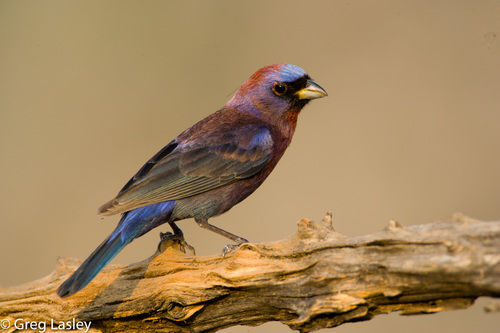
How to identify Passerina versicolor (Bonaparte, 1838)

Passerina versicolor (Bonaparte, 1838)

Passerina versicolor (Bonaparte, 1838)

Passerina versicolor, the varied bunting, is a small North and Central American …

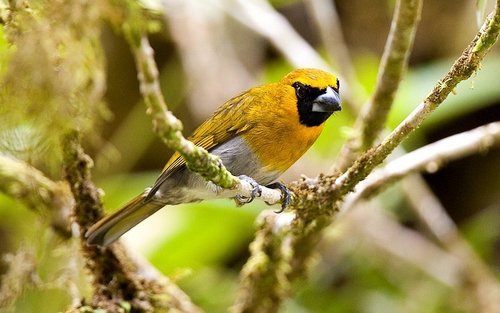
How to identify Caryothraustes poliogaster (Du Bus de Gisignies, 1847)

Caryothraustes poliogaster (Du Bus de Gisignies, 1847)

Caryothraustes poliogaster (Du Bus de Gisignies, 1847)

Caryothraustes poliogaster, the black-faced grosbeak, is a Central American song…

How to identify Cyanocompsa parellina (Bonaparte, 1850)

Cyanocompsa parellina (Bonaparte, 1850)

Cyanocompsa parellina (Bonaparte, 1850)

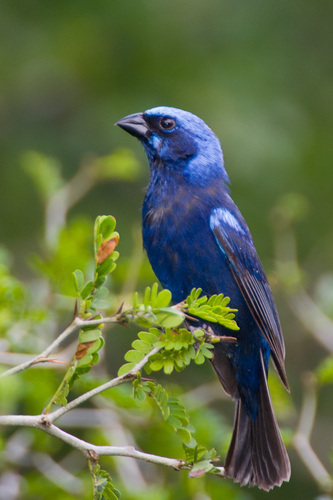
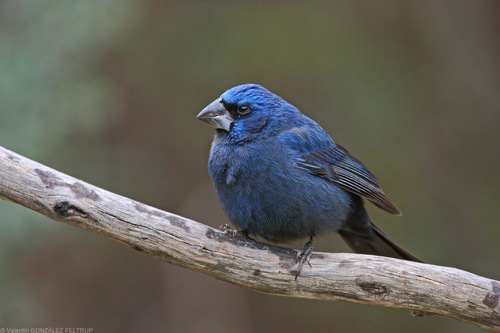
Cyanocompsa parellina (blue bunting) is a small bird with four subspecies that v…

How to identify Passerina caerulea (Linnaeus, 1758)

Passerina caerulea (Linnaeus, 1758)

Passerina caerulea (Linnaeus, 1758)

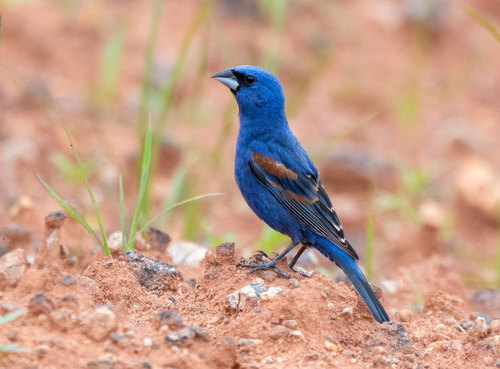
Passerina caerulea, the blue grosbeak, is a sexually dimorphic migratory bird th…

How to identify Cyanoloxia brissonii (Lichtenstein & Mhc, 1823)

Cyanoloxia brissonii (Lichtenstein & Mhc, 1823)

Cyanoloxia brissonii (Lichtenstein & Mhc, 1823)

Cyanoloxia brissonii, the ultramarine grosbeak, is a small territorial South Ame…

How to identify Spiza americana (J.F.Gmelin, 1789)

Spiza americana (J.F.Gmelin, 1789)

Spiza americana (J.F.Gmelin, 1789)

Spiza americana, or dickcissel, is a North American migratory bird with distinct…

How to identify Pheucticus ludovicianus (Linnaeus, 1766)

Pheucticus ludovicianus (Linnaeus, 1766)

Pheucticus ludovicianus (Linnaeus, 1766)

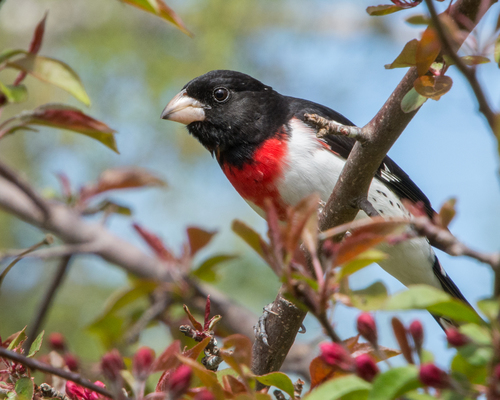
Pheucticus ludovicianus, the rose-breasted grosbeak, is a migratory bird with va…

How to identify Cardinalis cardinalis (Linnaeus, 1758)

Cardinalis cardinalis (Linnaeus, 1758)

Cardinalis cardinalis (Linnaeus, 1758)

Cardinalis cardinalis (Linnaeus, 1758), the northern cardinal, is a mid-sized No…

How to identify Piranga erythrocephala (Swainson, 1827)

Piranga erythrocephala (Swainson, 1827)

Piranga erythrocephala (Swainson, 1827)

Piranga erythrocephala, the red-headed tanager, is a small Mexican songbird with…

Browse all 37 Cardinalidae species →

Frequently Asked Questions

How do you identify Cardinalidae?

Cardinalidae animals belong to the Passeriformes order in the Animalia kingdom. Cyanocompsa parellina, commonly called the blue bunting, has several recognized subspecies with distinct physical traits. For instant identification, use the iNature app — AI-powered and works offline.

What are the key characteristics of Cardinalidae?

Cardinalidae is classified in the order Passeriformes, class Aves, phylum Chordata. Each subspecies has a distinct geographic range.

Sources: GBIF, iNaturalist, Wikipedia · Disclaimer

Start Exploring Nature Today

Download iNature for free. 10 identifications on us. No account needed. No credit card required.

Download Free on App Store