How to Identify Caprifoliaceae

Caprifoliaceae is a plant family in the Plantae kingdom, order Dipsacales, class Magnoliopsida. The family contains 187 accepted species worldwide. Some species in this family are toxic — exercise caution when handling unknown specimens.

Key Identification Features

For instant identification in the field, use the iNature app — AI-powered, works offline.
Representative Caprifoliaceae Species

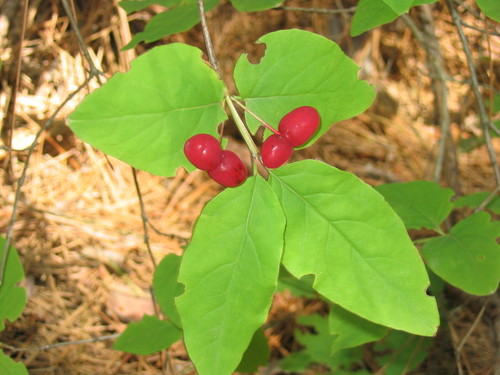
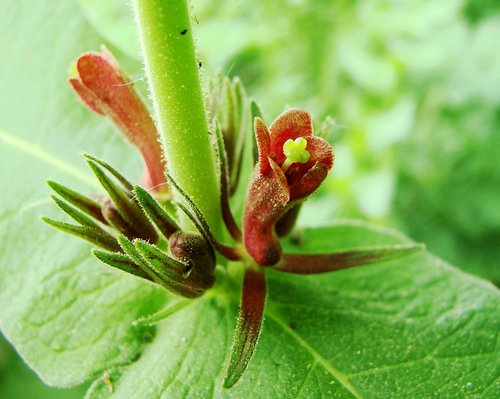
How to identify Triosteum aurantiacum E.P.Bicknell

Triosteum aurantiacum E.P.Bicknell

Triosteum aurantiacum E.P.Bicknell

Triosteum aurantiacum is a North American native perennial that has medicinal an…

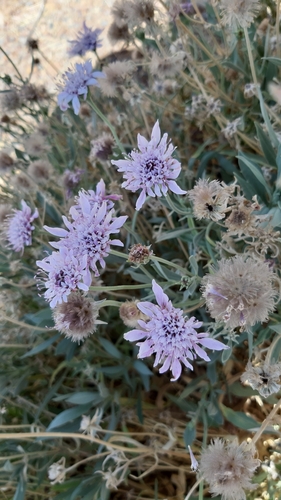
How to identify Pterocephalus lasiospermus Link

Pterocephalus lasiospermus Link

Pterocephalus lasiospermus Link

Pterocephalus lasiospermus Link is an endemic Tenerife shrub that blooms in earl…

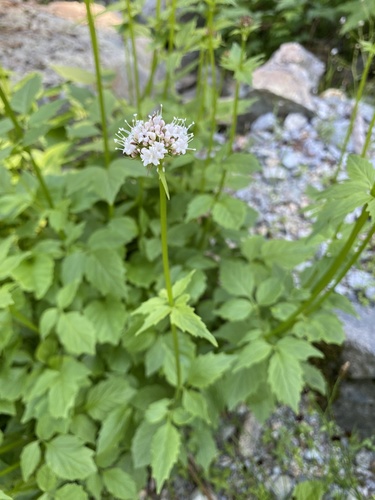
How to identify Valeriana sitchensis Bong.

Valeriana sitchensis Bong.

Valeriana sitchensis Bong.

Valeriana sitchensis, or Sitka valerian, is a native northwestern North American…

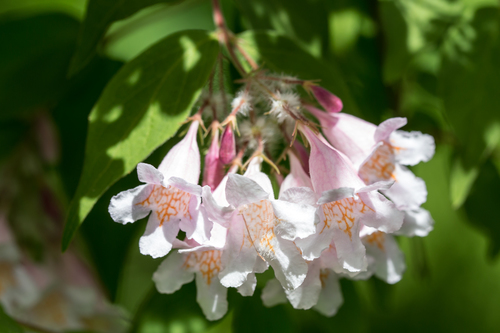
How to identify Kolkwitzia amabilis Graebn.

Kolkwitzia amabilis Graebn.

Kolkwitzia amabilis Graebn.

Kolkwitzia amabilis Graebn. is a spreading arching flowering shrub, with cultiva…

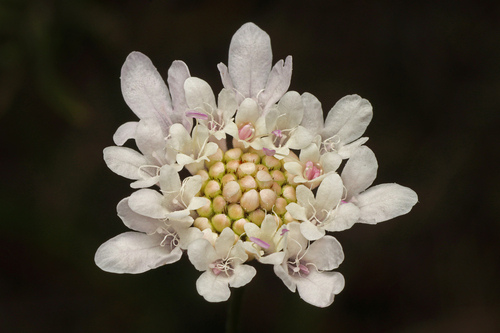
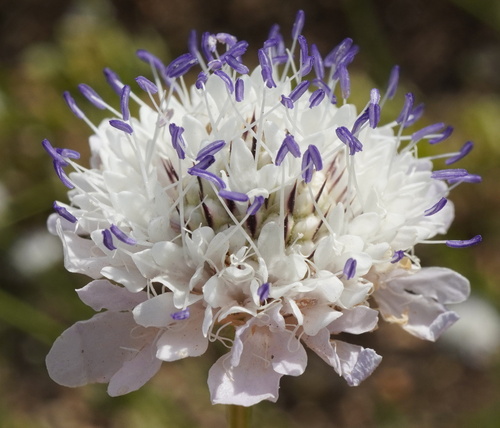
How to identify Sixalix atropurpurea (L.) Greuter & Burdet

Sixalix atropurpurea (L.) Greuter & Burdet

Sixalix atropurpurea (L.) Greuter & Burdet

Sixalix atropurpurea is a southern European flowering plant grown as a cut flowe…

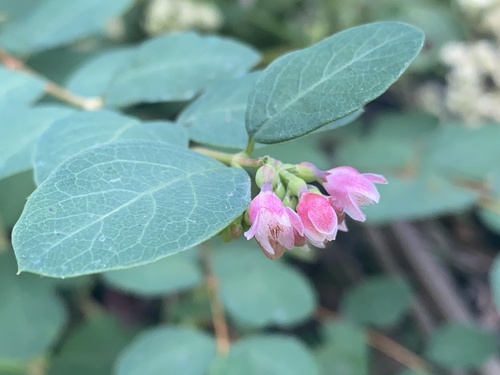
How to identify Symphoricarpos albus (L.) K.Koch

Symphoricarpos albus (L.) K.Koch

Symphoricarpos albus (L.) K.Koch

Symphoricarpos albus is a deciduous shrub native to North America, with varied u…

⚠️ Poisonous
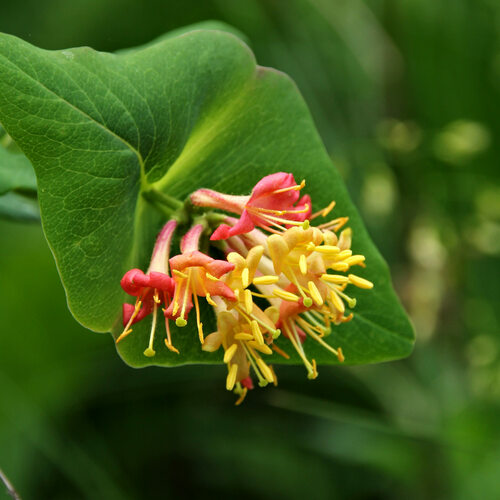
How to identify Lonicera dioica L.

Lonicera dioica L.

Lonicera dioica L.

Lonicera dioica, or limber/glaucous honeysuckle, is a native North American hone…

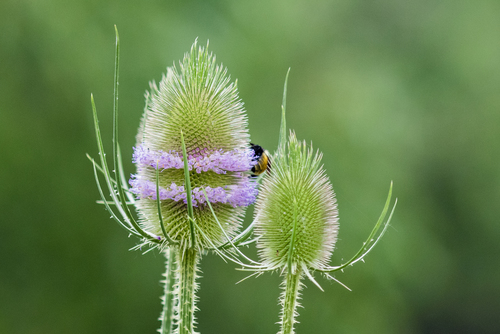
How to identify Dipsacus fullonum L.

Dipsacus fullonum L.

Dipsacus fullonum L.

Dipsacus fullonum L. is a flowering teasel with ongoing scientific debate over w…

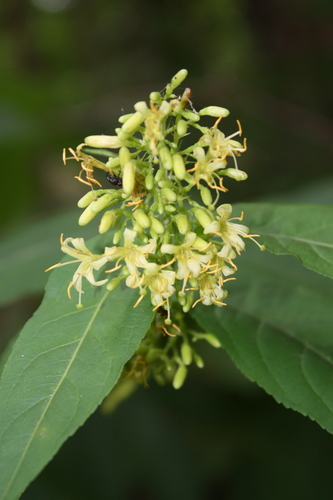
How to identify Diervilla sessilifolia Buckley

Diervilla sessilifolia Buckley

Diervilla sessilifolia Buckley

Diervilla sessilifolia (southern bush honeysuckle) is a threatened perennial sum…

How to identify Lonicera canadensis Bartram ex Marshall

Lonicera canadensis Bartram ex Marshall

Lonicera canadensis Bartram ex Marshall

Lonicera canadensis, American fly honeysuckle, is a native North American decidu…

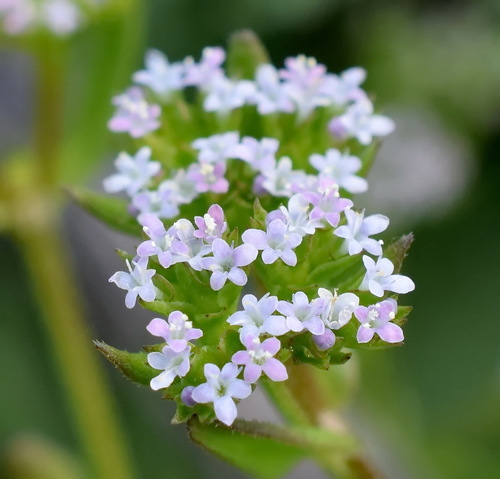
How to identify Valerianella muricata Heldr. ex Nyman, 1879

Valerianella muricata Heldr. ex Nyman, 1879

Valerianella muricata Heldr. ex Nyman, 1879

Valerianella muricata is an annual flowering plant in the Caprifoliaceae family,…

How to identify Cephalaria transsylvanica (L.) Schrad. ex Roem. & Schult.

Cephalaria transsylvanica (L.) Schrad. ex Roem. & Schult.

Cephalaria transsylvanica (L.) Schrad. ex Roem. & Schult.

The original material of Cephalaria transsylvanica (L.) Schrad. ex Roem. & Schul…

Browse all 187 Caprifoliaceae species →

Frequently Asked Questions

How do you identify Caprifoliaceae?

Caprifoliaceae plants belong to the Dipsacales order in the Plantae kingdom. Teasels are easily recognized by their prickly stems and leaves, and by their inflorescence: clusters of purple, dark pink, or lavender flowers that form a dense head at the end of stems. For instant identification, use the iNature app — AI-powered and works offline.

What are the key characteristics of Caprifoliaceae?

Caprifoliaceae is classified in the order Dipsacales, class Magnoliopsida, phylum Tracheophyta. The family contains 187 accepted species worldwide.

⚠️ Are any Caprifoliaceae species poisonous?

Yes, some Caprifoliaceae species are toxic or poisonous. Always exercise caution with unknown specimens. View poisonous Caprifoliaceae species or browse the full poisonous species guide.

Sources: GBIF, iNaturalist, Wikipedia · Disclaimer

Start Exploring Nature Today

Download iNature for free. 10 identifications on us. No account needed. No credit card required.

Download Free on App Store