How to Identify Burseraceae

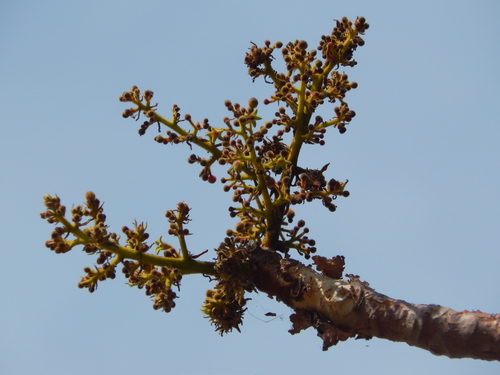
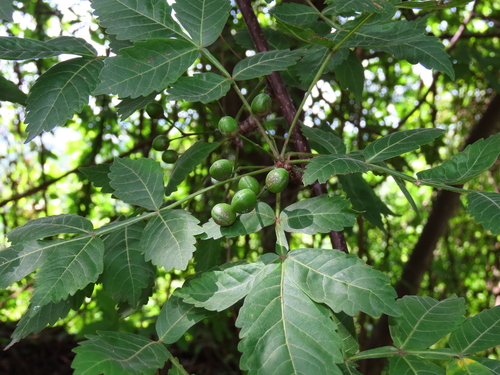
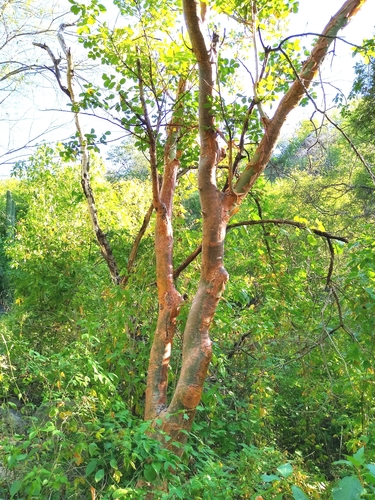
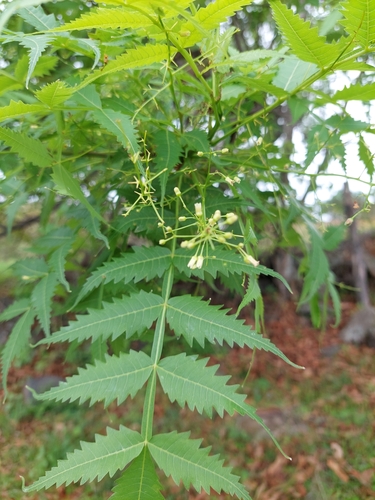
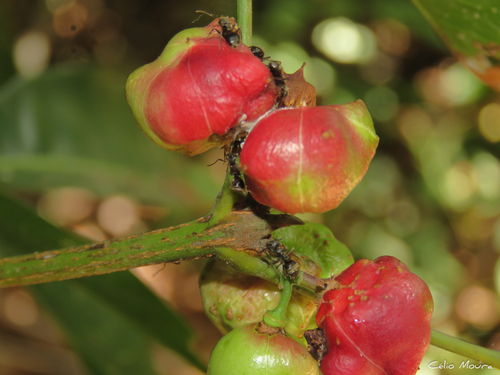
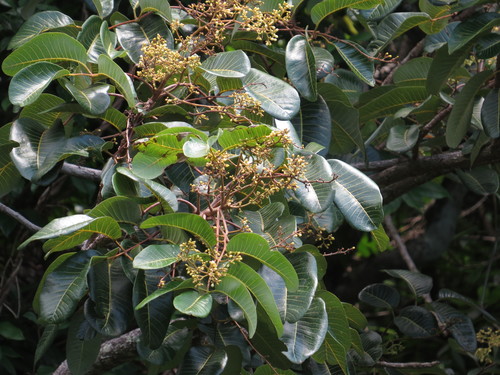
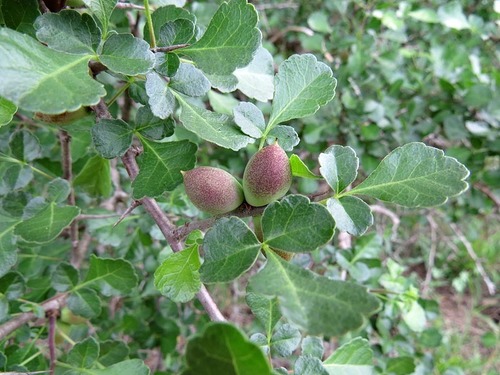
Burseraceae is a plant family in the Plantae kingdom, order Sapindales, class Magnoliopsida. The family contains 36 accepted species worldwide.

Key Identification Features

For instant identification in the field, use the iNature app — AI-powered, works offline.
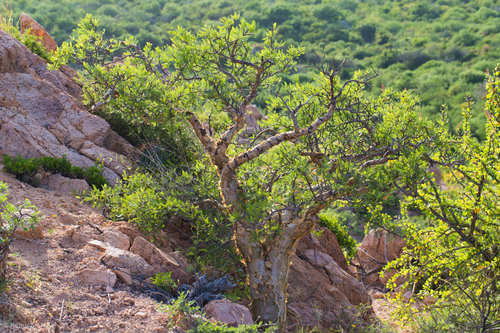
Representative Burseraceae Species

How to identify Bursera microphylla A.Gray

Bursera microphylla A.Gray

Bursera microphylla A.Gray

Bursera microphylla is a desert-adapted North American tree with documented trad…

How to identify Boswellia serrata Roxb. ex Colebr.

Boswellia serrata Roxb. ex Colebr.

Boswellia serrata Roxb. ex Colebr.

Boswellia serrata, the plant that produces Indian frankincense, is native to Ind…

How to identify Bursera graveolens (Kunth) Triana & Planch.

Bursera graveolens (Kunth) Triana & Planch.

Bursera graveolens (Kunth) Triana & Planch.

Bursera graveolens (palo santo) is a wild tree native to Central and South Ameri…

How to identify Bursera grandifolia (Schltdl.) Engl.

Bursera grandifolia (Schltdl.) Engl.

Bursera grandifolia (Schltdl.) Engl.

Bursera grandifolia is a widespread tree of Mexico and Central America in the fr…

How to identify Bursera penicillata (Sessé & Moc.) Engl.

Bursera penicillata (Sessé & Moc.) Engl.

Bursera penicillata (Sessé & Moc.) Engl.

Bursera penicillata is a widespread Mexican small tree in the frankincense famil…

How to identify Canarium subulatum Guillaumin

Canarium subulatum Guillaumin

Canarium subulatum Guillaumin

Canarium subulatum is a Burseraceae tropical forest tree found in southern China…

How to identify Bursera simaruba (L.) Sarg.

Bursera simaruba (L.) Sarg.

Bursera simaruba (L.) Sarg.

Bursera simaruba, commonly gumbo-limbo, is a versatile tree with many ecological…

How to identify Bursera hindsiana (Benth.) Engl.

Bursera hindsiana (Benth.) Engl.

Bursera hindsiana (Benth.) Engl.

Bursera hindsiana is a small Mexican tree in the frankincense family that grows …

How to identify Bursera cerasiifolia Brandegee

Bursera cerasiifolia Brandegee

Bursera cerasiifolia Brandegee

Bursera cerasiifolia is an uncommon shrub or small tree found only in Baja Calif…

How to identify Protium heptaphyllum (Aubl.) Marchand

Protium heptaphyllum (Aubl.) Marchand

Protium heptaphyllum (Aubl.) Marchand

Protium heptaphyllum is an evergreen Amazonian tree with edible fruit, useful wo…

How to identify Canarium australianum F.Muell.

Canarium australianum F.Muell.

Canarium australianum F.Muell.

Canarium australianum F.Muell., commonly scrub turpentine, is a dioecious tree n…

How to identify Commiphora africana (Rich.) Engl.

Commiphora africana (Rich.) Engl.

Commiphora africana (Rich.) Engl.

Commiphora africana (African myrrh) is a small deciduous sub-Saharan tree with m…

Browse all 36 Burseraceae species →

Frequently Asked Questions

How do you identify Burseraceae?

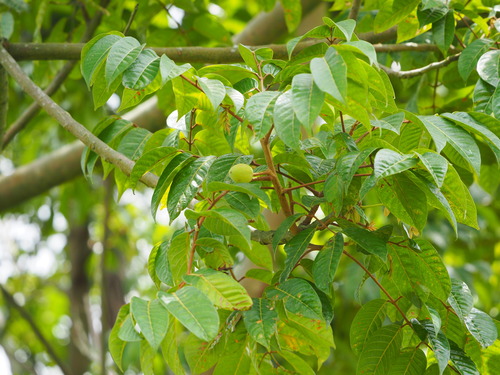
Burseraceae plants belong to the Sapindales order in the Plantae kingdom. Leaflets are usually glabrous; the midrib and lateral veins are raised on the leaflet upper surface, and have a distinct pale yellow color. For instant identification, use the iNature app — AI-powered and works offline.

What are the key characteristics of Burseraceae?

Burseraceae is classified in the order Sapindales, class Magnoliopsida, phylum Tracheophyta. On sandy soils, this species sometimes forms pure stands that can be considered a distinct plant community or association.

Sources: GBIF, iNaturalist, Wikipedia · Disclaimer

Start Exploring Nature Today

Download iNature for free. 10 identifications on us. No account needed. No credit card required.

Download Free on App Store