How to Identify Boraginaceae

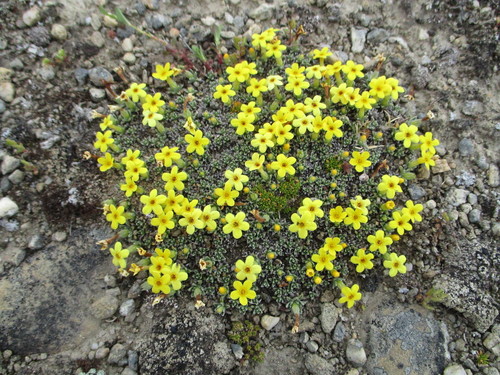
Boraginaceae is a plant family in the Plantae kingdom, order Boraginales, class Magnoliopsida. The family contains 305 accepted species worldwide. Some species in this family are toxic — exercise caution when handling unknown specimens.

Key Identification Features

For instant identification in the field, use the iNature app — AI-powered, works offline.
Representative Boraginaceae Species

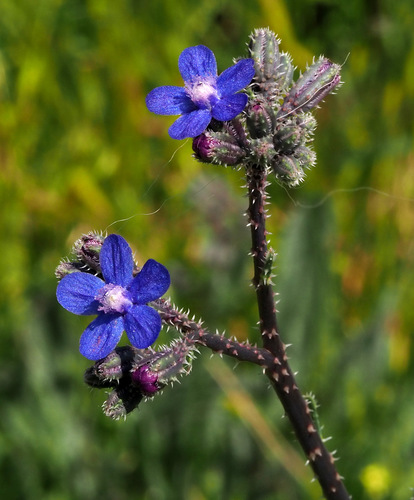
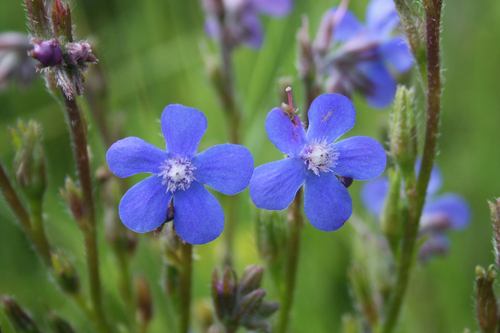
How to identify Anchusa azurea Mill.

Anchusa azurea Mill.

Anchusa azurea Mill.

Anchusa azurea Mill., a bristly perennial in Boraginaceae, is cultivated as a ga…

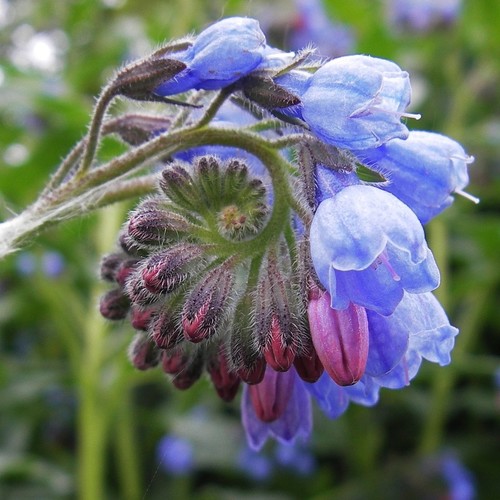
How to identify Symphytum caucasicum M.Bieb.

Symphytum caucasicum M.Bieb.

Symphytum caucasicum M.Bieb.

Symphytum caucasicum M.Bieb. is an ornamental Boraginaceae plant native to the C…

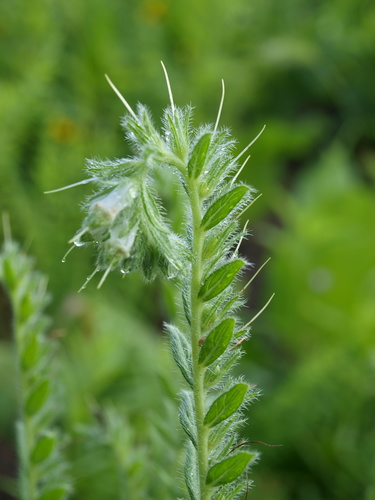
How to identify Anchusa strigosa Banks & Sol.

Anchusa strigosa Banks & Sol.

Anchusa strigosa Banks & Sol.

Anchusa strigosa is a perennial herb native to the Eastern Mediterranean and Wes…

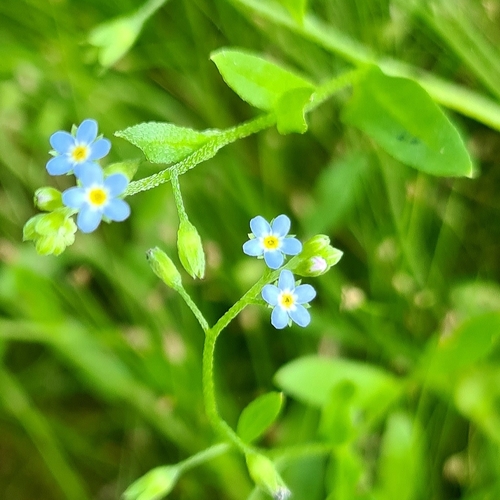
How to identify Myosotis scorpioides L.

Myosotis scorpioides L.

Myosotis scorpioides L.

Myosotis scorpioides (water scorpion grass) is a wet-loving herbaceous perennial…

How to identify Lithospermum parviflorum Weakley, Witsell & D.Estes

Lithospermum parviflorum Weakley, Witsell & D.Estes

Lithospermum parviflorum Weakley, Witsell & D.Estes

Lithospermum parviflorum, Eastern Prairie Marbleseed, is a rare declining perenn…

How to identify Oreocarya suffruticosa (Torr.) Greene

Oreocarya suffruticosa (Torr.) Greene

Oreocarya suffruticosa (Torr.) Greene

Oreocarya suffruticosa is a Boraginaceae flowering plant native to the US and Me…

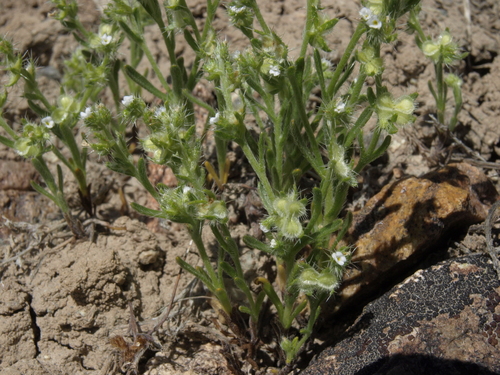
How to identify Pectocarya setosa A.Gray

Pectocarya setosa A.Gray

Pectocarya setosa A.Gray

Pectocarya setosa is an annual herb native to western North America, growing in …

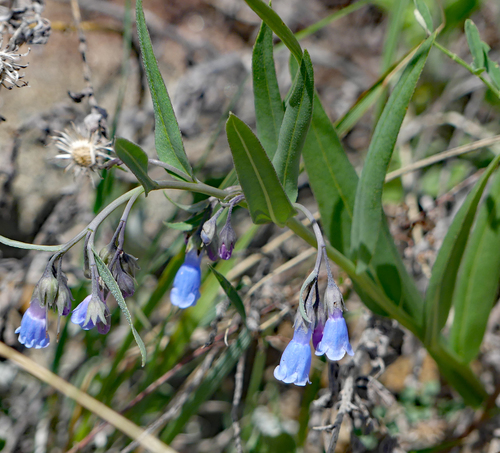
How to identify Mertensia lanceolata (Pursh) A.DC.

Mertensia lanceolata (Pursh) A.DC.

Mertensia lanceolata (Pursh) A.DC.

Mertensia lanceolata is a variable herb native to Rocky Mountain and adjacent No…

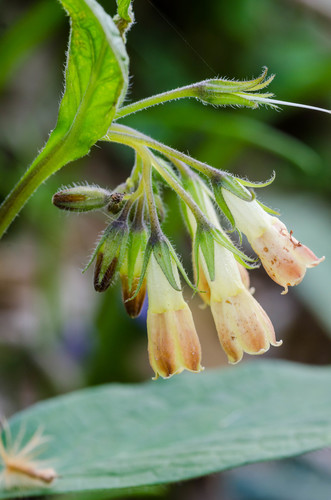
How to identify Symphytum tuberosum L.

Symphytum tuberosum L.

Symphytum tuberosum L.

Symphytum tuberosum L. (tuberous comfrey) is a hardy plant found across Europe w…

⚠️ Poisonous
How to identify Myosotis uniflora Hook.fil.

Myosotis uniflora Hook.fil.

Myosotis uniflora Hook.fil.

Myosotis uniflora is an outcrossing forget-me-not endemic to the South Island of…

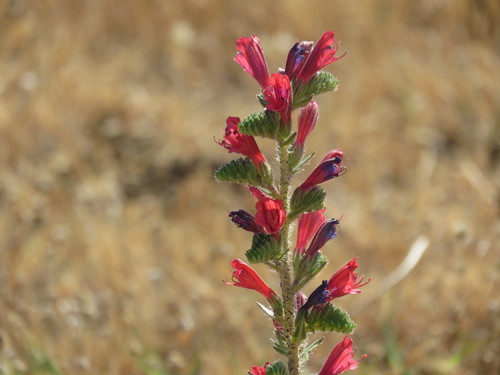
How to identify Echium tuberculatum Hoffmanns. & Link

Echium tuberculatum Hoffmanns. & Link

Echium tuberculatum Hoffmanns. & Link

Echium tuberculatum is a hardy self-seeding garden perennial with sprawling red …

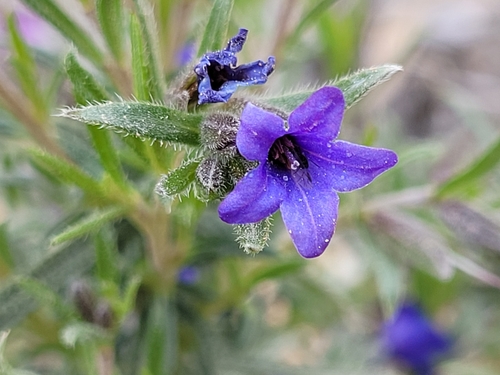
How to identify Lithodora fruticosa (L.) Griseb.

Lithodora fruticosa (L.) Griseb.

Lithodora fruticosa (L.) Griseb.

Lithodora fruticosa, or shrubby gromwell, is a small perennial shrub native to s…

Browse all 305 Boraginaceae species →

Frequently Asked Questions

How do you identify Boraginaceae?

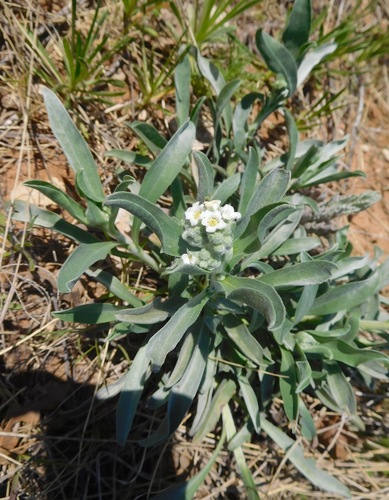
Boraginaceae plants belong to the Boraginales order in the Plantae kingdom. This species is distinguished by its long style. For instant identification, use the iNature app — AI-powered and works offline.

What are the key characteristics of Boraginaceae?

Boraginaceae is classified in the order Boraginales, class Magnoliopsida, phylum Tracheophyta. Both its stems and leaves are covered in soft hairs, and its leaves have deep, distinct veins.

⚠️ Are any Boraginaceae species poisonous?

Yes, some Boraginaceae species are toxic or poisonous. Always exercise caution with unknown specimens. View poisonous Boraginaceae species or browse the full poisonous species guide.

Sources: GBIF, iNaturalist, Wikipedia · Disclaimer

Start Exploring Nature Today

Download iNature for free. 10 identifications on us. No account needed. No credit card required.

Download Free on App Store