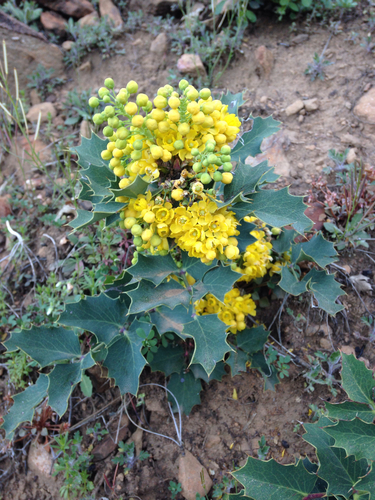
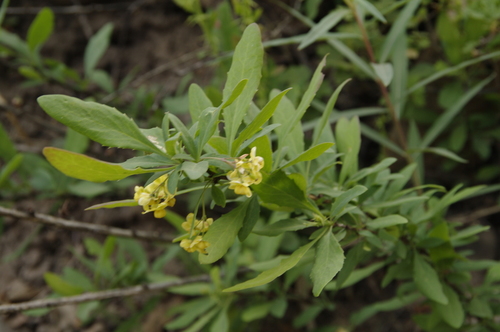
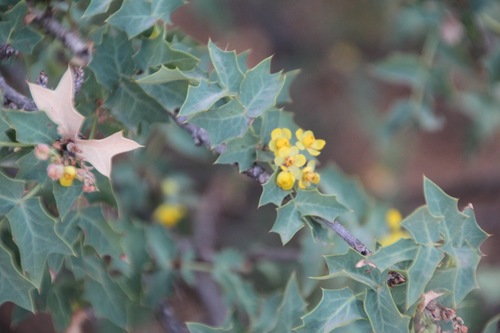
How to Identify Berberidaceae

Berberidaceae is a plant family in the Plantae kingdom, order Ranunculales, class Magnoliopsida. The family contains 67 accepted species worldwide. Some species in this family are toxic — exercise caution when handling unknown specimens.

Key Identification Features

For instant identification in the field, use the iNature app — AI-powered, works offline.
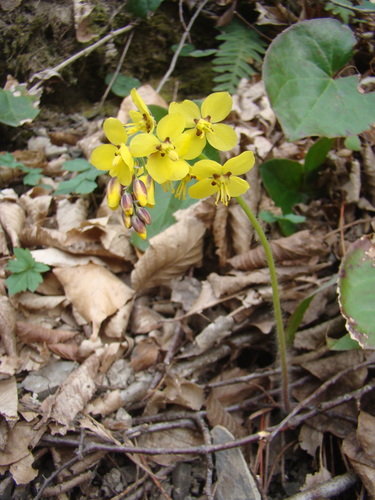
Representative Berberidaceae Species

How to identify Epimedium pinnatum DC.

Epimedium pinnatum DC.

Epimedium pinnatum DC.

Epimedium pinnatum is an evergreen perennial flowering plant in the barberry fam…

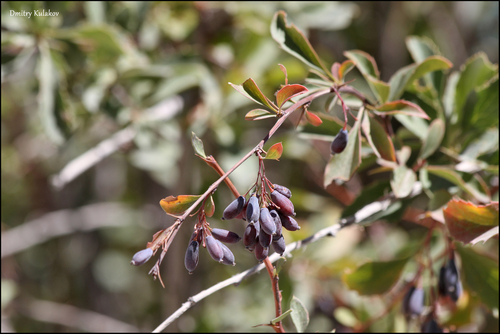
How to identify Berberis integerrima Bunge

Berberis integerrima Bunge

Berberis integerrima Bunge

Berberis canadensis is a deciduous North American shrub with edible tart berries…

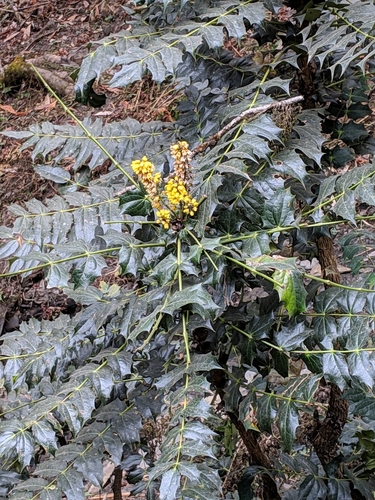
How to identify Mahonia napaulensis DC.

Mahonia napaulensis DC.

Mahonia napaulensis DC.

Mahonia napaulensis DC. is a flowering shrub or small tree with cultural and med…

How to identify Berberis morrisonensis Hayata

Berberis morrisonensis Hayata

Berberis morrisonensis Hayata

Berberis morrisonensis Hayata is a slightly shade-loving deciduous shrub native …

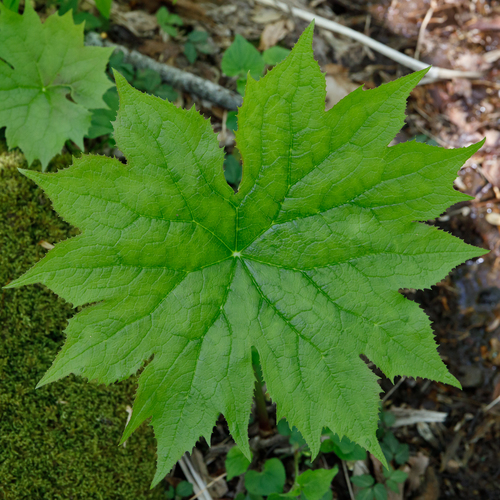
How to identify Diphylleia cymosa Michx.

Diphylleia cymosa Michx.

Diphylleia cymosa Michx.

Diphylleia cymosa, or umbrella leaf, is a southeast U.S. endemic ornamental plan…

How to identify Berberis amurensis Rupr.

Berberis amurensis Rupr.

Berberis amurensis Rupr.

Berberis amurensis (Amur barberry) is an Asian native shrub with red oblong berr…

How to identify Bongardia chrysogonum (L.) Spach

Bongardia chrysogonum (L.) Spach

Bongardia chrysogonum (L.) Spach

Bongardia chrysogonum is a tuberous herb in the Berberidaceae family, with edibl…

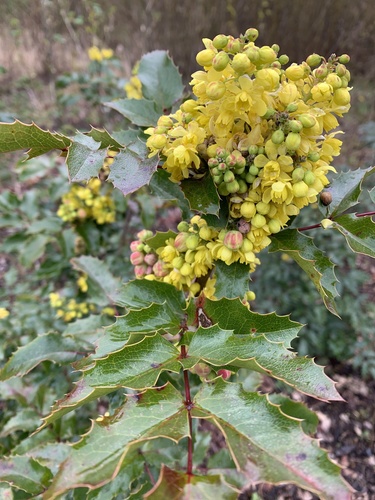
How to identify Mahonia aquifolium (Pursh) Nutt.

Mahonia aquifolium (Pursh) Nutt.

Mahonia aquifolium (Pursh) Nutt.

Mahonia aquifolium, commonly called Oregon grape, is a North American native shr…

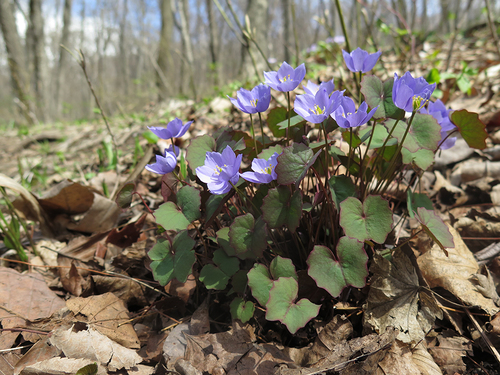
How to identify Plagiorhegma dubium Maxim.

Plagiorhegma dubium Maxim.

Plagiorhegma dubium Maxim.

Plagiorhegma dubium (Asian twinleaf) is the only species in the monotypic Berber…

How to identify Mahonia dictyota (Jeps.) Fedde

Mahonia dictyota (Jeps.) Fedde

Mahonia dictyota (Jeps.) Fedde

Mahonia dictyota is an evergreen flowering shrub endemic to California, bearing …

How to identify Berberis fendleri A.Gray

Berberis fendleri A.Gray

Berberis fendleri A.Gray

Berberis fendleri A.Gray is a deciduous barberry species that grows up to 2 m ta…

How to identify Alloberberis fremontii (Torr.) C.C.Yu & K.F.Chung

Alloberberis fremontii (Torr.) C.C.Yu & K.F.Chung

Alloberberis fremontii (Torr.) C.C.Yu & K.F.Chung

Alloberberis fremontii is an evergreen shrub native to western US mountains, wit…

Browse all 67 Berberidaceae species →

Frequently Asked Questions

How do you identify Berberidaceae?

Berberidaceae plants belong to the Ranunculales order in the Plantae kingdom. Useful distinguishing features are that B. For instant identification, use the iNature app — AI-powered and works offline.

What are the key characteristics of Berberidaceae?

Berberidaceae is classified in the order Ranunculales, class Magnoliopsida, phylum Tracheophyta. Before 1996, the genus was considered to contain only a single species; in 1996, Govaerts recognized that Pakistani populations belong to a separate, distinct second species.

⚠️ Are any Berberidaceae species poisonous?

Yes, some Berberidaceae species are toxic or poisonous. Always exercise caution with unknown specimens. View poisonous Berberidaceae species or browse the full poisonous species guide.

Sources: GBIF, iNaturalist, Wikipedia · Disclaimer

Start Exploring Nature Today

Download iNature for free. 10 identifications on us. No account needed. No credit card required.

Download Free on App Store