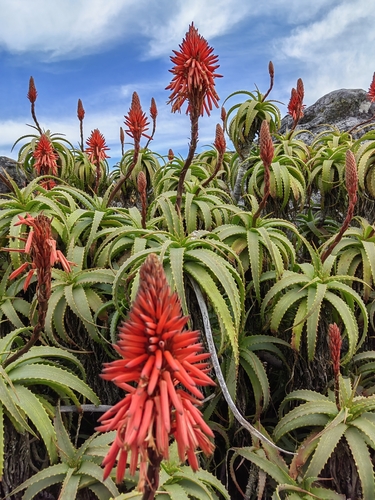
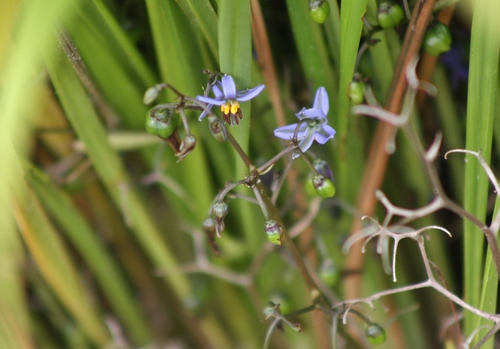
How to Identify Asphodelaceae

Asphodelaceae is a plant family in the Plantae kingdom, order Asparagales, class Liliopsida. The family contains 213 accepted species worldwide. Some species in this family are toxic — exercise caution when handling unknown specimens.

Key Identification Features

For instant identification in the field, use the iNature app — AI-powered, works offline.
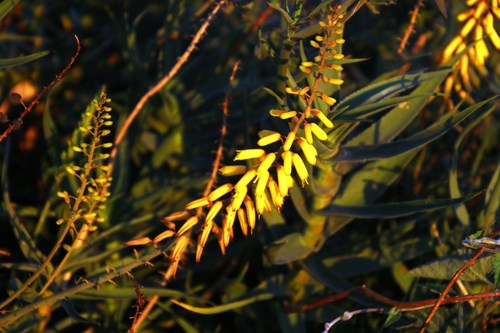
Representative Asphodelaceae Species

How to identify Aloiampelos tenuior (Haw.) Klopper & Gideon F.Sm.

Aloiampelos tenuior (Haw.) Klopper & Gideon F.Sm.

Aloiampelos tenuior (Haw.) Klopper & Gideon F.Sm.

Aloiampelos tenuior, commonly called fence aloe, is a medium bushy clumping aloe…

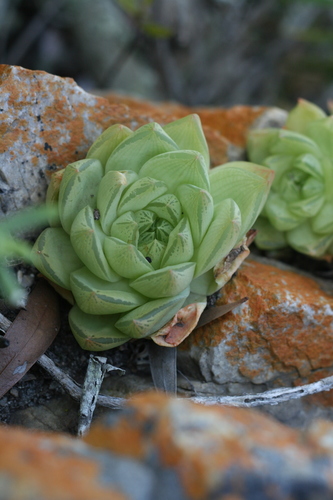
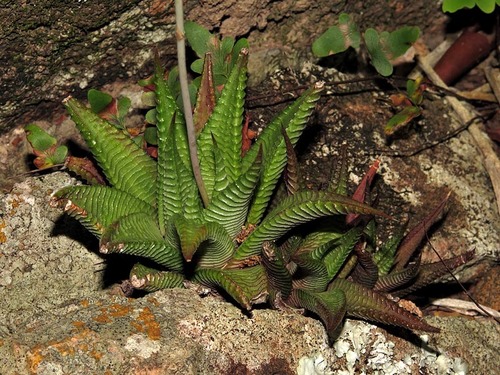
How to identify Haworthia cymbiformis (Haw.) Duval

Haworthia cymbiformis (Haw.) Duval

Haworthia cymbiformis (Haw.) Duval

Haworthia cymbiformis is a small clumping succulent native to Eastern Cape, Sout…

How to identify Aloe excelsa A.Berger

Aloe excelsa A.Berger

Aloe excelsa A.Berger

Aloe excelsa, the Zimbabwe Aloe, is a tall single-stemmed aloe native to south-c…

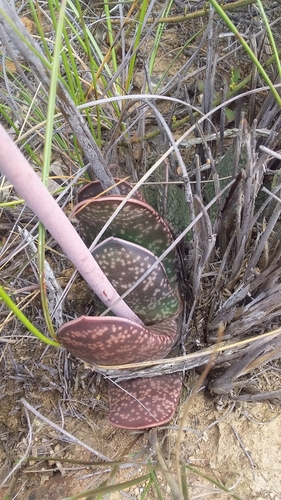
How to identify Gasteria brachyphylla (Salm-Dyck) van Jaarsv.

Gasteria brachyphylla (Salm-Dyck) van Jaarsv.

Gasteria brachyphylla (Salm-Dyck) van Jaarsv.

Gasteria brachyphylla is a distichous succulent from South Africa’s Western Cape…

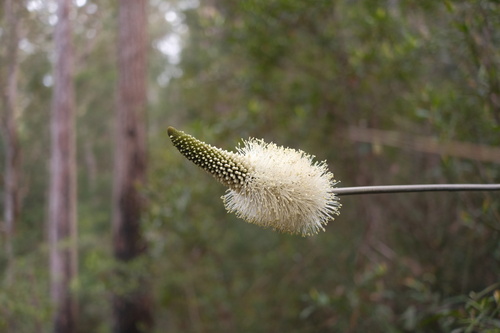
How to identify Xanthorrhoea macronema F.Muell. ex Benth.

Xanthorrhoea macronema F.Muell. ex Benth.

Xanthorrhoea macronema F.Muell. ex Benth.

Xanthorrhoea macronema, the bottlebrush grass tree, is an eastern Australian coa…

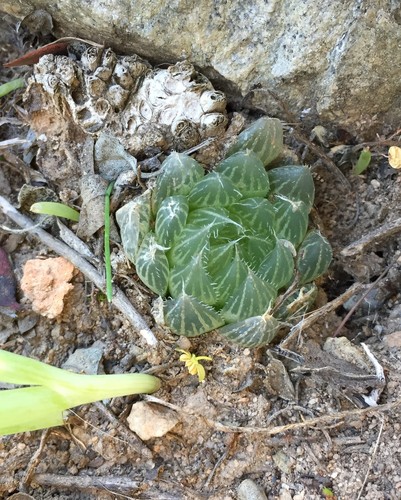
How to identify Haworthia cooperi Baker

Haworthia cooperi Baker

Haworthia cooperi Baker

Haworthia cooperi Baker is a variable small succulent from South Africa’s Easter…

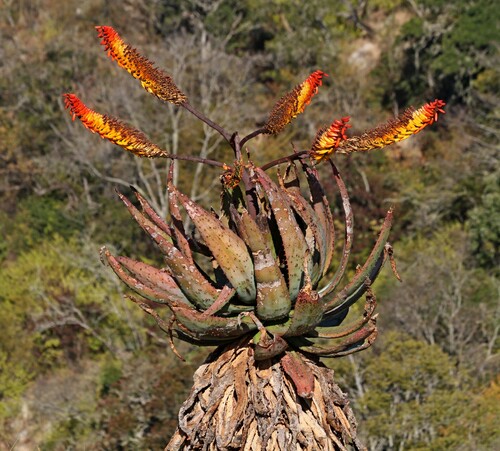
How to identify Aloe marlothii A.Berger

Aloe marlothii A.Berger

Aloe marlothii A.Berger

Aloe marlothii is a large arborescent aloe native to southern Africa, easily ide…

How to identify Haworthiopsis limifolia (Marloth) G.D.Rowley

Haworthiopsis limifolia (Marloth) G.D.Rowley

Haworthiopsis limifolia (Marloth) G.D.Rowley

Haworthiopsis limifolia is an Asphodelaceae flowering plant native to southeaste…

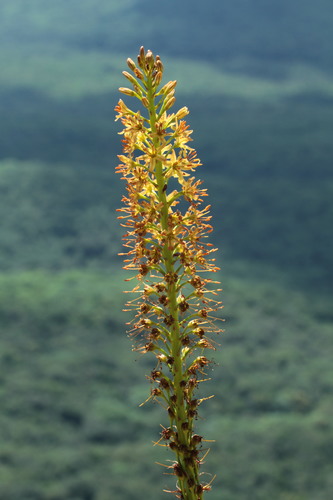
How to identify Eremurus spectabilis M.Bieb.

Eremurus spectabilis M.Bieb.

Eremurus spectabilis M.Bieb.

Eremurus spectabilis M.Bieb. is a perennial herb whose young leaves are eaten as…

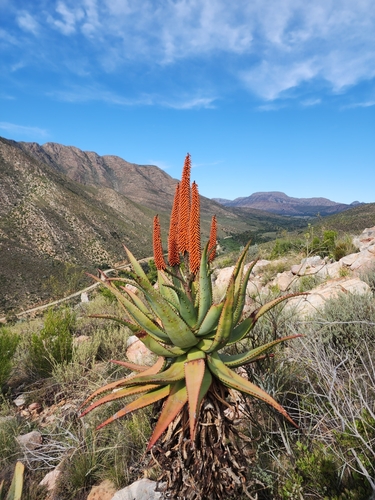
How to identify Aloe ferox Mill.

Aloe ferox Mill.

Aloe ferox Mill.

Aloe ferox (bitter aloe) is a variable single-stemmed aloe native to southern Af…

How to identify Aloe arborescens Mill.

Aloe arborescens Mill.

Aloe arborescens Mill.

Aloe arborescens, the krantz aloe, is a sprawling succulent native to Southern A…

How to identify Dianella brevicaulis (Ostenf.) G.W.Carr & P.F.Horsfall

Dianella brevicaulis (Ostenf.) G.W.Carr & P.F.Horsfall

Dianella brevicaulis (Ostenf.) G.W.Carr & P.F.Horsfall

Dianella brevicaulis, the coast flax-lily, is a small perennial herb native to s…

Browse all 213 Asphodelaceae species →

Frequently Asked Questions

How do you identify Asphodelaceae?

Asphodelaceae plants belong to the Asparagales order in the Plantae kingdom. Its leaves have a distinctive greyish-green color, and their margins bear tiny white teeth. For instant identification, use the iNature app — AI-powered and works offline.

What are the key characteristics of Asphodelaceae?

Asphodelaceae is classified in the order Asparagales, class Liliopsida, phylum Tracheophyta. A key distinctive feature of this species is its soft, boat-shaped leaves; the species epithet "cymbiformis" literally translates to "boat-shaped".

⚠️ Are any Asphodelaceae species poisonous?

Yes, some Asphodelaceae species are toxic or poisonous. Always exercise caution with unknown specimens. View poisonous Asphodelaceae species or browse the full poisonous species guide.

Sources: GBIF, iNaturalist, Wikipedia · Disclaimer

Start Exploring Nature Today

Download iNature for free. 10 identifications on us. No account needed. No credit card required.

Download Free on App Store