How to Identify Asparagaceae
Asparagaceae is a plant family in the Plantae kingdom, order Asparagales, class Liliopsida. The family contains 598 accepted species worldwide. Some species in this family are toxic — exercise caution when handling unknown specimens.
Representative Asparagaceae Species
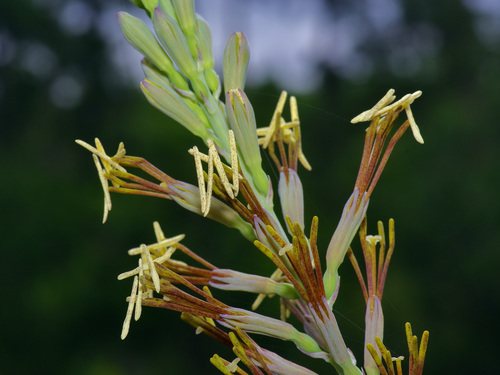
Agave virginica L.
Agave virginica L.
Agave virginica (false aloe) is a stemless agave native to central North America…
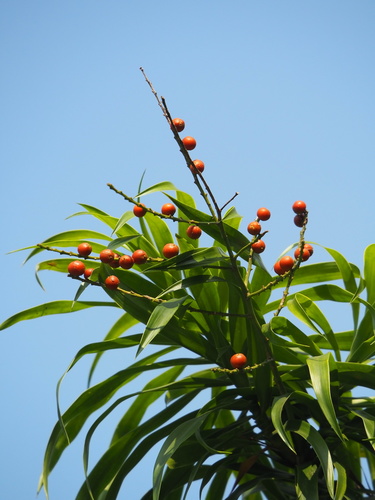
Dracaena angustifolia (Medik.) Roxb.
Dracaena angustifolia (Medik.) Roxb.
Dracaena angustifolia is a shrub native to South Asia to northern Australia, who…
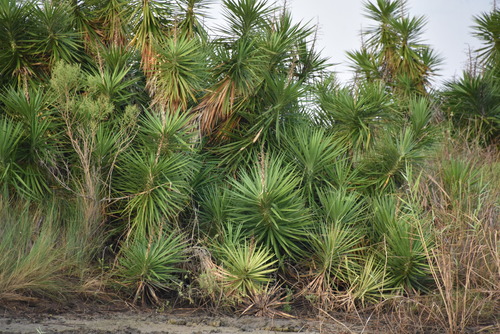
Yucca aloifolia L.
Yucca aloifolia L.
Yucca aloifolia L. is a spiky-leaved yucca native to southeastern US coasts, gro…
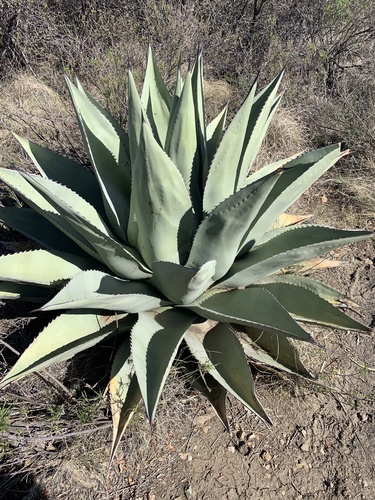
Agave havardiana Trel.
Agave havardiana Trel.
Agave havardiana is a threatened acaulescent agave native to parts of Texas and …
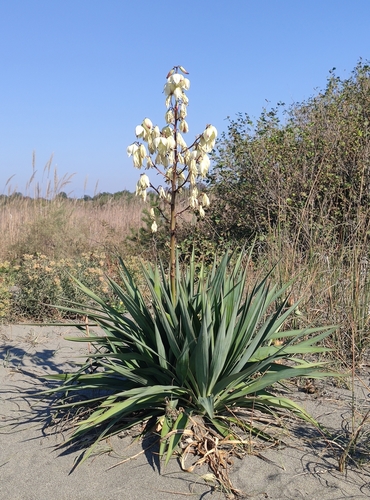
Yucca gloriosa var. tristis Carrière
Yucca gloriosa var. tristis Carrière
This is a profile for Yucca gloriosa, including its description, habitat, distri…
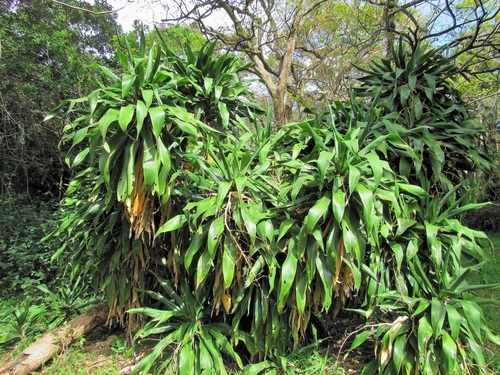
Dracaena aletriformis (Haw.) Bos
Dracaena aletriformis (Haw.) Bos
Dracaena aletriformis is an African woody plant with large dark green leaves, sc…
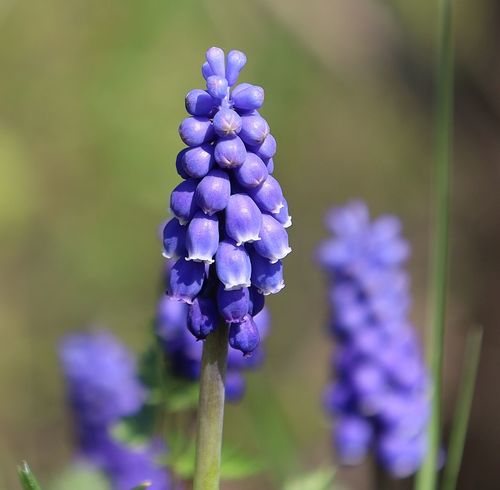
Muscari armeniacum H.J.Veitch
Muscari armeniacum H.J.Veitch
Muscari armeniacum, the Armenian grape hyacinth, is a widely cultivated bulbous …
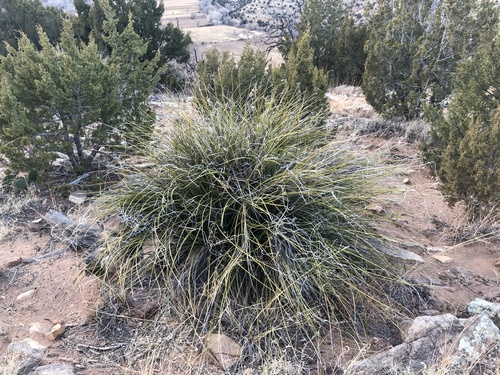
Nolina greenei S.Watson ex Wooton & Standl.
Nolina greenei S.Watson ex Wooton & Standl.
Nolina greenei (woodland beargrass) is a US-native perennial rosette plant found…
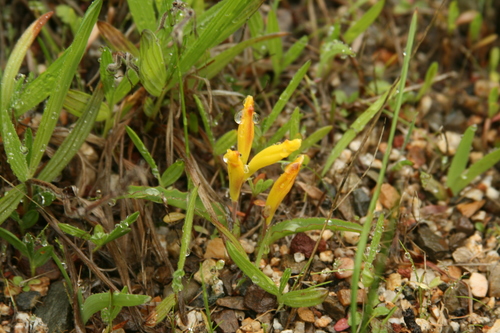
Lachenalia reflexa Thunb.
Lachenalia reflexa Thunb.
Yellow soldier (Lachenalia reflexa) is a rare declining endemic bulb native to l…
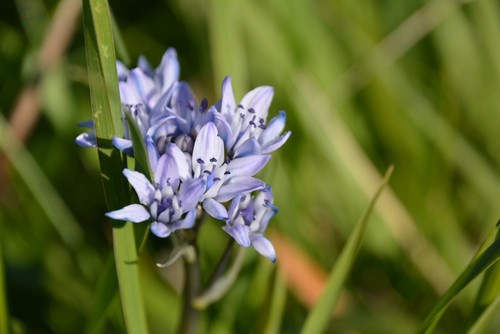
Scilla verna Huds.
Scilla verna Huds.
Scilla verna Huds. is a small perennial bulbous flowering plant native to coasta…
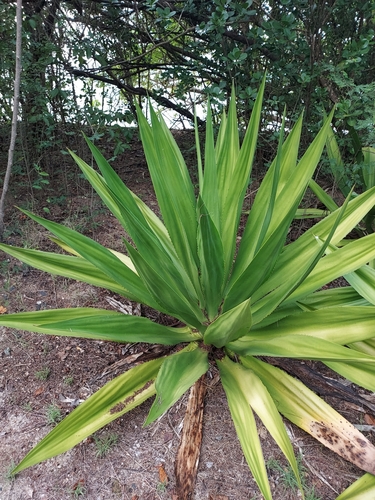
Furcraea tuberosa (Mill.) W.T.Aiton
Furcraea tuberosa (Mill.) W.T.Aiton
Furcraea tuberosa is a large succulent perennial Caribbean plant harvested for f…
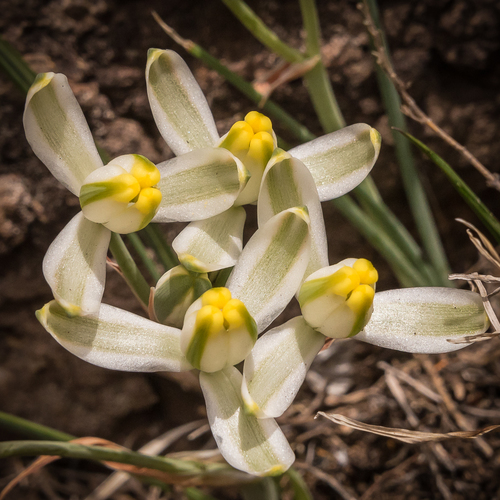
Albuca setosa Jacq.
Albuca setosa Jacq.
Albuca setosa Jacq. is a bulbous plant with distinct leaves and yellow or white …
Frequently Asked Questions
How do you identify Asparagaceae?
Asparagaceae plants belong to the Asparagales order in the Plantae kingdom. Browse the 598 species gallery above for visual identification references. For instant identification, use the iNature app — AI-powered and works offline.
What are the key characteristics of Asparagaceae?
Asparagaceae is classified in the order Asparagales, class Liliopsida, phylum Tracheophyta. The family contains 598 accepted species worldwide.
⚠️ Are any Asparagaceae species poisonous?
Yes, some Asparagaceae species are toxic or poisonous. Always exercise caution with unknown specimens. View poisonous Asparagaceae species or browse the full poisonous species guide.
Sources: GBIF, iNaturalist, Wikipedia · Disclaimer
Start Exploring Nature Today
Download iNature for free. 10 identifications on us. No account needed. No credit card required.
Download Free on App Store
